A Guide on what to See in Granada’s Albaicin.
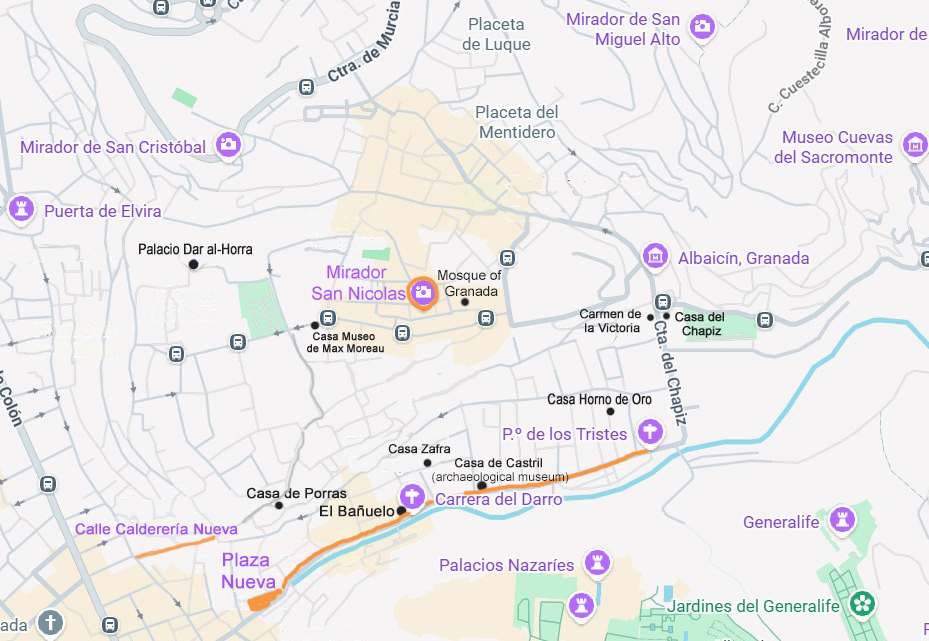
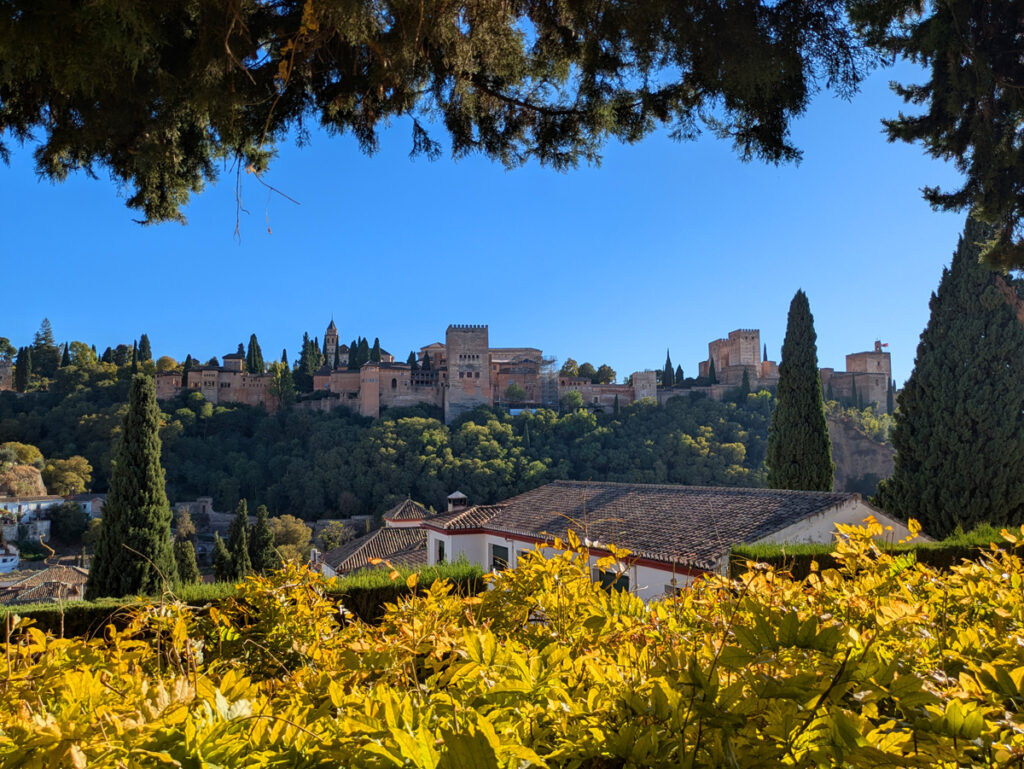
The Albaicin was Granada’s old Moorish quarter. It is a UNESCO World Heritage site with lots to see: the area of full of palaces, squares, gardens as well as lots of great viewpoints looking across towards the Alhambra (the Albaicin is built on a hillside, so there are lots of scenic spots). You could spend days exploring the area.
This post covers the very best of the Albaicin, highlights that the Albaicin is famous for. But I also cover some little-known attractions that most visitors don’t know about. Finally, I give you lots of tips – we’ve lived in Granada close to 2 years so we have a few insights*.
*At the top of the list: on Saturdays, 6 of the places I cover below are FREE.
What to See in the Albaicin: The Most Popular highlights
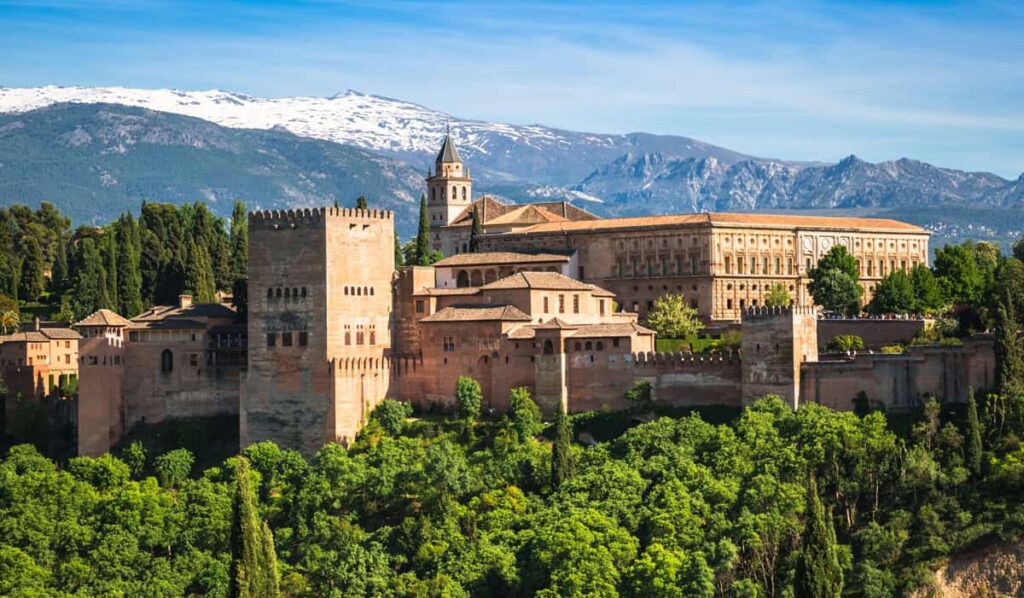
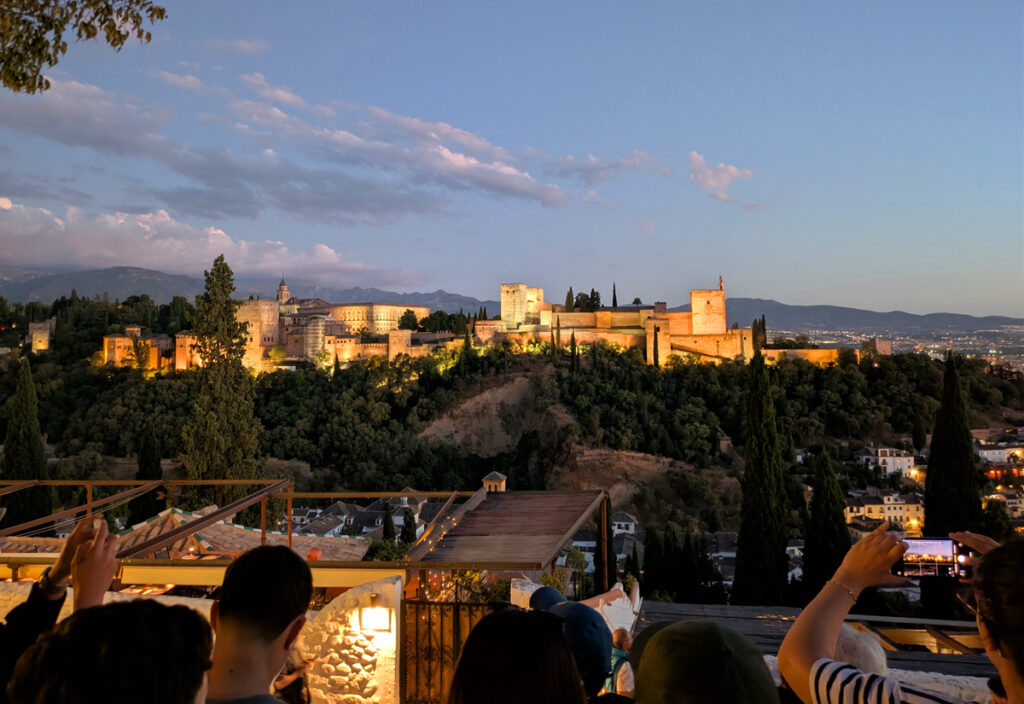
Mirador San Nicolas
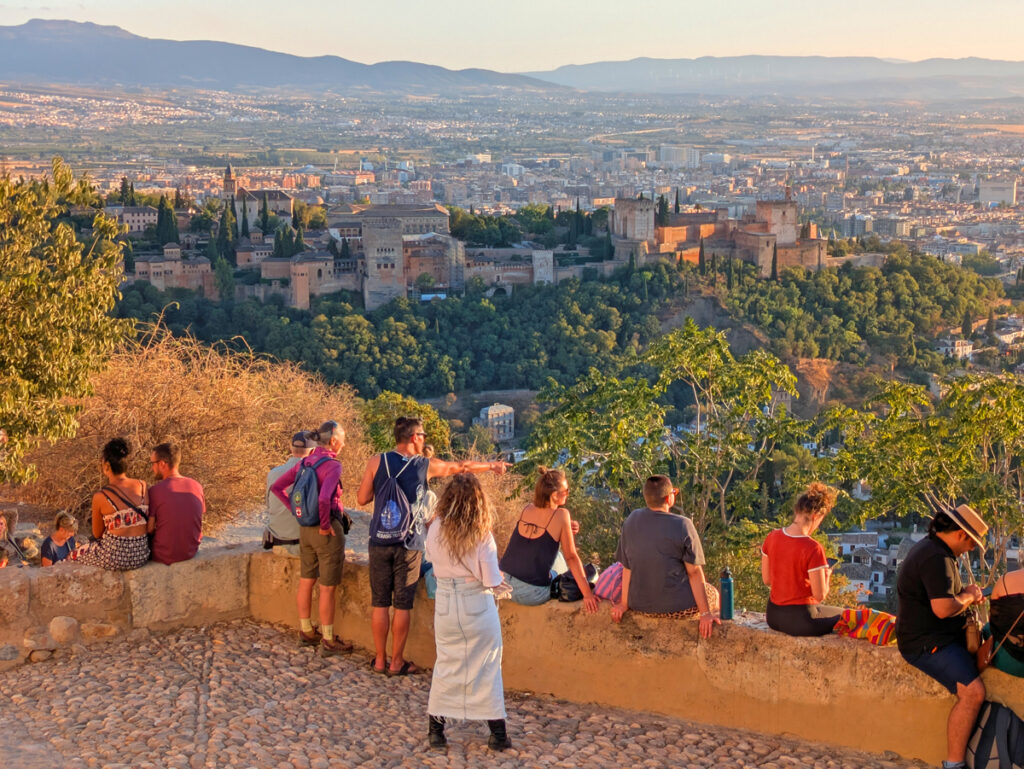
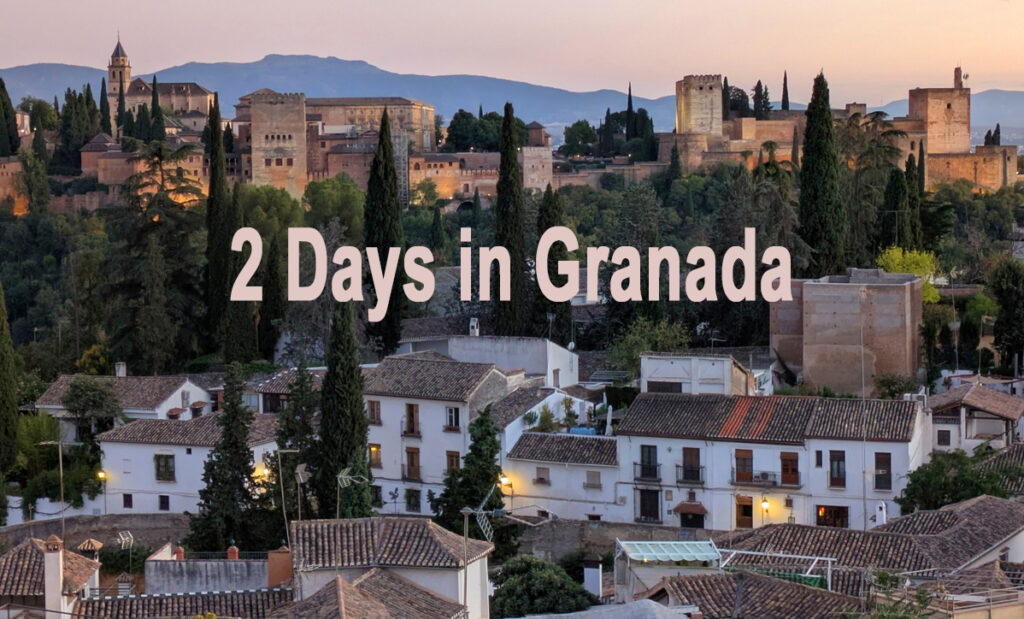
It is the most famous viewpoint in Granada. From here, you look right across at the Alhambra with the peaks of the Sierra Nevada as a backdrop (particularly stunning in the winter when there’s snow on the peaks). It is breathtaking.
A couple of tips: 1) In the morning, the sun tends to be right in your eyes if looking towards the Alhambra. Better to visit in the afternoon and evening. Sunset is when the mirador gets really crowded with tourists. 2) when the Mirador San Nicolas gets really busy, go to the Mosque of Granada which is about a 2-minute walk. The views there are almost the same and there are much fewer people (more on the Mosque of Granada further below).
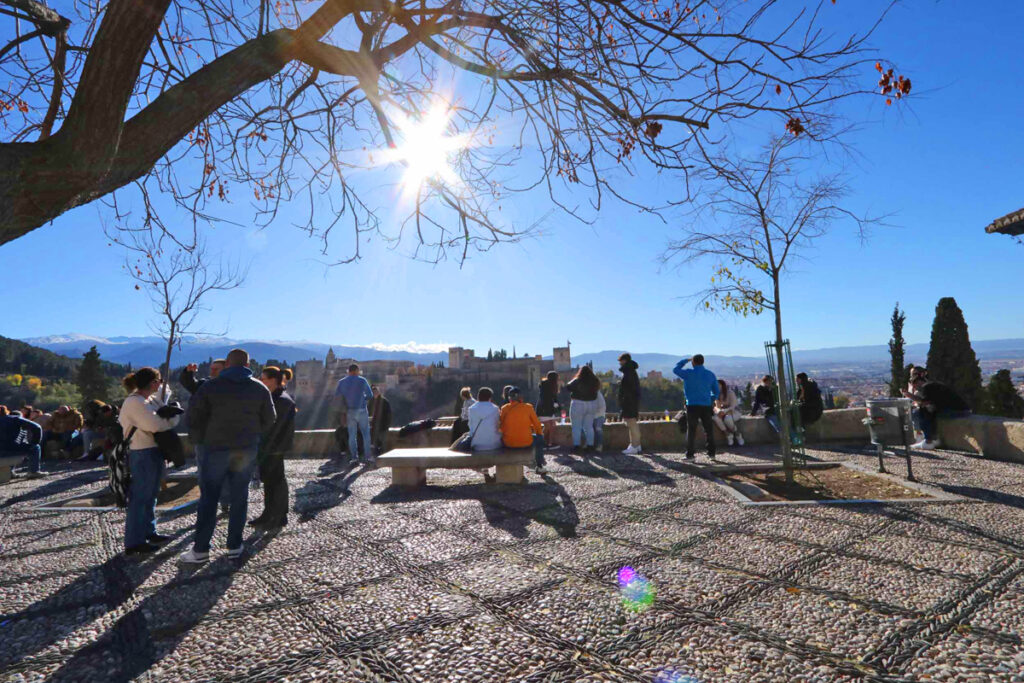
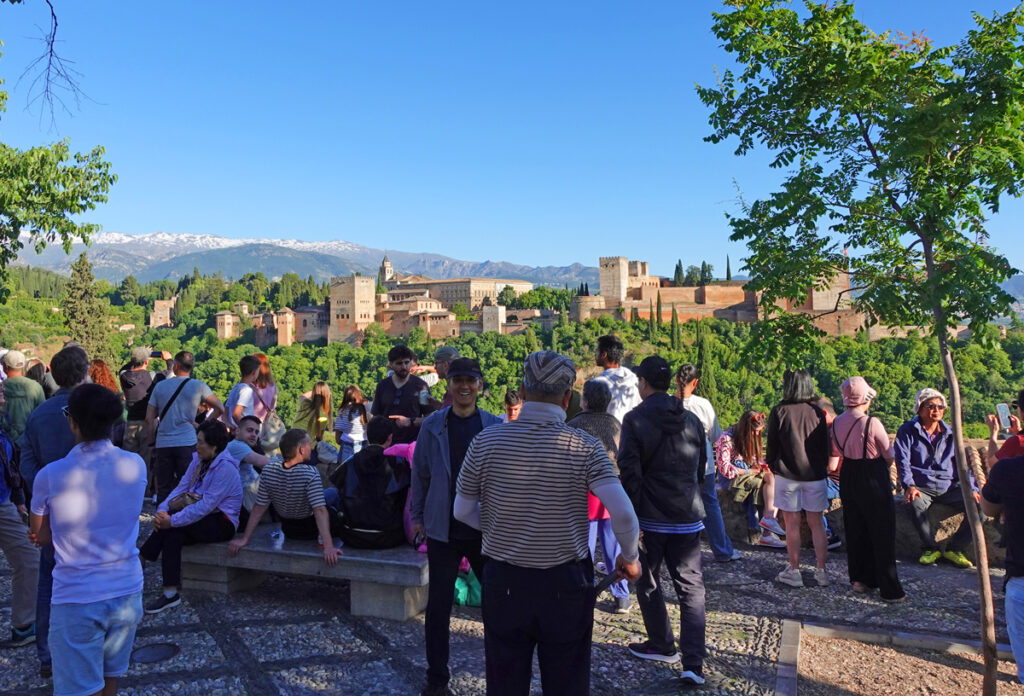
Getting to the Mirador San Nicolas. Walk: If you walk, be ready for a 15-minute uphill climb from Plaza Nueva or Calle Calle Calderería Nueva. The most common route is up Cuesta de San Gregorio, the starting point being the Convento de San Gregorio Bético (right at the end of Calle Calderería Nueva). It’ll take you up the heart of the Albaicin, seeing many of the whitewashed buildings, little alleys and Moorish architecture that the neighbourhood is known for. Bus: If you don’t want to walk, take 30 or 31 bus (small red buses) at the bus stop at Plaza Nueva. It costs 1.60 Euro and can be paid in cash.
Plaza Nueva/ Real Chancillería de Granada
For most people, Plaza Nueva will be their introduction to the Albaicin neighbourhood due to its location about 10 minutes from Granada Cathedral. Plaza Nueva is actually at the crossroads between the heart of the Albaicin (which climbs up the hillside behind the Plaza) and the Alhambra (across from Plaza Nueva, you’ll find Cuesta de Gomérez, a street that takes you up through the Alhambra Forest to the Alhambra).
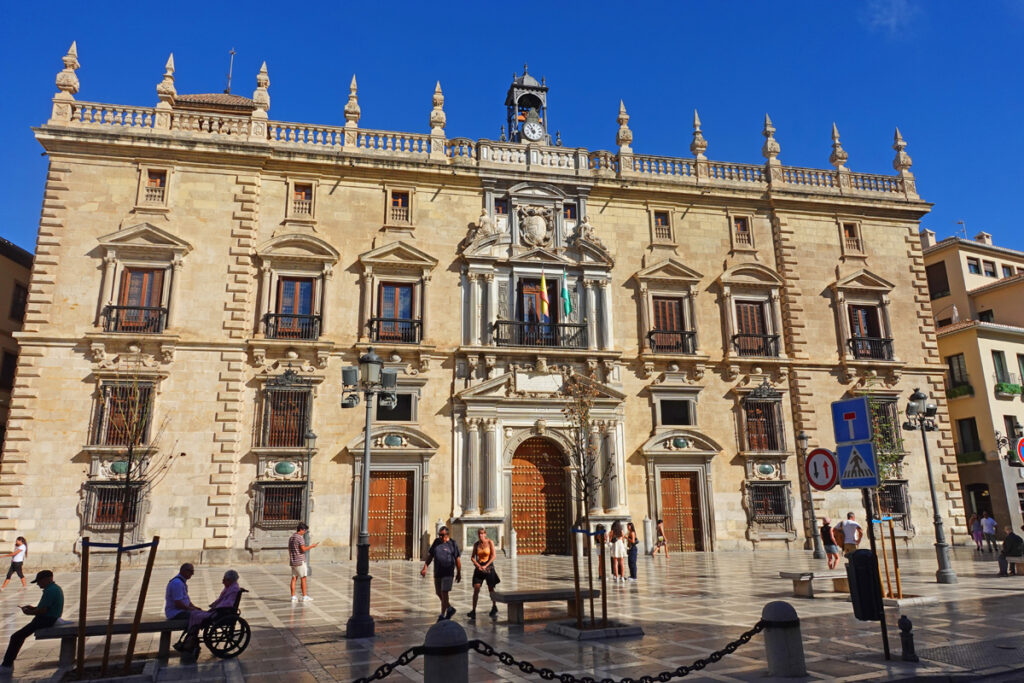
The square was built starting in 1506 and was named “Plaza Nueva” (New Square) because it was the first major square established by the Christians after conquering Granada from the Moors. It became the heart of the new Christian city, hosting markets, tournaments, bullfights, and executions, centered around the grand Royal Chancellery and Iglesia de San Gil y Santa Ana.
Highlights of Plaza Nueva: the Real Chancillería de Granada, a beautiful building (completed in 1587) that used to be the seat of government. It now houses the Superior Court of Justice of Andalusia. Iglesia de San Gil y Santa Ana: One of Granada’s prettiest churches, built in 1501 on the site of a previous mosque. Free to visit and worth it. In front of the church is a fountain called the Pilar del Toro (Bull’s Pillar): built in the 1500’s by the great architect Diego de Siloé (who built Granada Cathedral and the Monasterio de San Jerónimo).
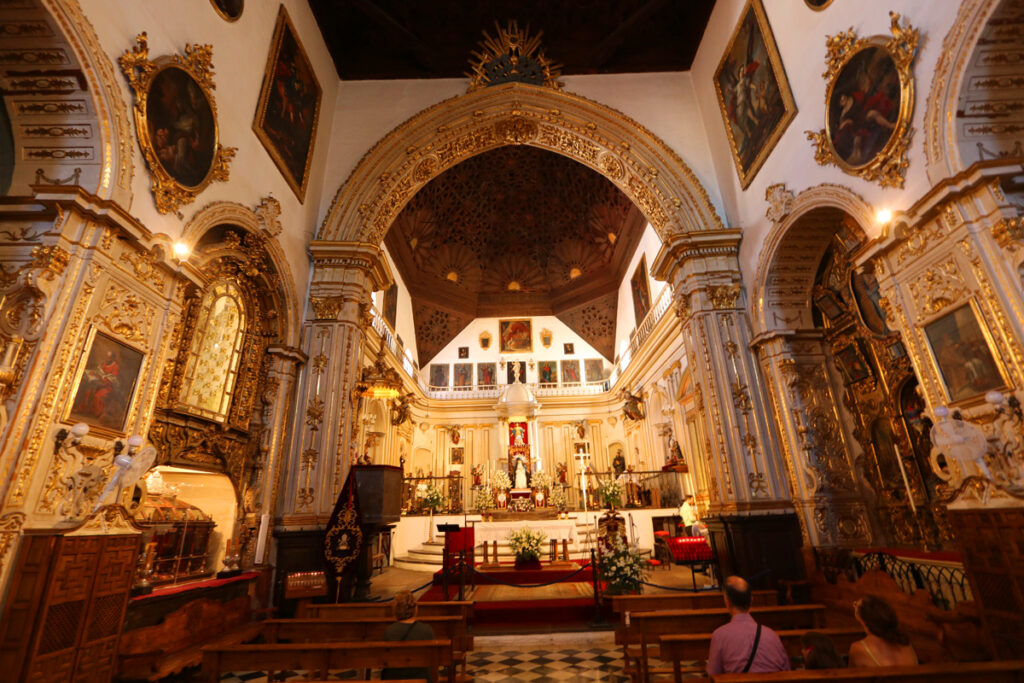
Plaza Nueva is the starting point for the walk along the Darro river along Carrera del Darro (below).
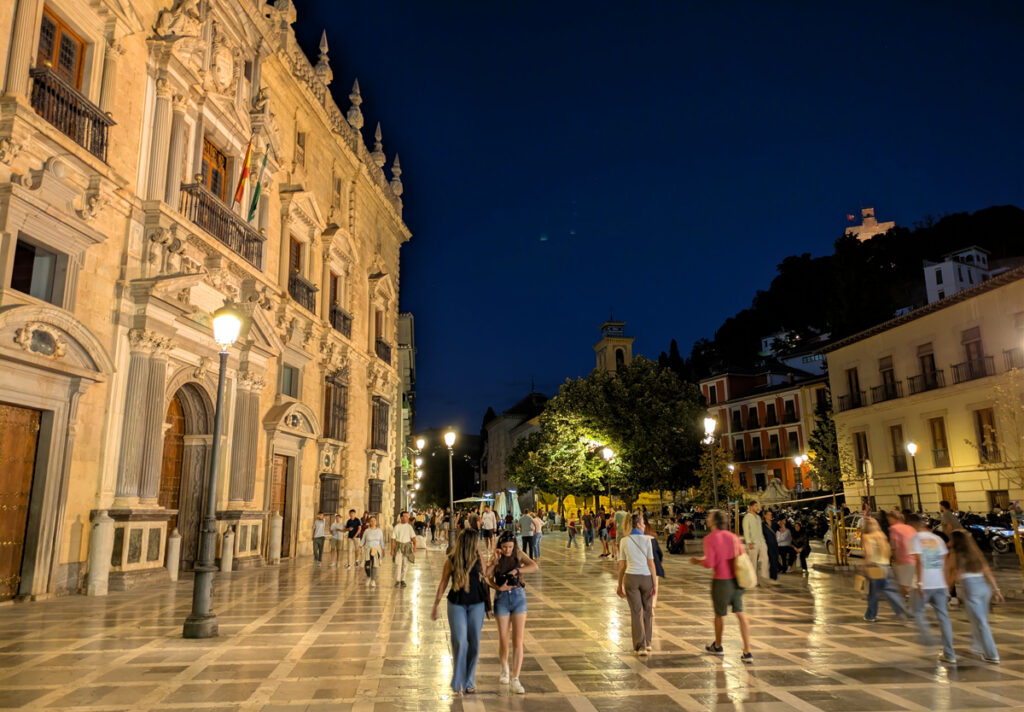
Carrera del Darro/ Paseo de los Tristes
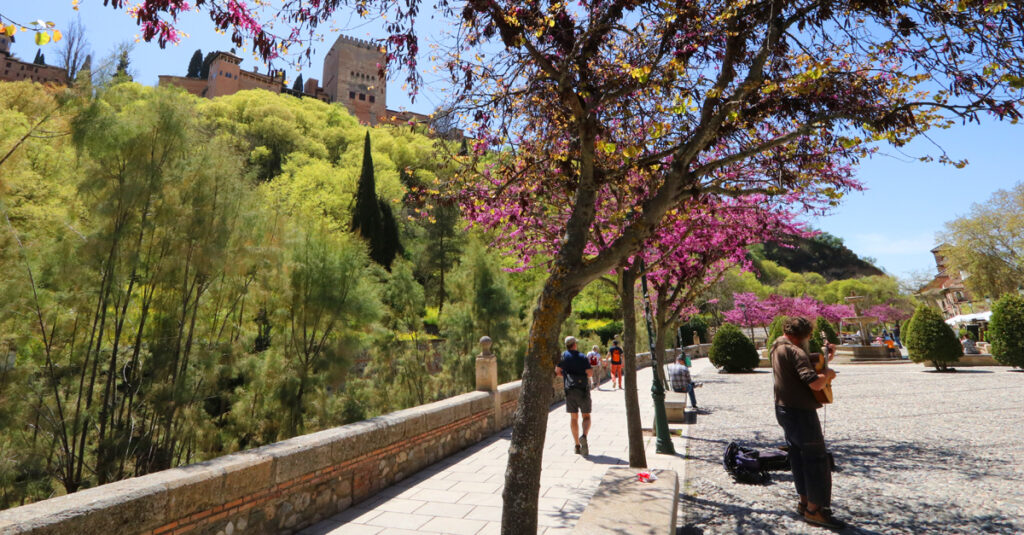
Many call Carrera del Darro Granada’s most beautiful promenades. One of the most charming aspects of the street are the stone bridges over the river. In many cases they cross over to pretty squares where you can stop for a drink and a tapa.
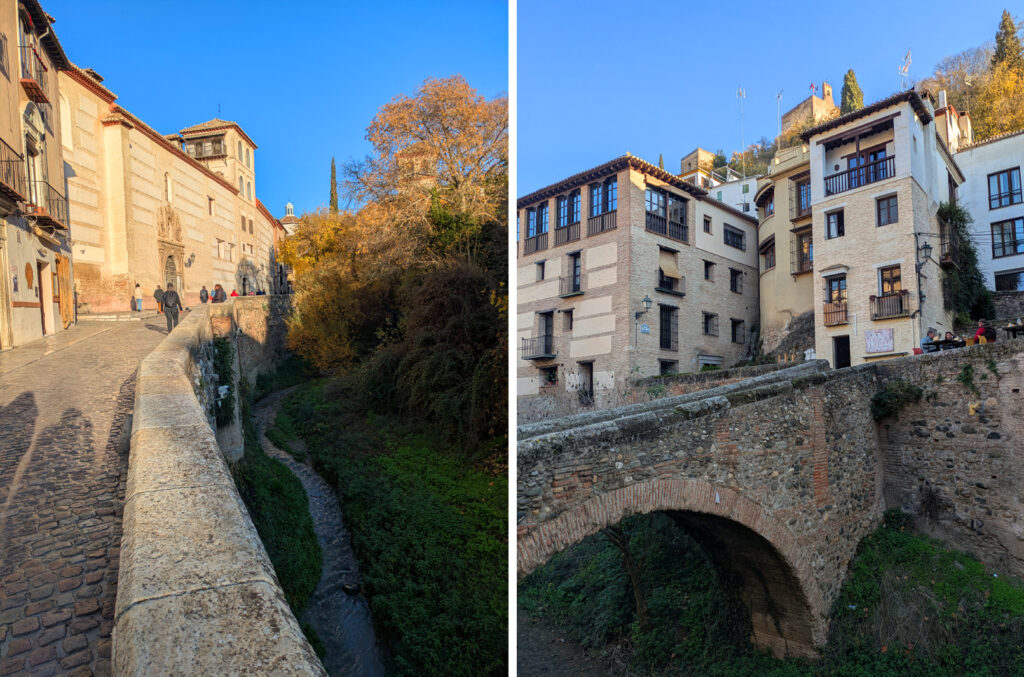
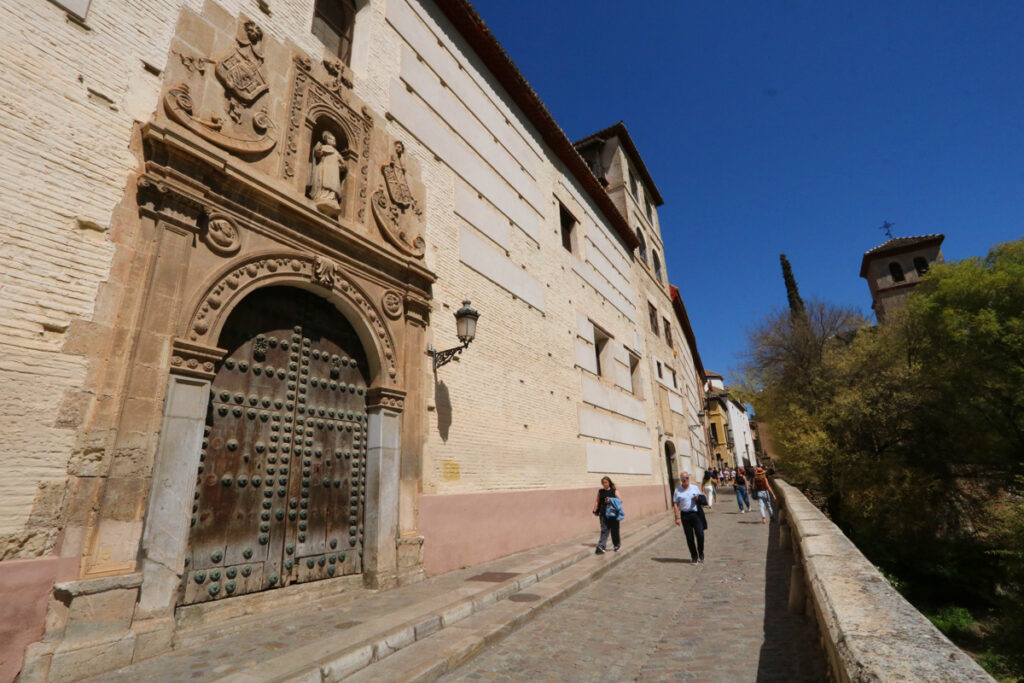
Also along this stretch are a series of historic buildings, some dating back to the Moorish period. A couple are highlights that I will cover further below: El Bañuelo (one of the best-preserved Arab baths in Spain) and Casa de Castril, a former palace now housing the city’s archaeological museum). You also have Catholic highlights including the Church of San Pedro and San Pablo. But it is more than the highlights themselves: above the river looms the Alhambra and you can see some of its towers. Between the bridges, old buildings and the Alhambra, you’ll feel like you’ve stepped back in time walking down the street.
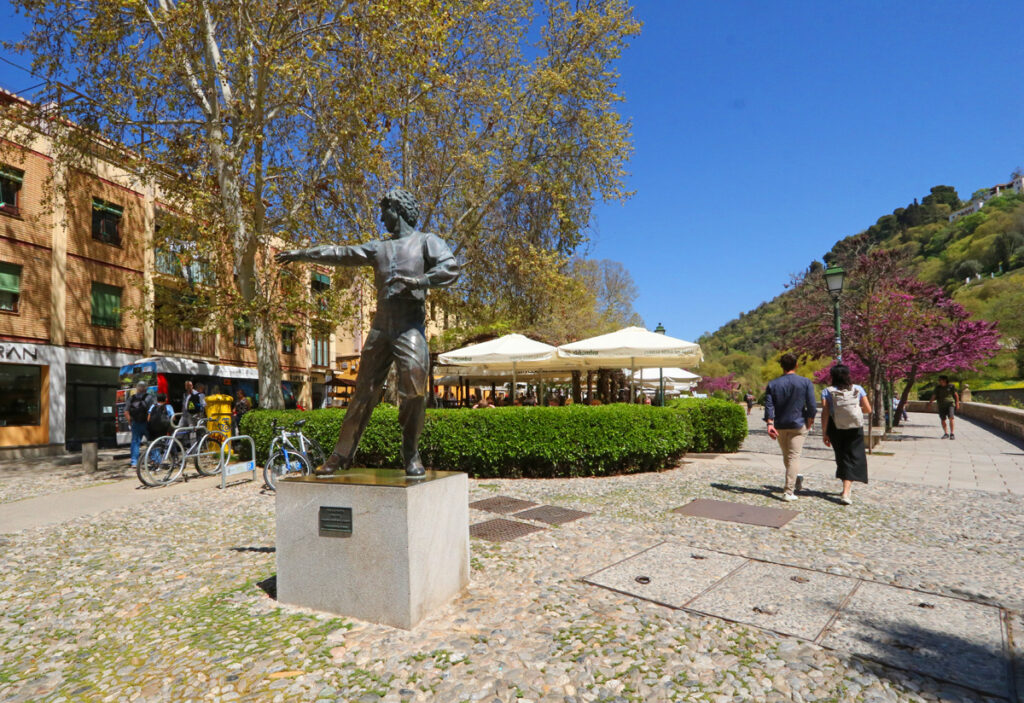
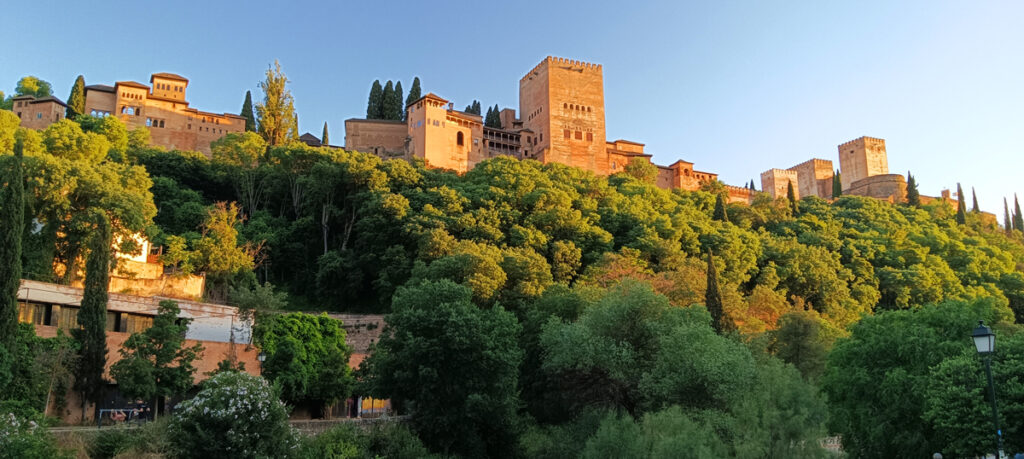
The Carrera del Darro opens up to a park-like area called the Paseo de los Tristes. Here you’ll see statues, fountains, restaurants and incredible views of the Alhambra above.
Tip: there’s a glorious walk up to the Alhambra from here. At the end of the Paseo de los Tristes is a bridge called Puente del Aljibillo. Cross it, it will led to a small alley called Cuesta del Rey Chico. Following it you’ll end up at the Alhambra. You can return by the trail that takes you to Plaza Nueva (I did a post on that, doing the walk in reverse, in this post).
Calle Calderería Nueva
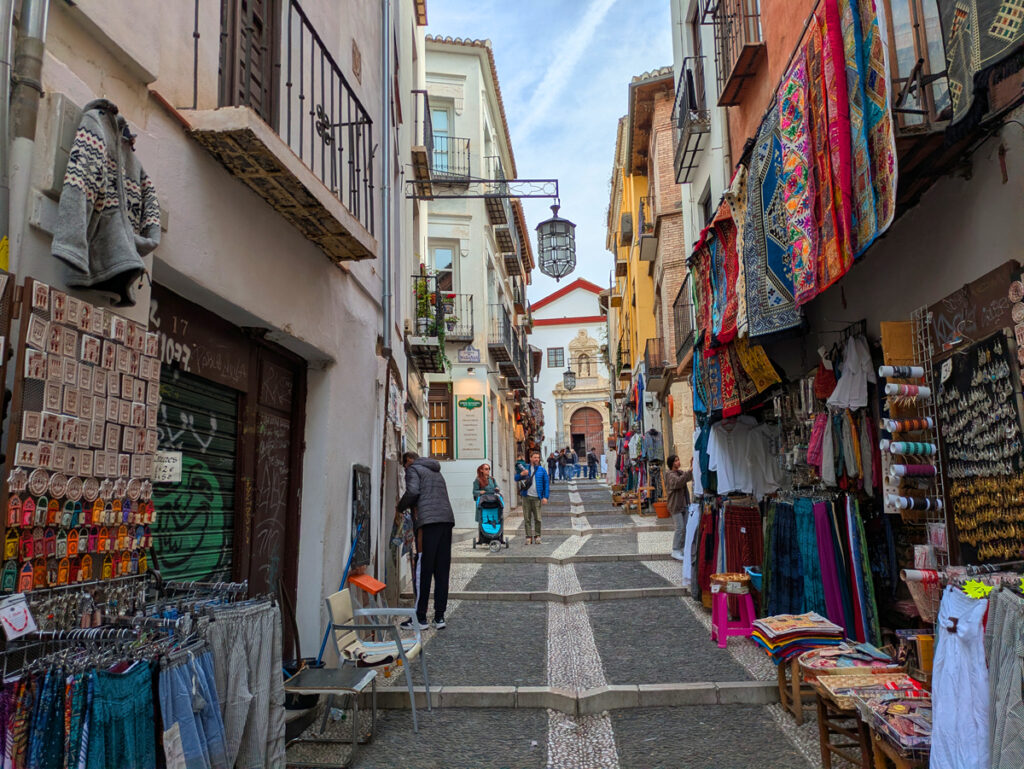
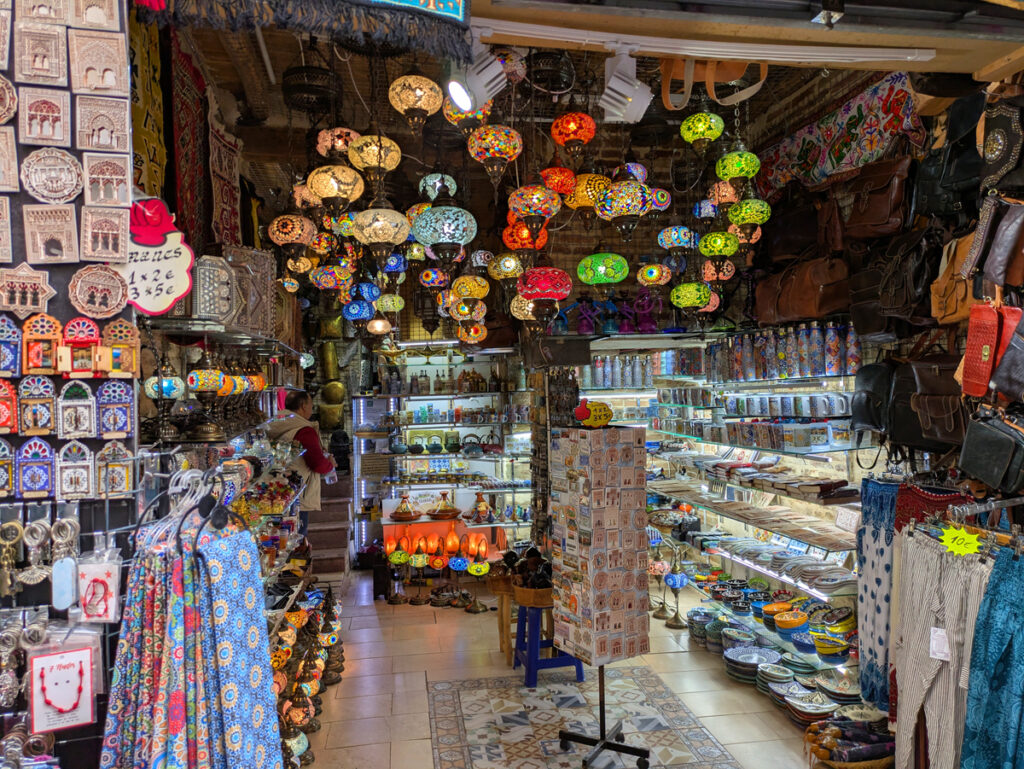
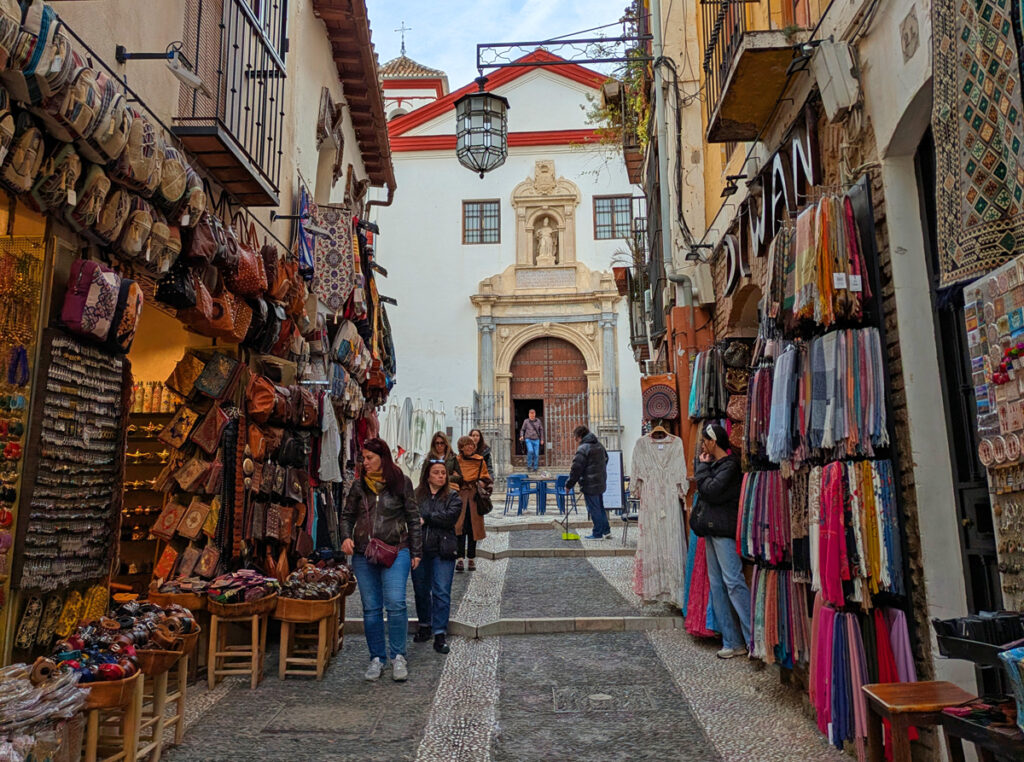
This pedestrian Street at the base of the Albaicin is known as “Little Morocco”. The stores, tea houses and restaurants lining the street remind one of Arab souks with its colours and artisan decorations. It’s definitely touristy but it has a unique character that you won’t find anywhere else in Granada.
Calle Calderería Nueva is the starting point for the most popular route into the Albaicin: Cuesta de San Gregorio.
What to See in the Albaicin: Top Highlights
The places I’ve mentioned above are the most popular areas to explore in the Albaicin. Below I dig deeper into the attractions worth futher exploration.
The Mosque of Granada
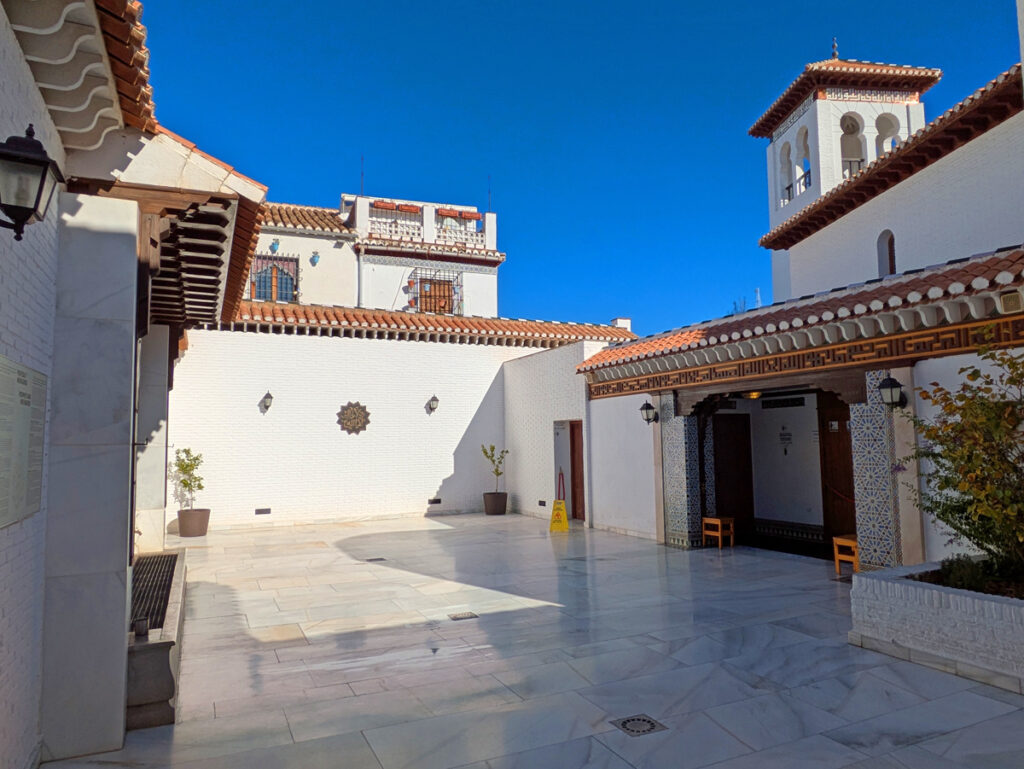
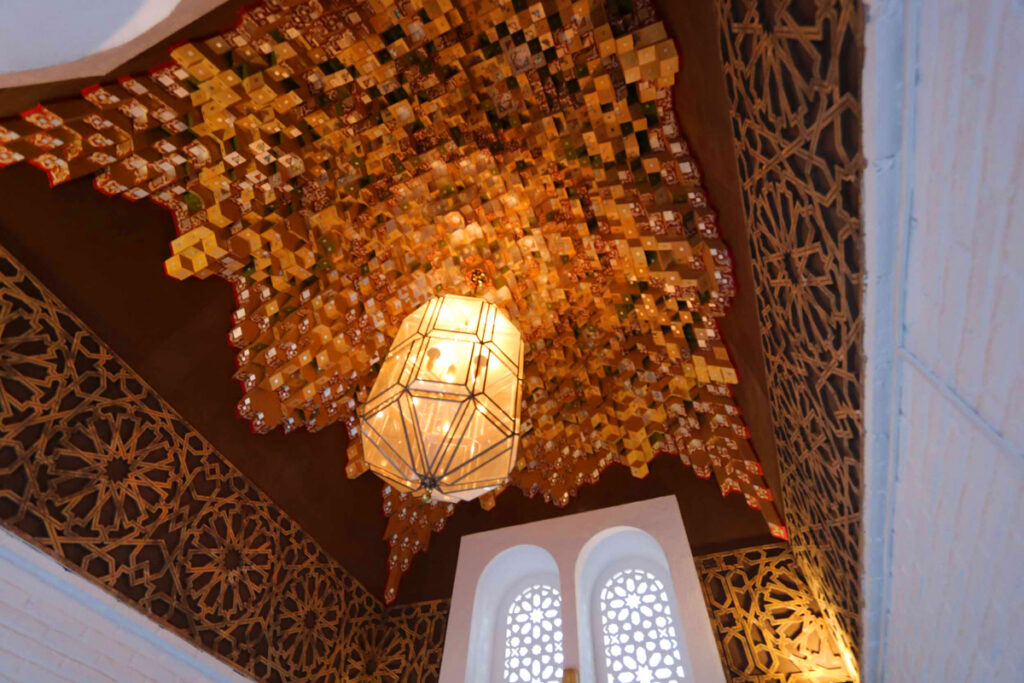
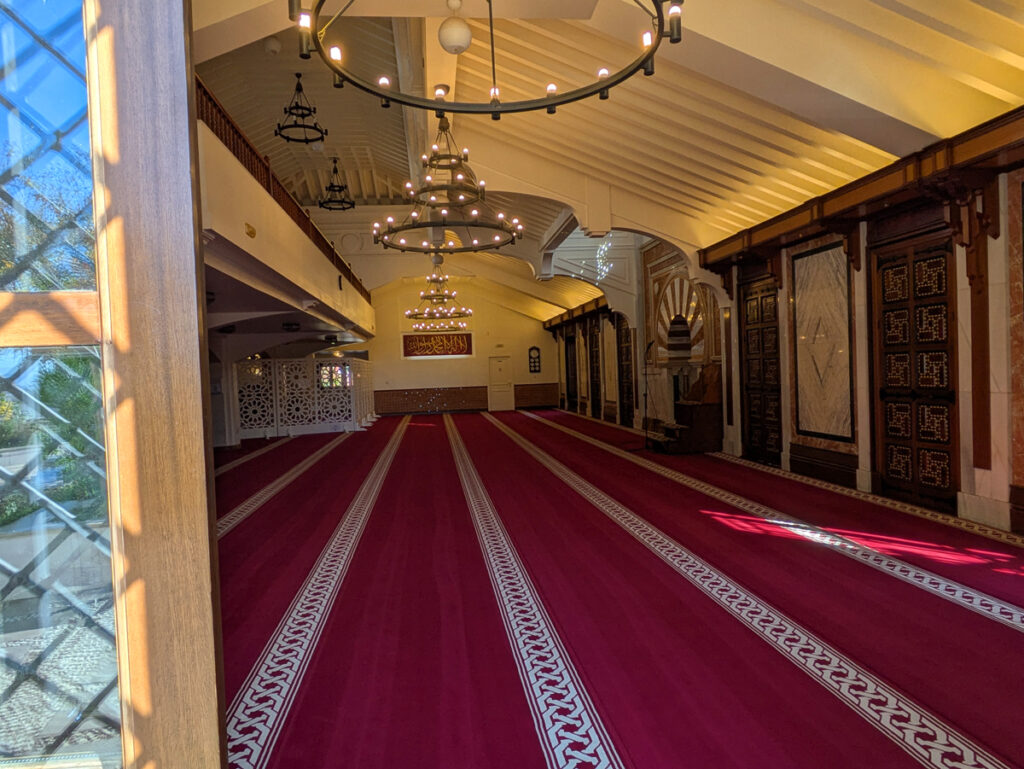
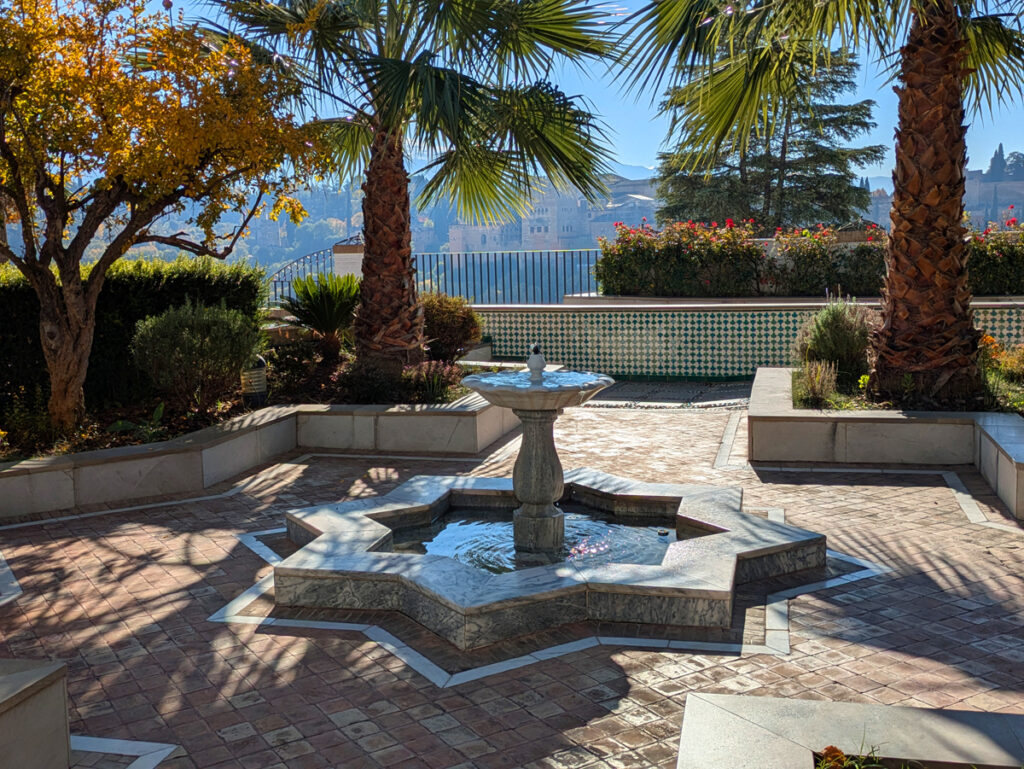
I mentioned the mosque above – it is steps from the San Nicolas lookout and has the same spectacular views of the Alhambra and the Sierra Nevada. The mosque itself is new, it was completed in 2003 and is the first mosque built in Granada since the capture of the city by the Christians in 1492.
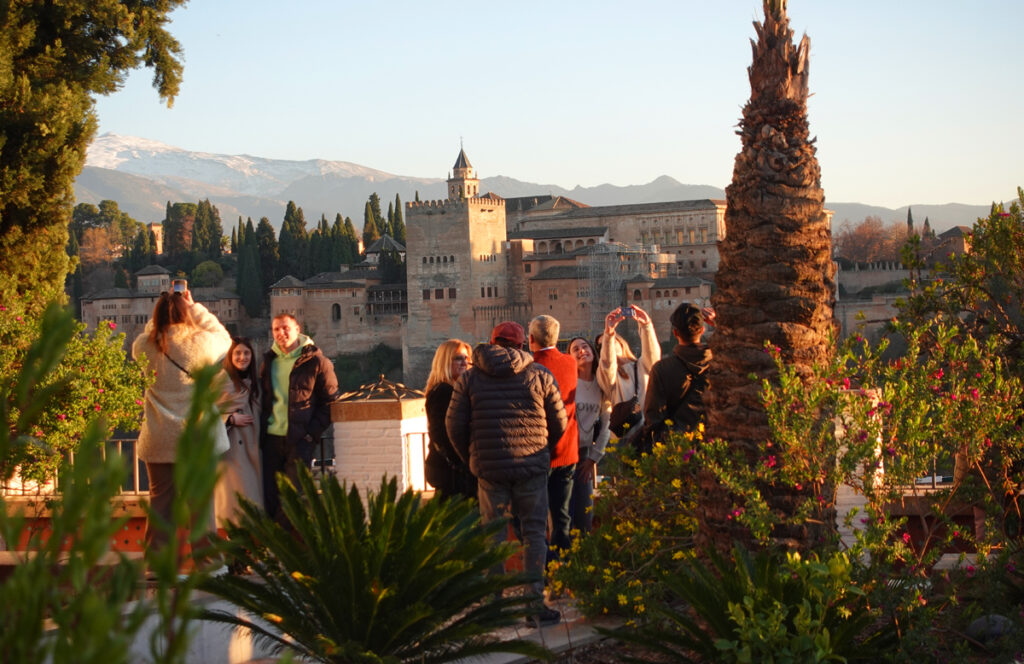
Besides the wonderful views, the mosque has some impressive architecture and some beautiful fountains.
El Bañuelo
One of the best-preserved Arab baths in Spain, these baths date back to the 11th century. El Bañuelo is a National Monument and was designated as an Asset of Cultural Interest.
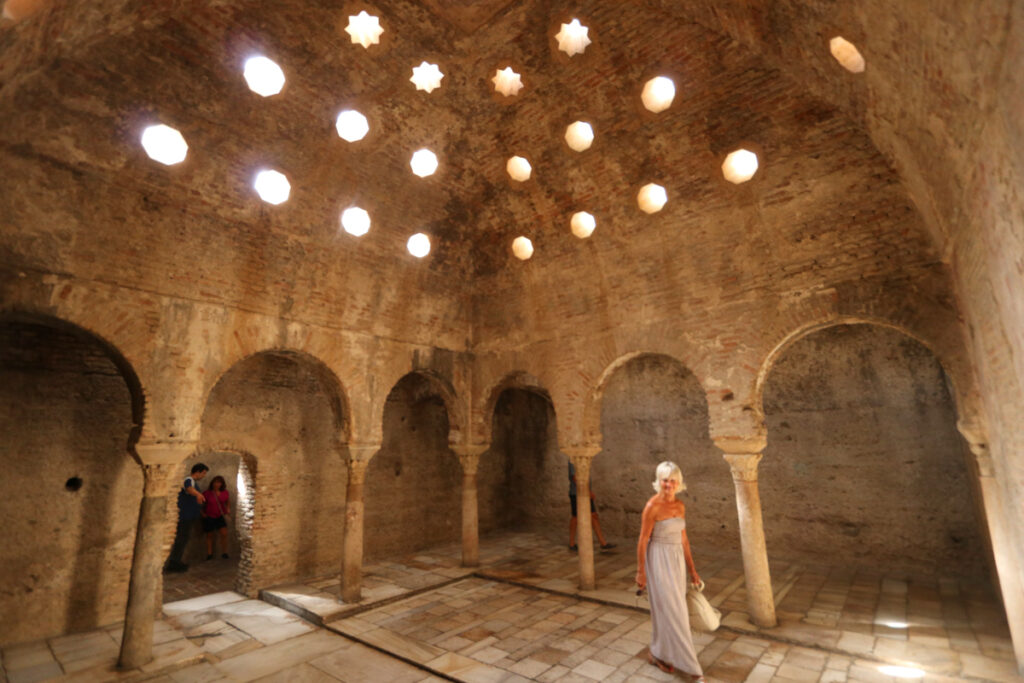
The baths were used as places of hygiene but also a meeting spot for Muslim men. They were an important aspect of Islamic culture.
The baths are divided into 4 rooms, all featuring skylights which allowed for light and ventilation.
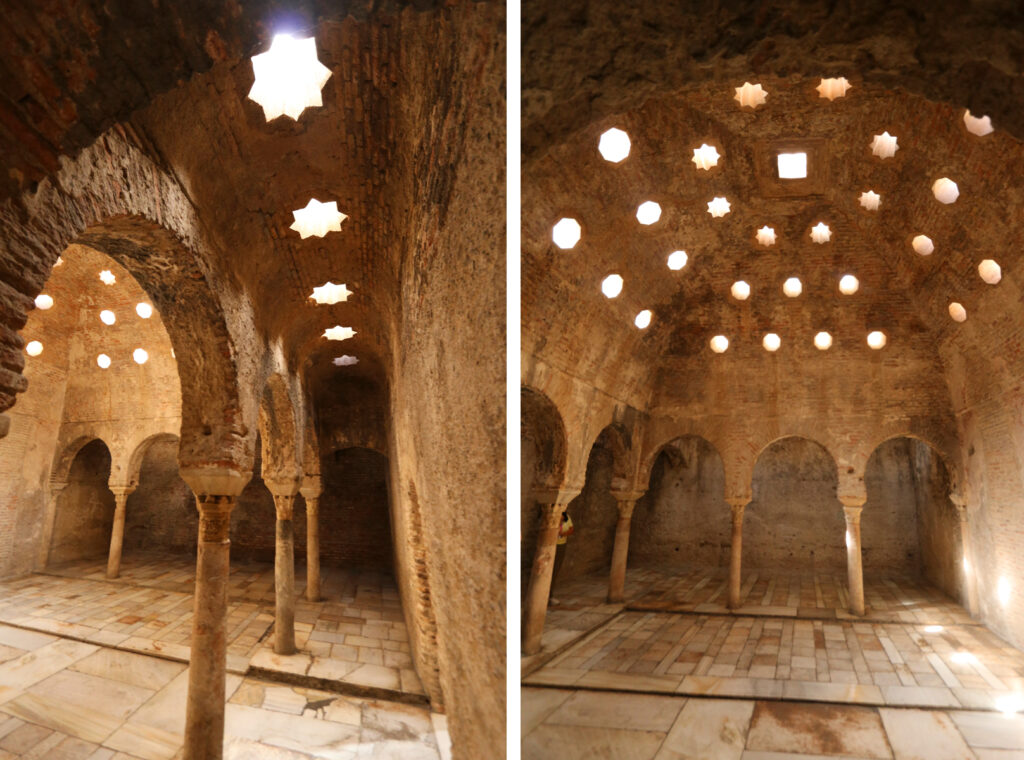
Best time to visit: Speaking to the staff, we were told that the ideal time to visit is 12 noon because of the way the light enters into the baths.
How to visit: El Bañuelo is included as part of 2 package ticket deals. 1) Andalusian Monuments (€ 8.48 / person): includes Dar al-Horra Palace, Corral del Carbón, Horno de Oro and El Bañuelo. 2) the Dobla de Oro package (€ 30.48) which includes the Alhambra, Dar al-Horra Palace, Corral del Carbón, Horno de Oro, Casa Zafra, Casa del Chapiz, Qubba del Cuarto Real de Santo Domingo and El Bañuelo.
See for FREE: Saturdays are free for all of the Dobla de Oro package sites, so El Bañuelo, Dar al-Horra Palace, Corral del Carbón, Horno de Oro, Casa Zafra, Casa del Chapiz, Qubba del Cuarto Real de Santo Domingo are all free on this day. I highly recommend you take advantage of that.
Palacio Dar al-Horra
Of all the Moorish-era palaces/houses (excluding the Alhambra), Palacio Dar al-Horra is the most impressive in my opinion. This palace was built as the residence of the last Nasrid king of Granada. It has 2 floors which include Islamic inscriptions and architecture. Part of what makes it impressive is its location along the old walls of the fortified quarter, its views looking out towards the San Cristobal church on a hill across from the palace.

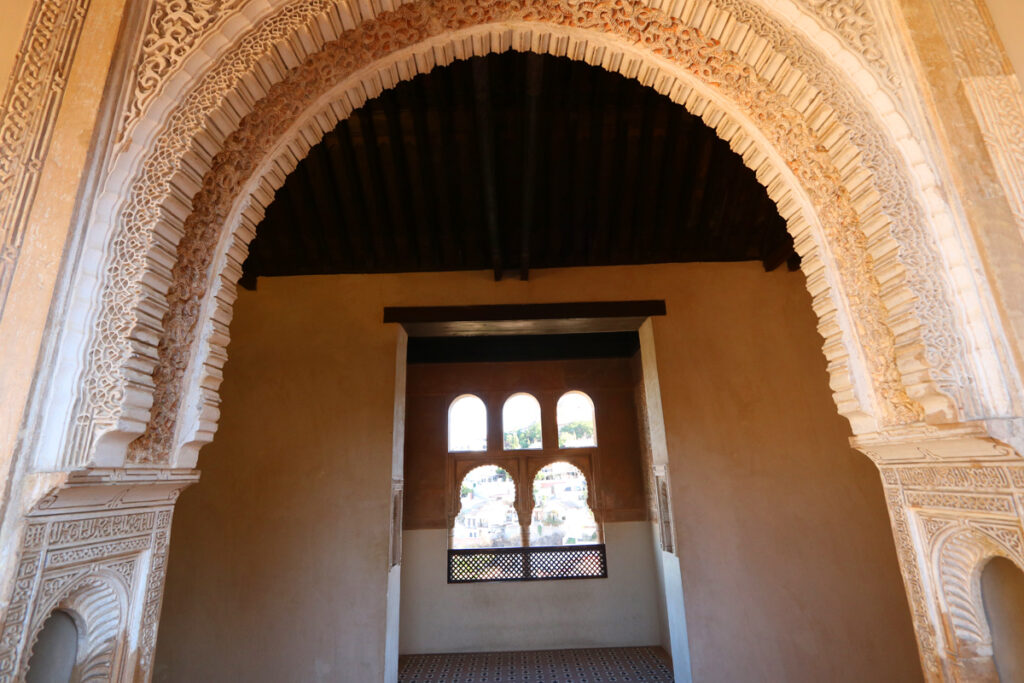
How to Visit: Like El Bañuelo, Palacio Dar al-Horra is included as part of a combination of tickets: 1) Andalusian Monuments, 2) Dobla de Oro. See details above in the El Bañuelo section.
See for FREE: Saturdays.
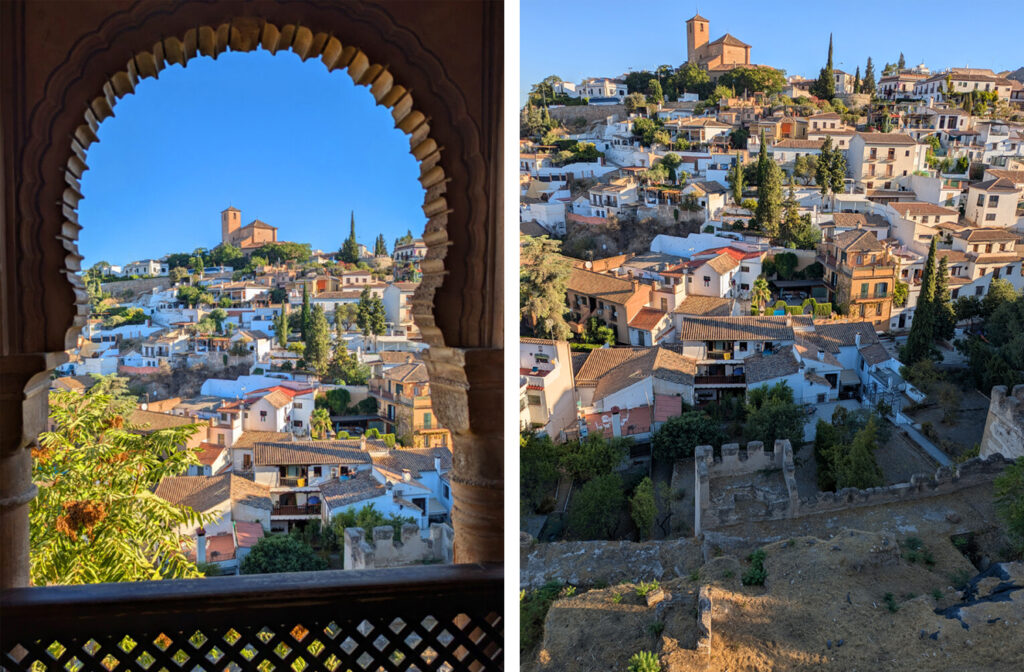
Casa del Chapiz
Built in the 1500’s, this “casa” is actually composed of 2 buildings constructed in Mudejar style. But what make Casa del Chapiz remarkable are the beautiful gardens and the views towards the Alhambra. A beautiful, peaceful place.
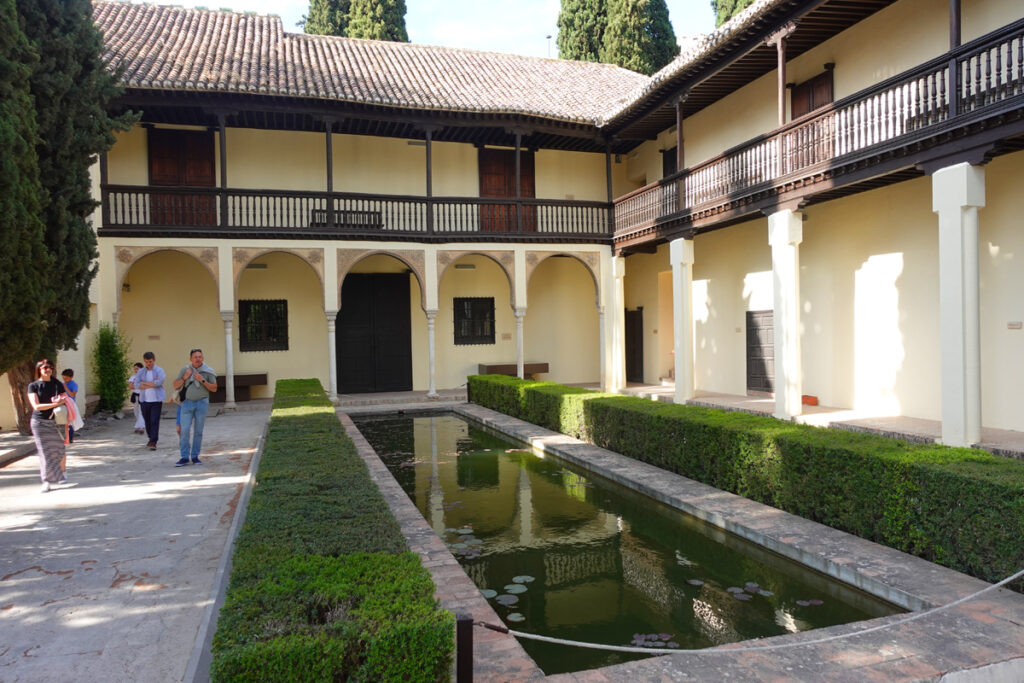
How to Visit: You can visit and pay by cash (2 Euros in 2025). Casa del Chapiz is also included in the Dobla de Oro package (which includes the Alhambra, Dar al-Horra Palace, Corral del Carbón, Horno de Oro, Casa Zafra, Casa del Chapiz, Qubba del Cuarto Real de Santo Domingo and El Bañuelo
See for FREE: Saturdays.
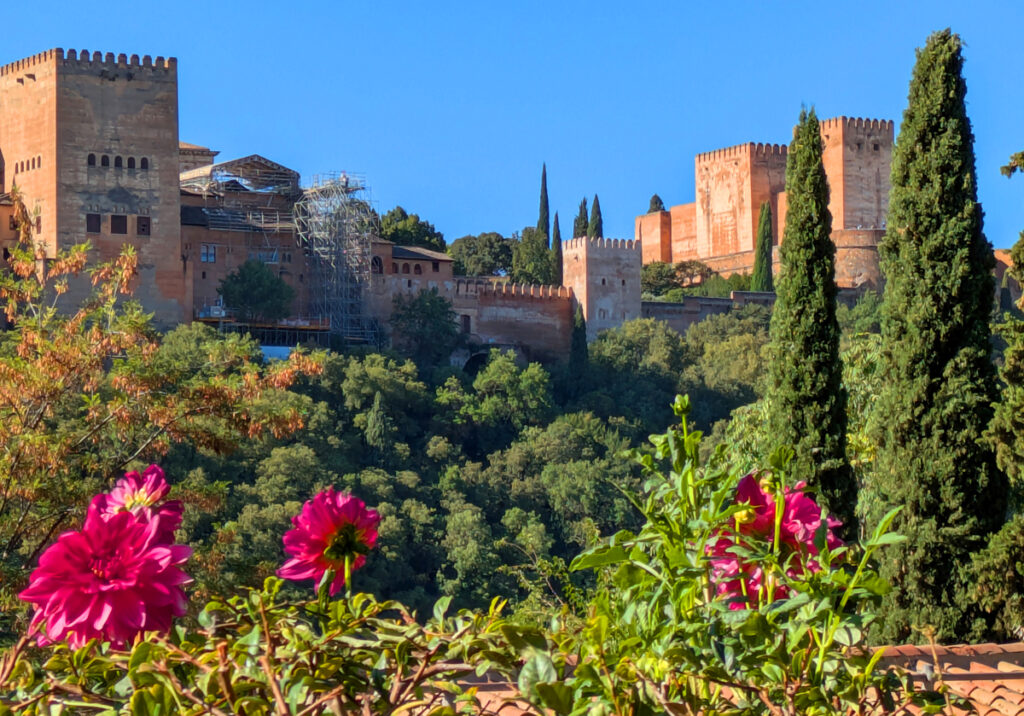
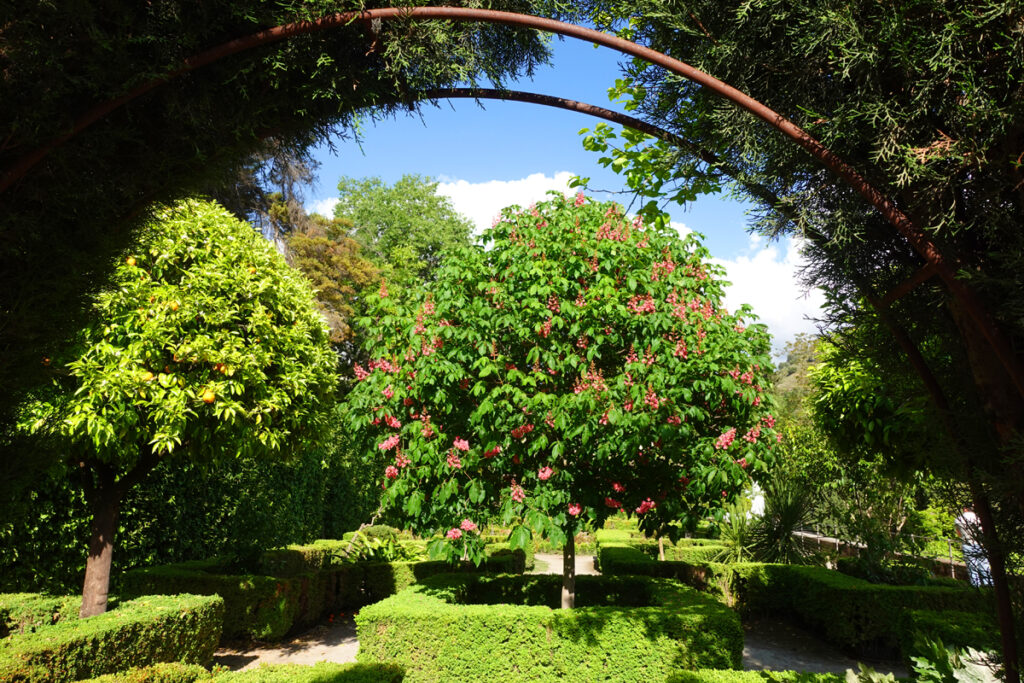
Carmen de la Victoria
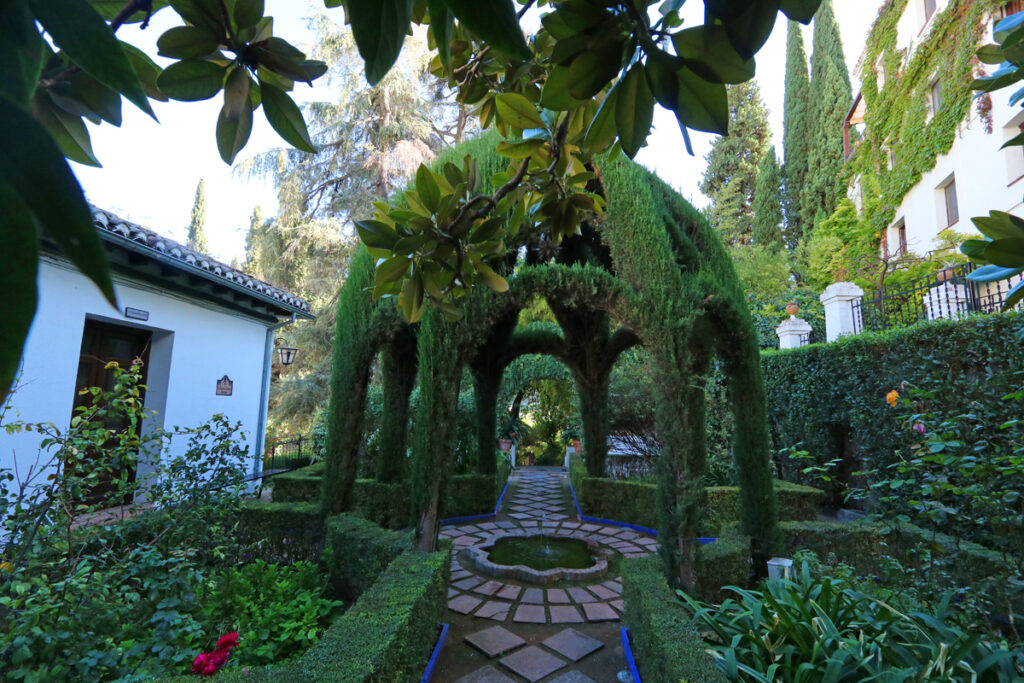
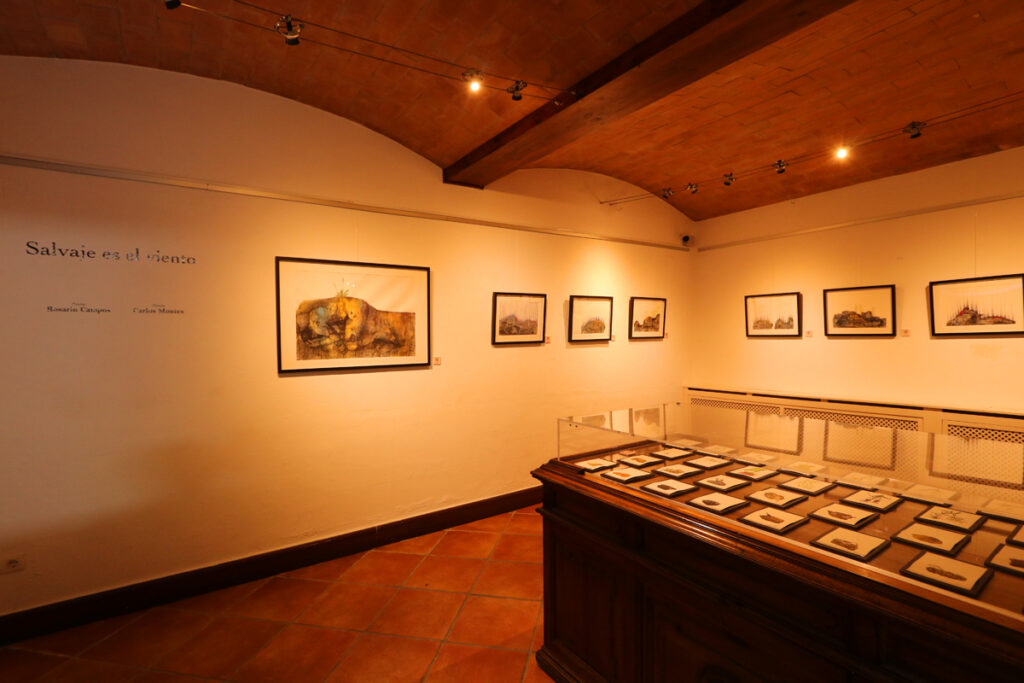
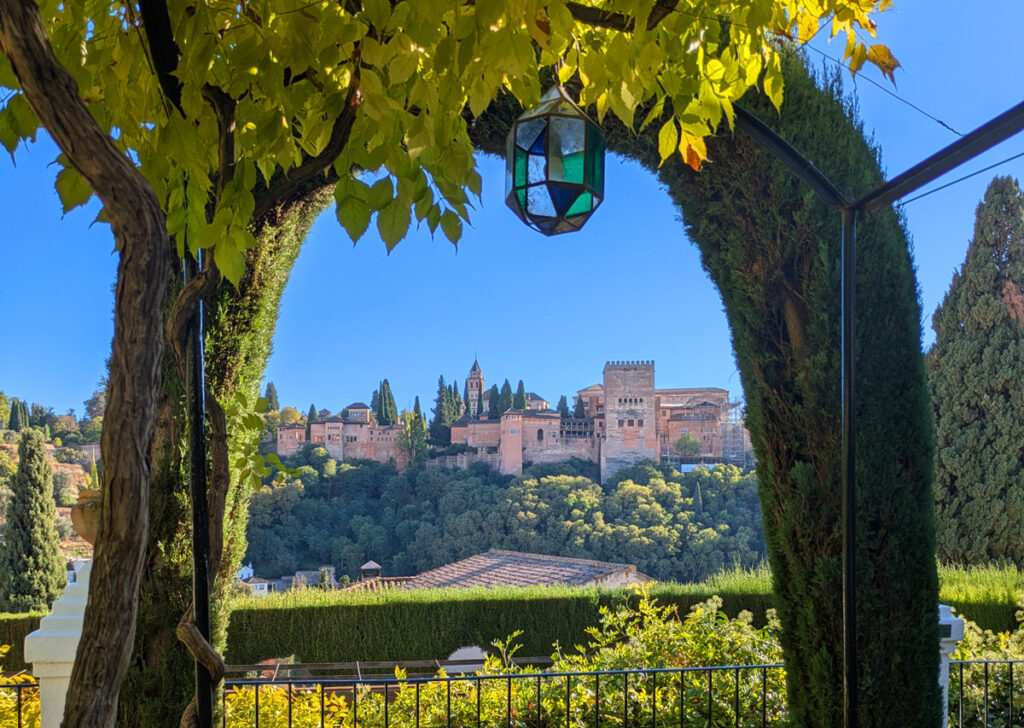
Just across from Casa del Chapiz is the Carmen de la Victoria, a 19th century estate with a huge garden (with more great views looking across towards the Alhambra). The garden displays art work and there’s an art gallery in the upstairs of the building. A lush, green spot – it’s hard to believe you’re in the heart of the Albaicin.
How to Visit: it is free, but you have to reserve your visit online here.

More Miradors
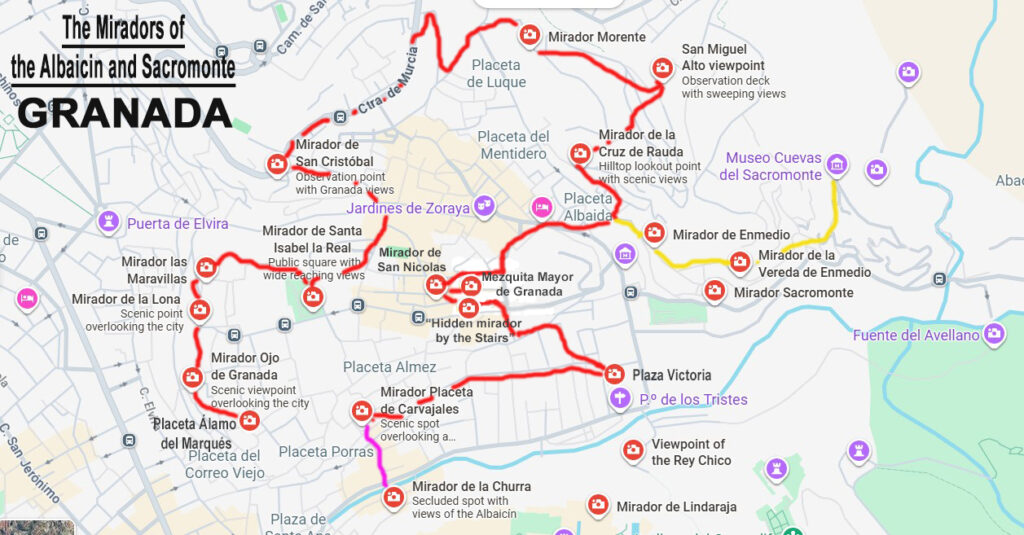
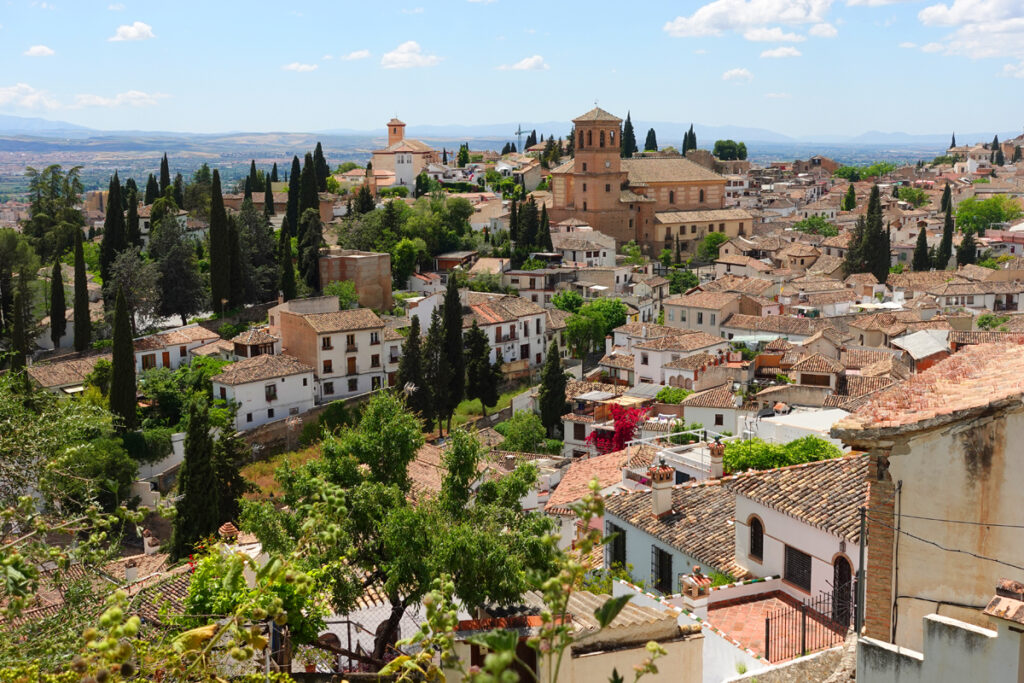
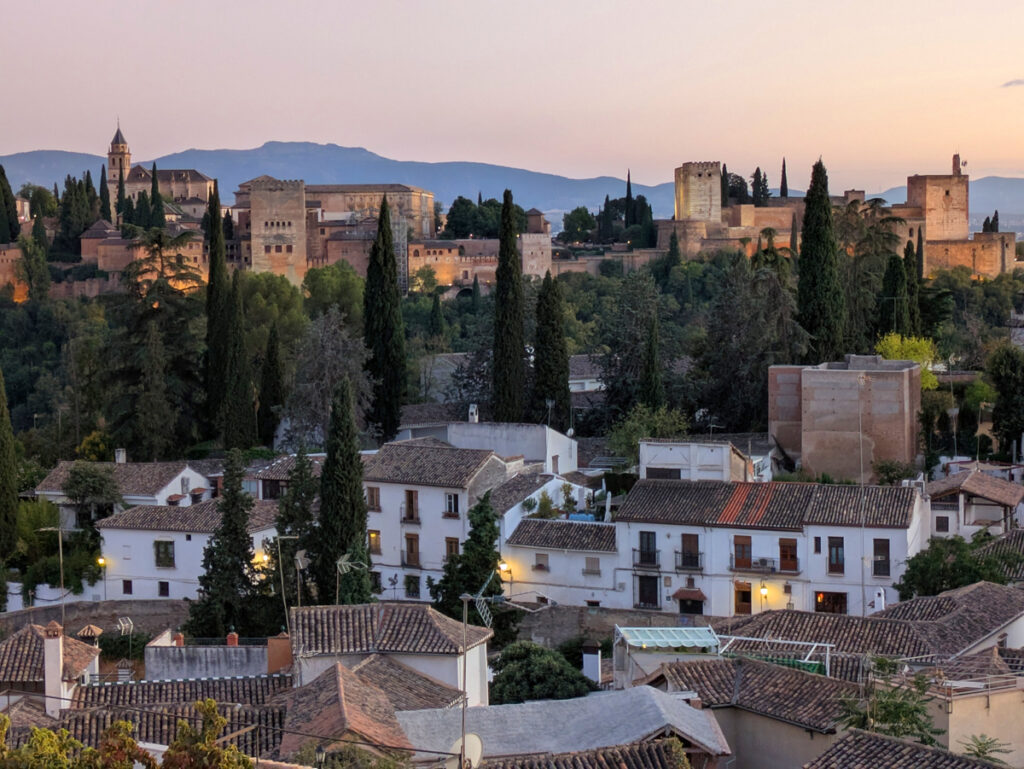
The Albaicin has lots of great viewpoints (miradors). I did a post on them here. I’ve already covered the Mirador San Nicolas and the mirador at the Mosque of Granada. Others that I would prioritize: Mirador Cruz de la Rauda, Mirador de la Churra and the various miradors along Verada de Enmedio. But if you have time, do all the miradors using the map and descriptions I’ve included in the post. It’s a great way of discovering the Albaicin.
What to See in the Albaicin: Hidden gems
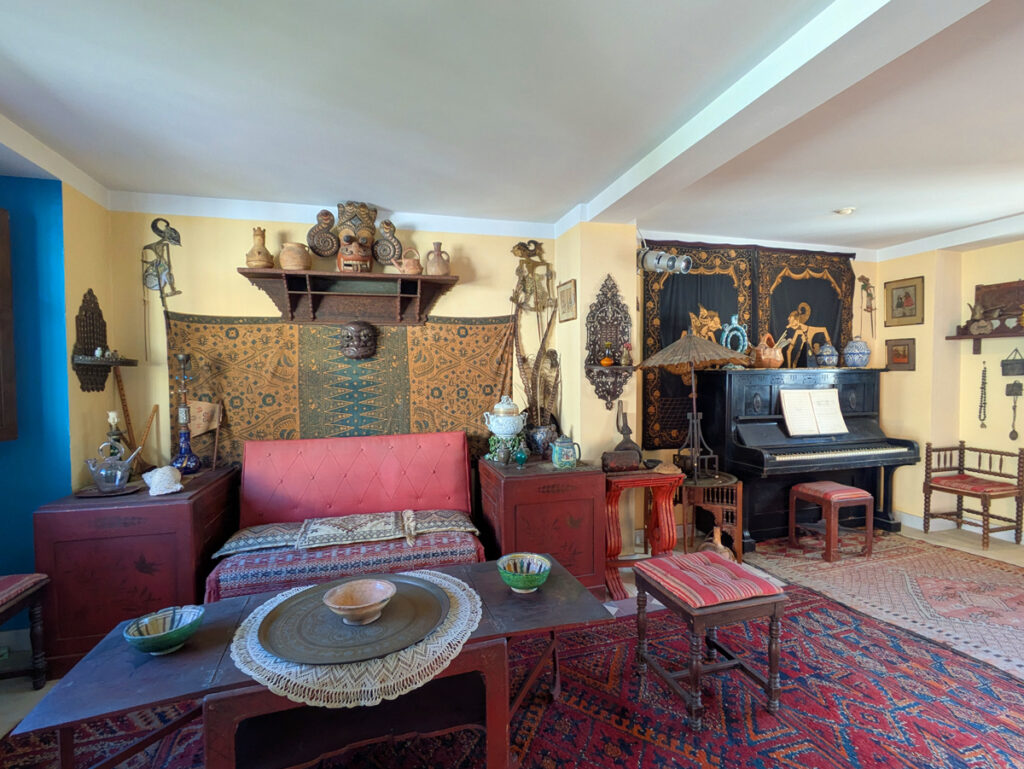
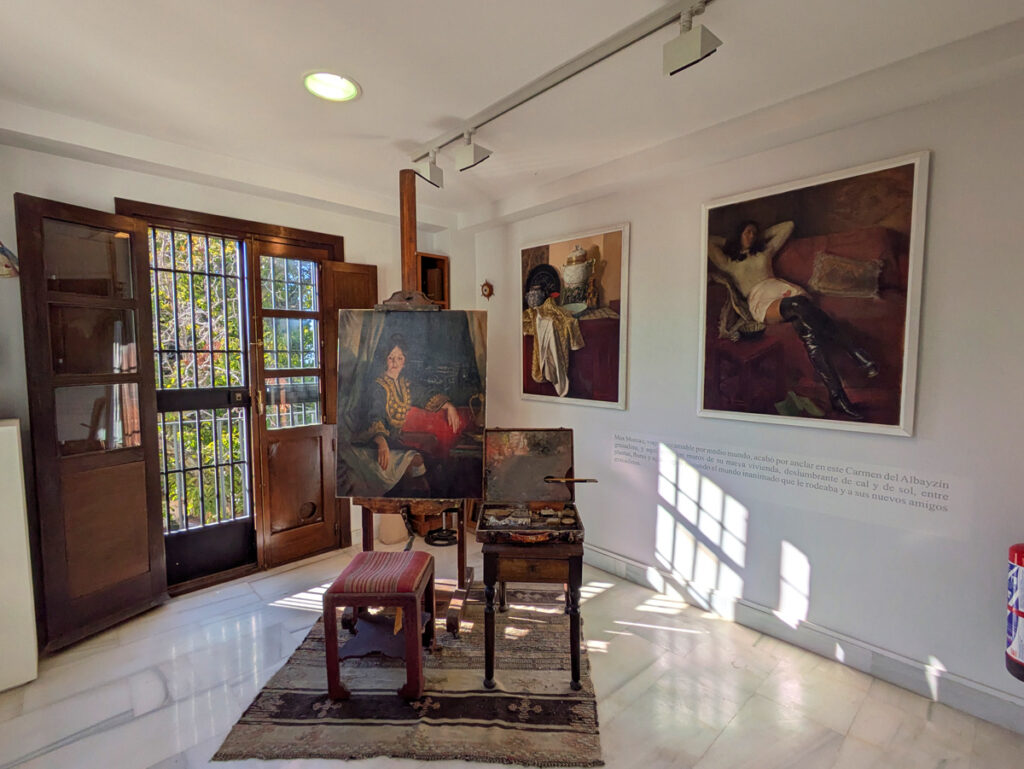
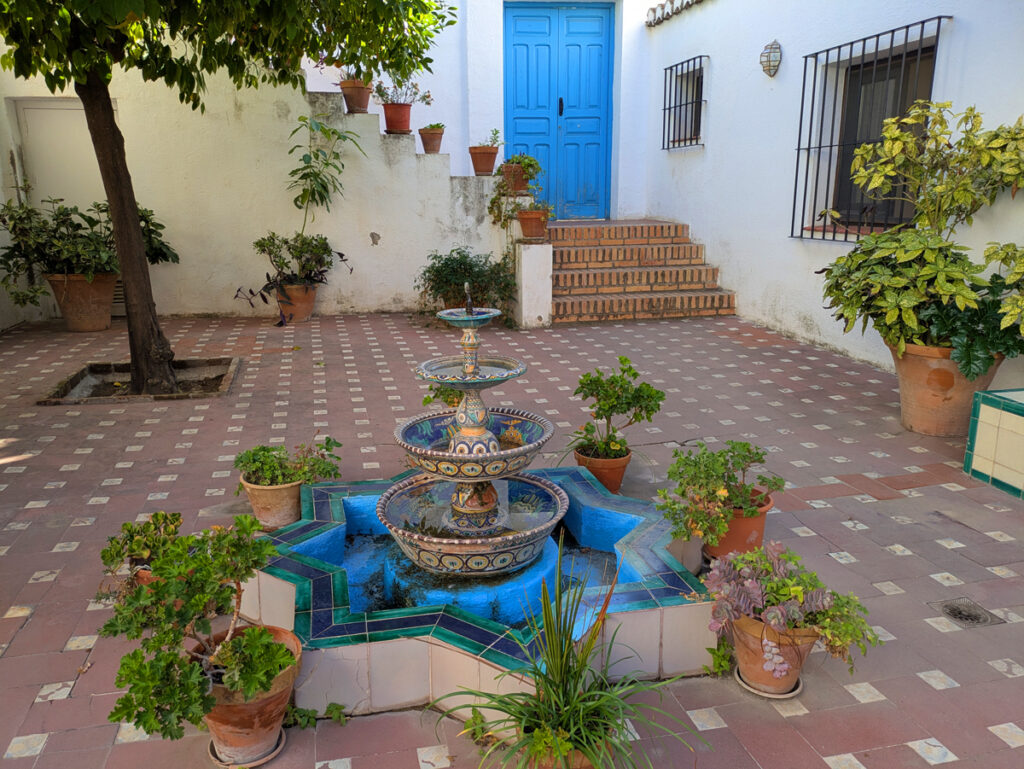
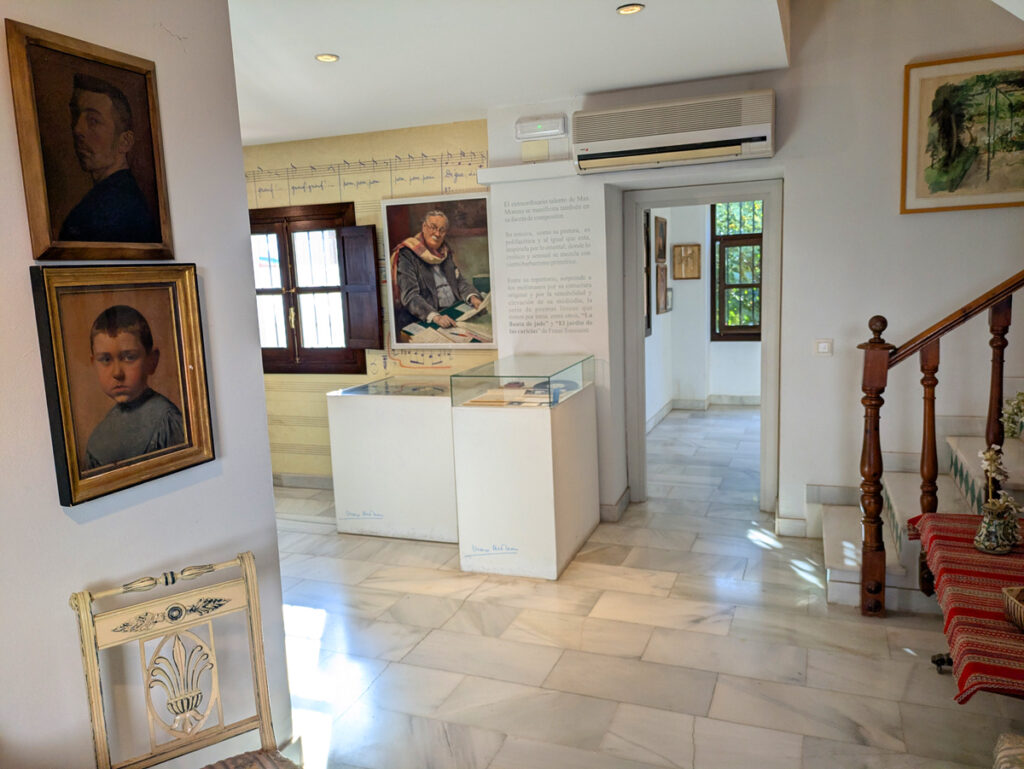
Carmen de los Geranios – Casa Museo de Max Moreau
One of the most pleasant surprises in the Albaicin. Just a few minutes away from Mirador San Nicolas are the house and gardens of Max Moreau, a famous Belgian painter (1902 – 1992). Beautiful house, interesting art, a romantic setting and great views. Transports you back in time.
How to Visit: free, but if you can leave a little donation it is appreciated.
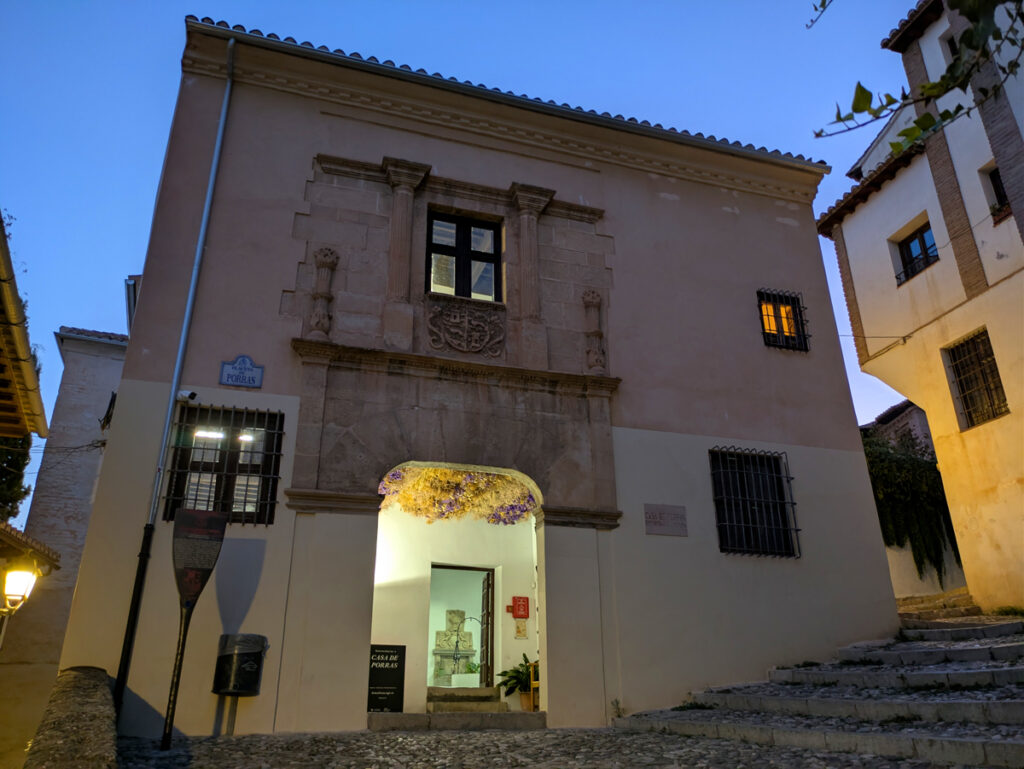
Casa de Porras
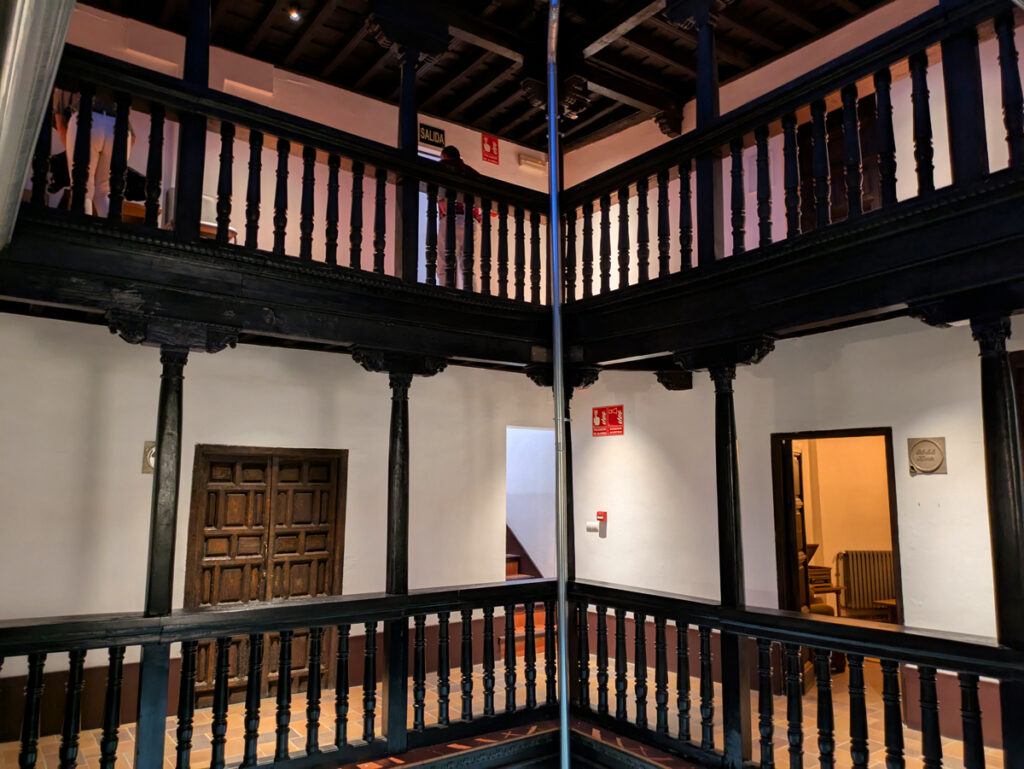
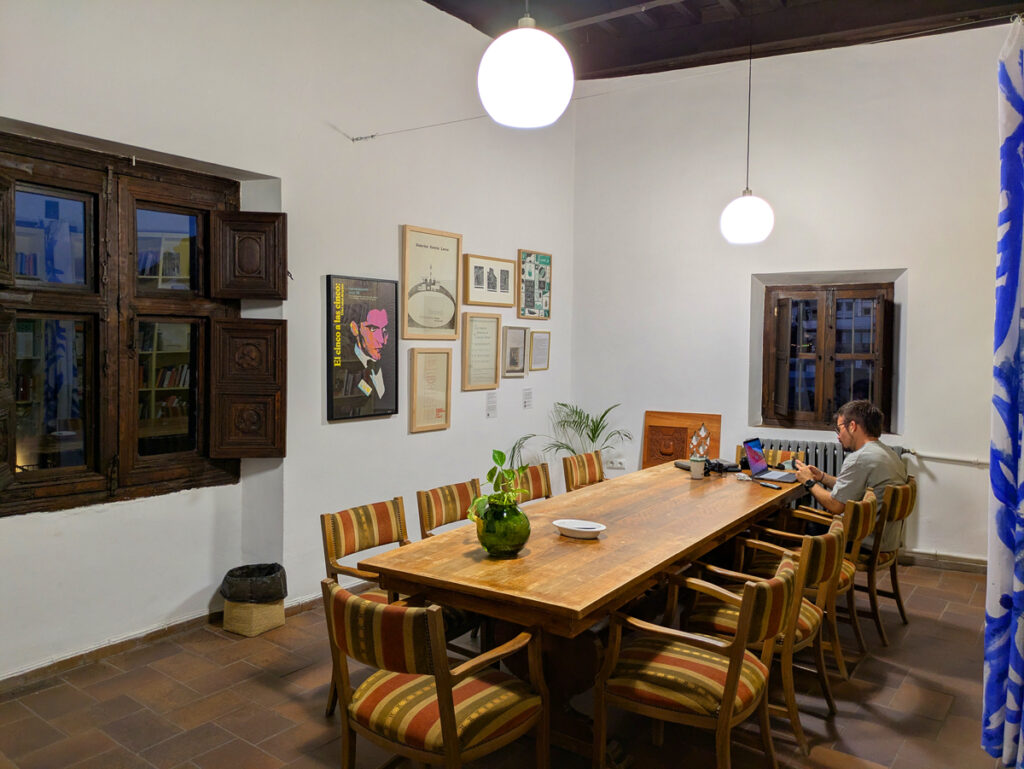
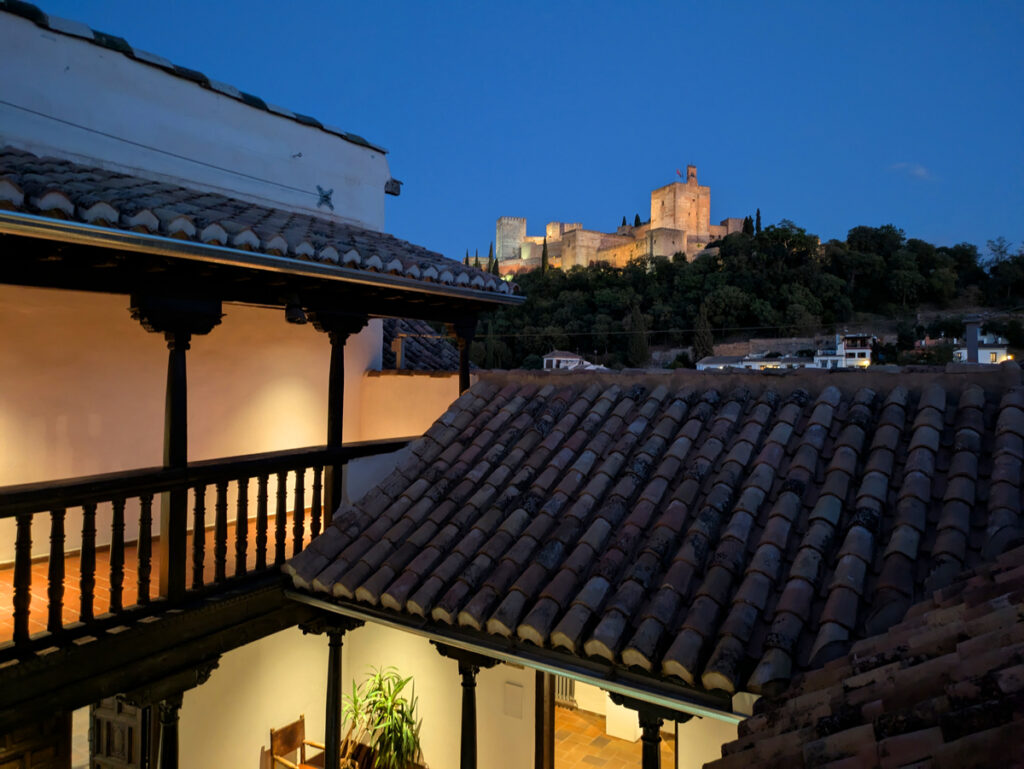
Another pleasant surprise. A former Moorish house with origins in the 16th century, this building is now part of the University of Granada. But you can walk in, see Mudejar elements such as the central courtyard and wooden beams and ceilings. You might see students sitting in some of the various rooms. It’s a great example of the past blending with the present.
What to See in the Albaicin: Other attractions
I wouldn’t prioritize the next few attractions but if you have the Dobla de Oro package then they are definitely worth visiting. Or visit on Saturday when free.
Casa Zafra
A 15th century Moorish home built for nobility, it is typical of Islamic architecture at the time. It also serves as the Albaicín Interpretation Center, so you have a lot of panels and exhibits explaining the history of the Albaicin.
Casa de Castril (archaeological museum)
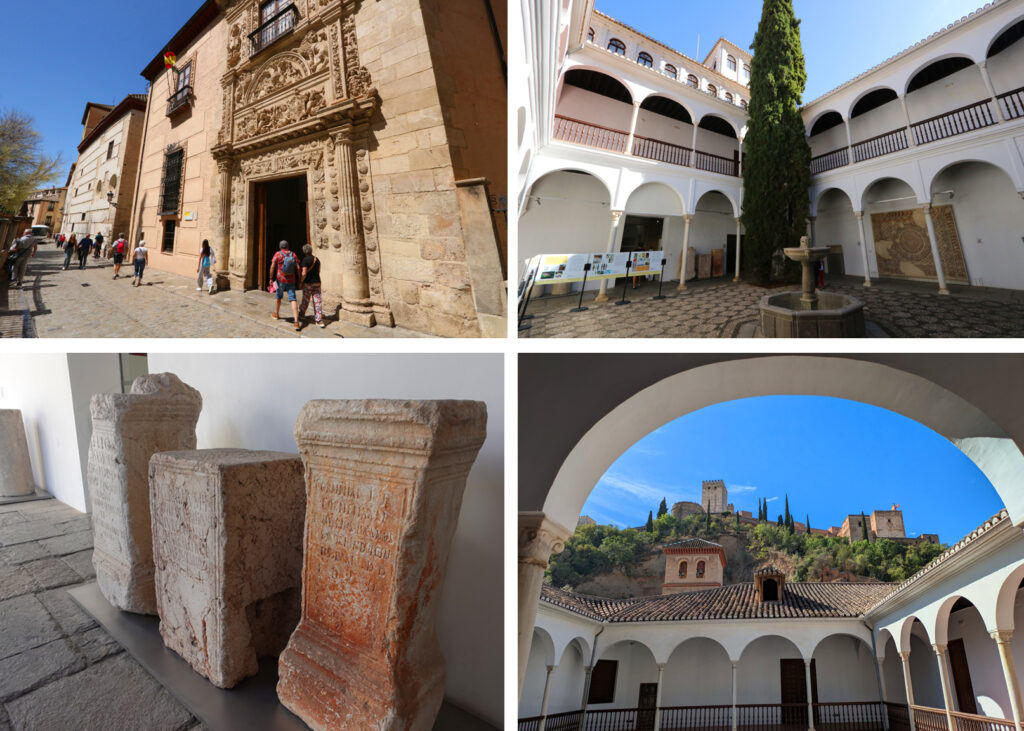
Built in 1539, Casa de Castril is one of the best Renaissance palaces of Granada and belonged to the family of Hernando de Zafra, secretary of Catholic monarchs who participated in reconquering Granada from Islamic rule. Today it houses the city’s archeological museum.
Casa Horno de Oro
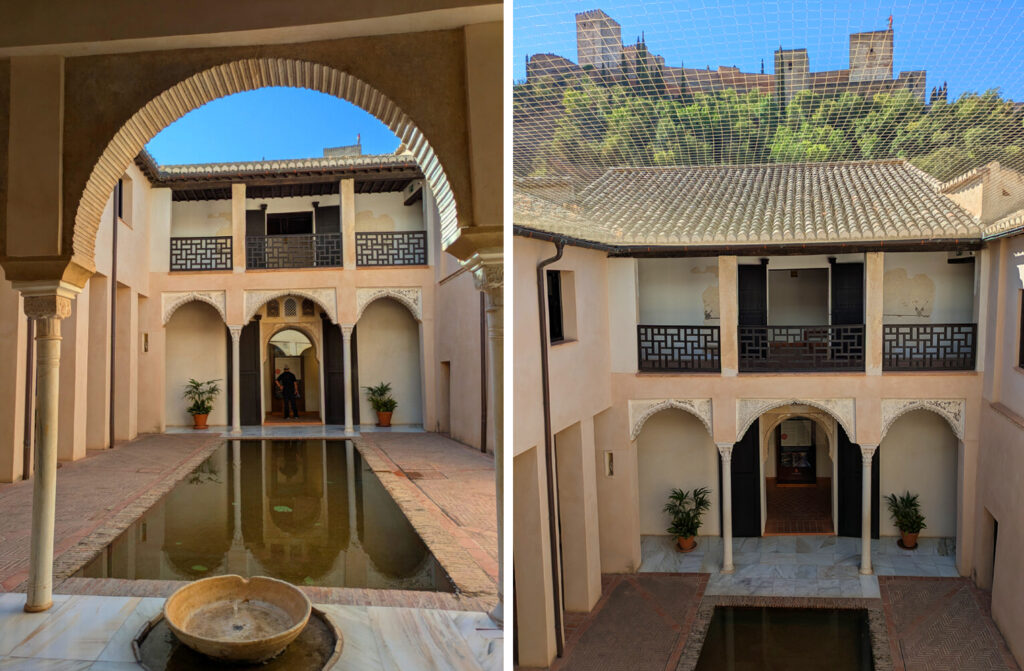
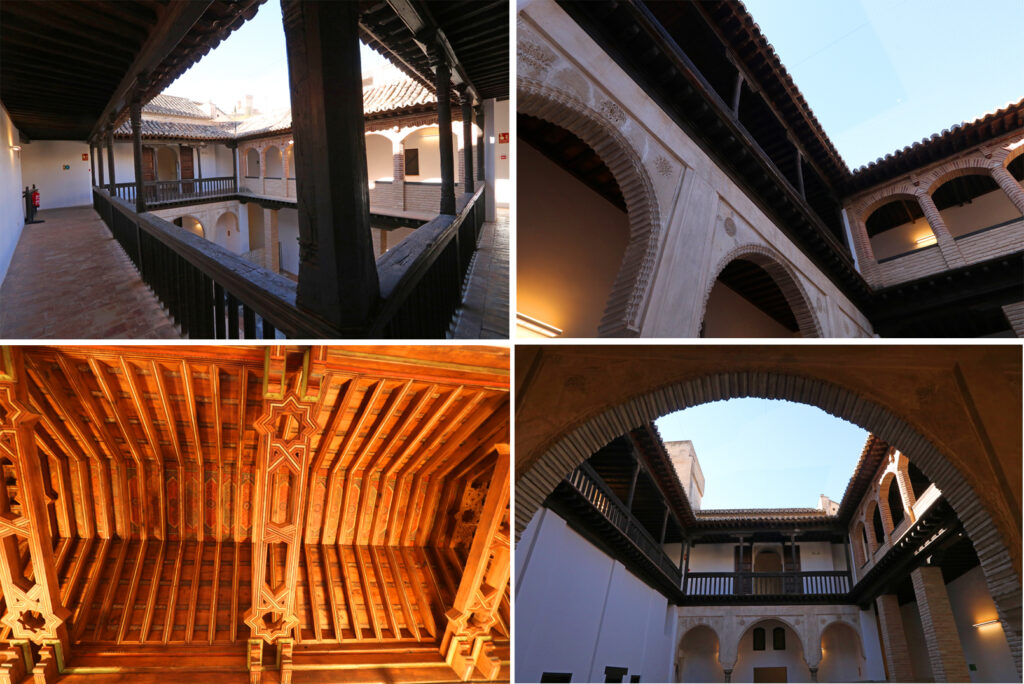
Another Moorish home, Casa Horno de Oro was built in the 1400’s. It is one of the best preserved old homes in the Albaicin and has many of the characteristics of Islamic architecture: a porticoed courtyard with a pool, porticos with Nasrid columns, and an incredible coffered ceiling.
Practical Information on the Albaicin (and Granada)
- A recommended tour which covers the best of the Albaicin and Sacromonte (including the walk along Vereda de Enmedio, one of the most scenic walks in Granada).
- Where to stay in Granada (for all budgets). I don’t recommend staying in the Albaicin itself, but you’ll find accommodation options in the post I’ve just linked. They’re all close to the Albaicin.
- Getting around. The Albaicin is hilly and cobblestoned. If you have some mobility issues, you might want to take a bus from Plaza Nueva. To get to Mirador San Nicolas (basically the heart of the Albaicin), you can take the 30 or 31 bus. The 34 bus is another useful bus line: again, it starts at Plaza Nueva but it turns into the Sacromonte neighbourhood. The Sacromonte Caves are very much worth visiting and from there you can walk to the Albaicin along Vereda de Enmedio. All about that in this post: A Visit to the Sacromonte Caves Museum. Note, for buses, you can pay aboard the bus in cash if you wish: 1.60 Euro as of December 2025.
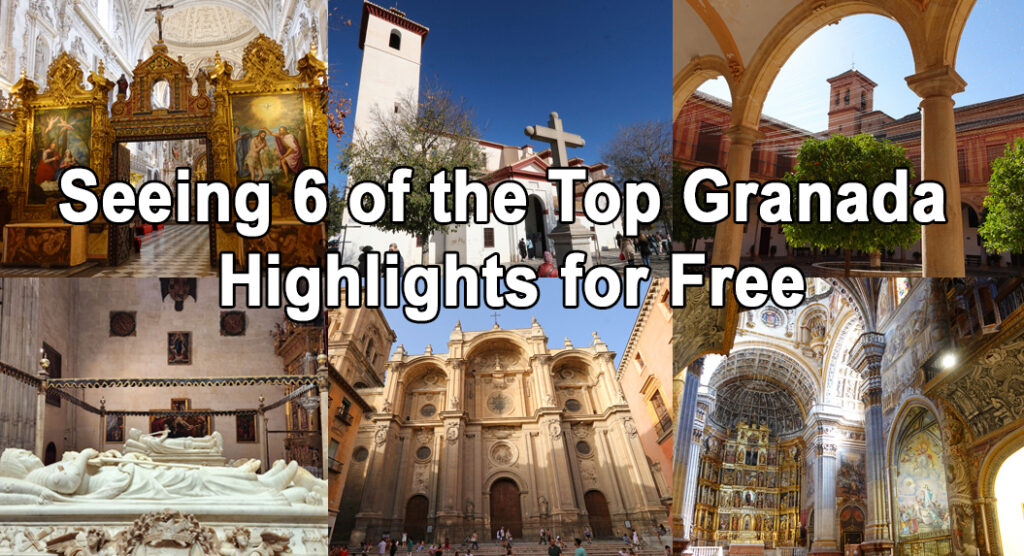
Related: Seeing 6 of the Top Granada Highlights for Free
Related: 2 Days in Granada



Leave a Reply