What’s Vilanova i la Geltrú like?
When we announced a visit to Sitges, one of our readers told us about Vilanova i la Geltrú.
Josie: “Sitges: it has the prettiest beach/promenade, but is a resort town through and through. Vilanova: Authentic Spain with families and lively squares and a mile long rambla”.
Josie was absolutely right. Even in March, Sitges was packed with tourists. We didn’t like it at all and honestly just didn’t understand the hype. So we went for the day to neighboring Vilanova i la Geltrú.
So what is Vilanova i la Geltrú like? Our impressions below with lots of photos.
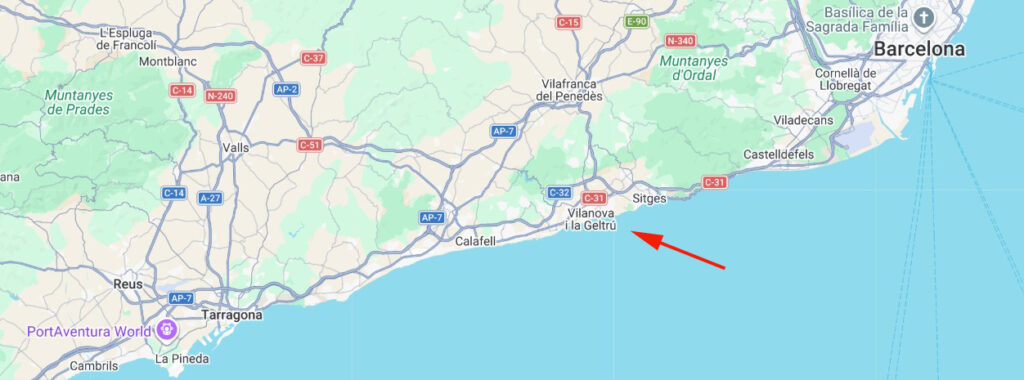
Getting to Vilanova i la Geltrú
Vilanova i la Geltrú is on the R2 Sud commuter train line between Barcelona and Sant Vicenç de Calders. Schedule here. The train passes every 30 minutes and takes 6 minutes from Sitges to Vilanova i la Geltrú (or 48 minutes if you’re coming to Vilanova from Barcelona Sants).
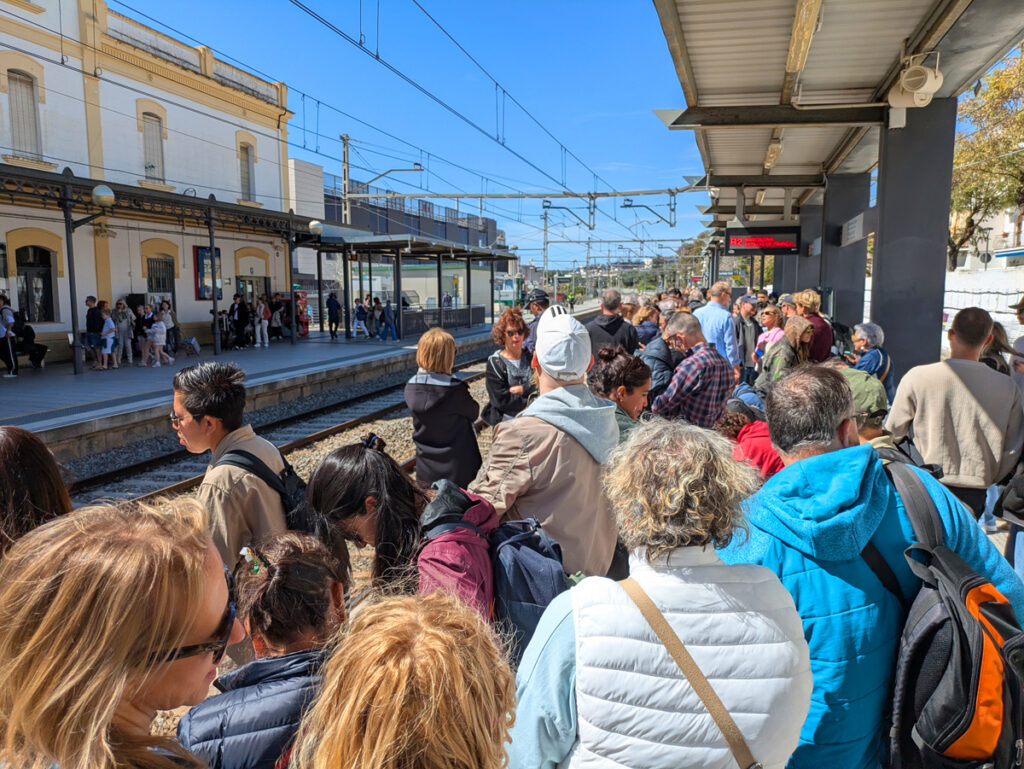
Bit of advice: if taking the train from Sitges, wait in the middle of the platform, not at the ends. The platform in Sitges was so busy (people going in the other direction to Barcelona) that we couldn’t get to the Vilanova i la Geltrú train when it arrived. We missed the train and had to take the next one.
Getting orientated with Vilanova i la Geltrú
When you arrive, the natural tendency is to head straight towards the coastline. But unlike Sitges, the town center is actually further inland. A map below, click to see it in detail.
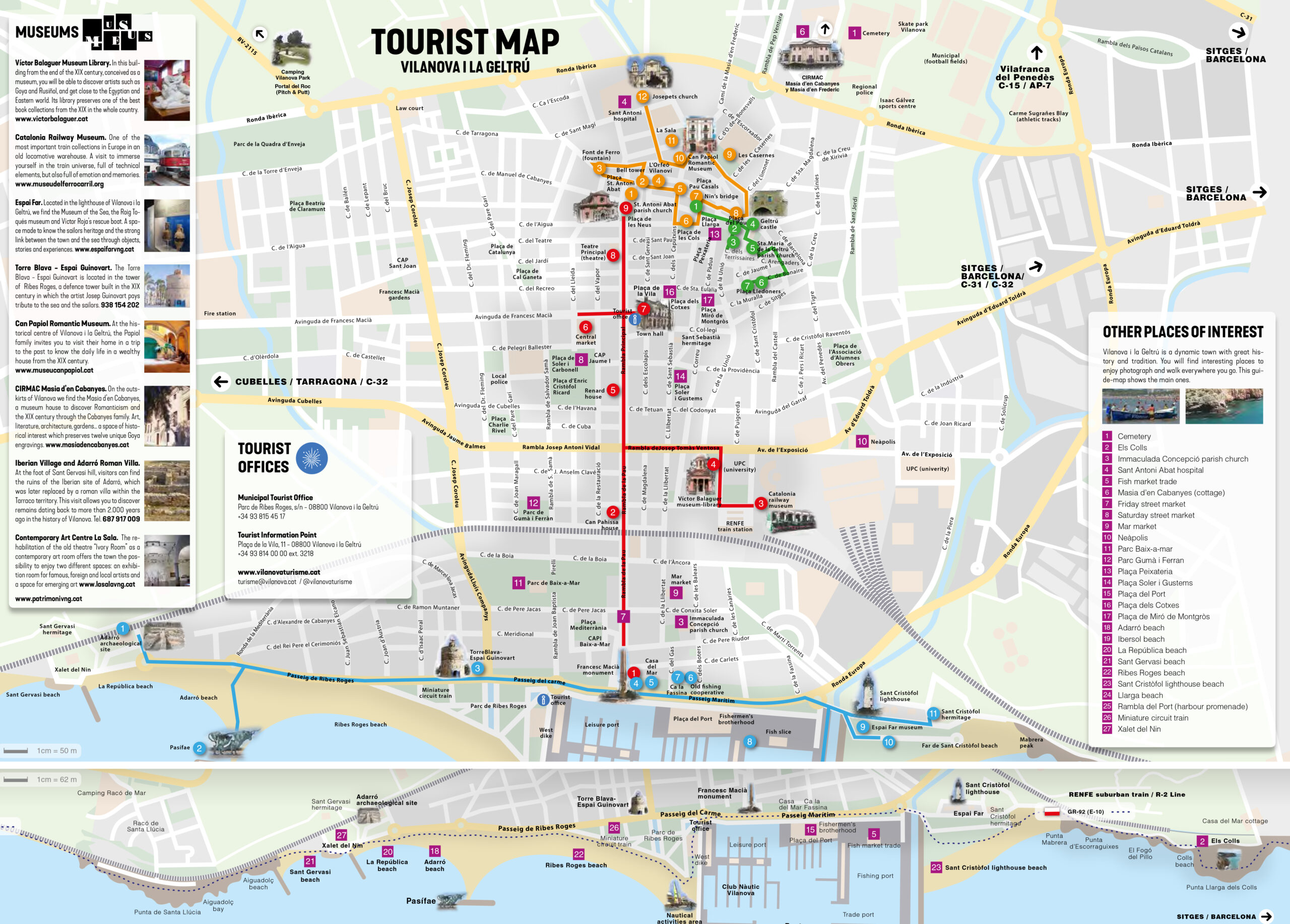
So when coming out of the Renfe train station, you have to decide: do you want to explore the town center OR see the coastline?
We opted to see the coastline so we walked a couple of blocks west and then followed the underpath which crosses beneath the train line.
The Beaches of Vilanova i la Geltrú
You’ll get to a beach road, some restaurants and a port across the street. Nothing to see there. Continue to the right, you’ll see signs for the tourist office (which is a kiosk…closed and undergoing renovations when we were there). Right next to it is Ribes Roges park: enter the park, you’ll see a path heading to a gazebo.
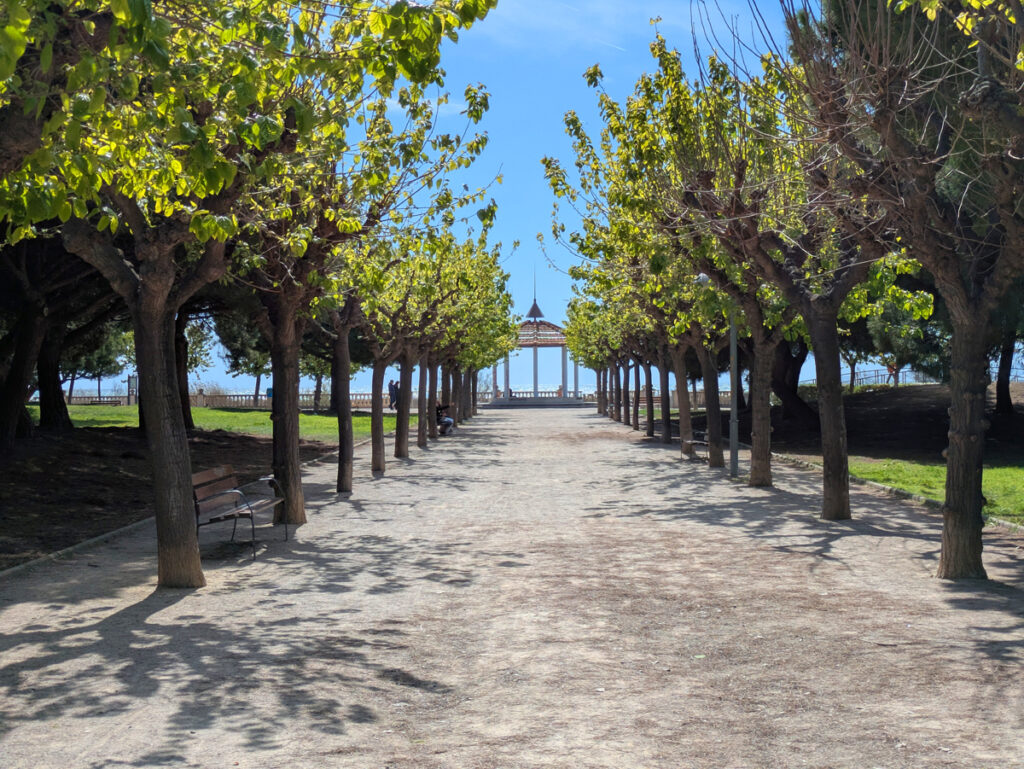
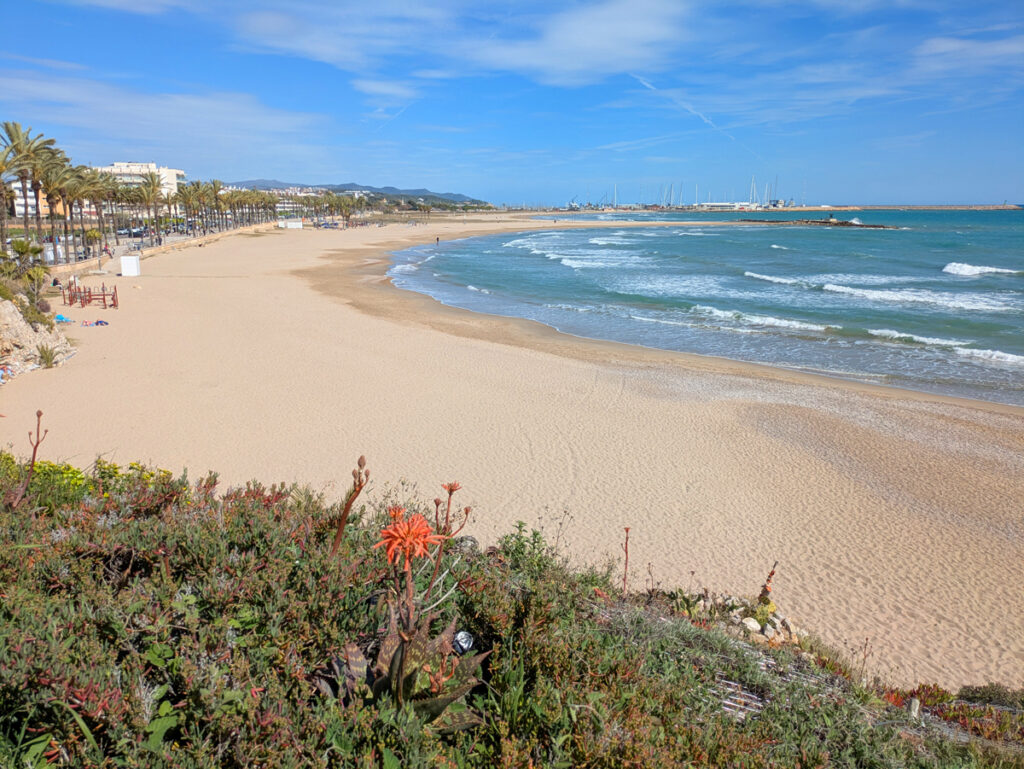
From here the views open up, looking over Ribes Roges beach: a 1 km beach with white sand. It is regarded as one of the best beaches south of Barcelona and is very popular in the summer.
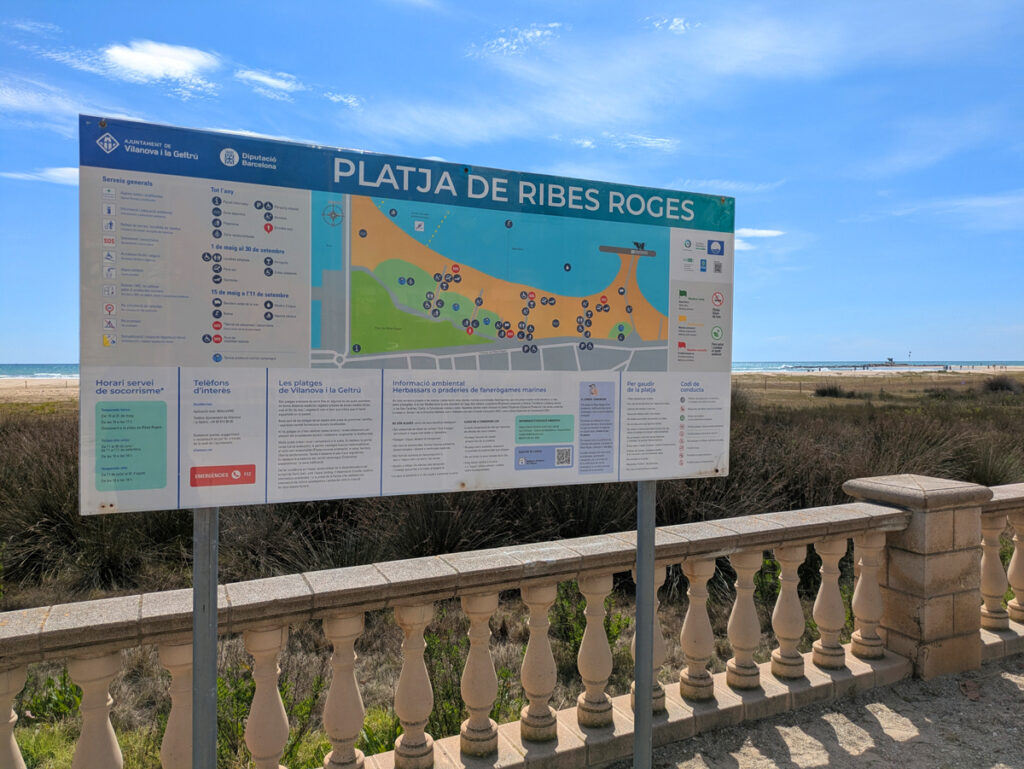
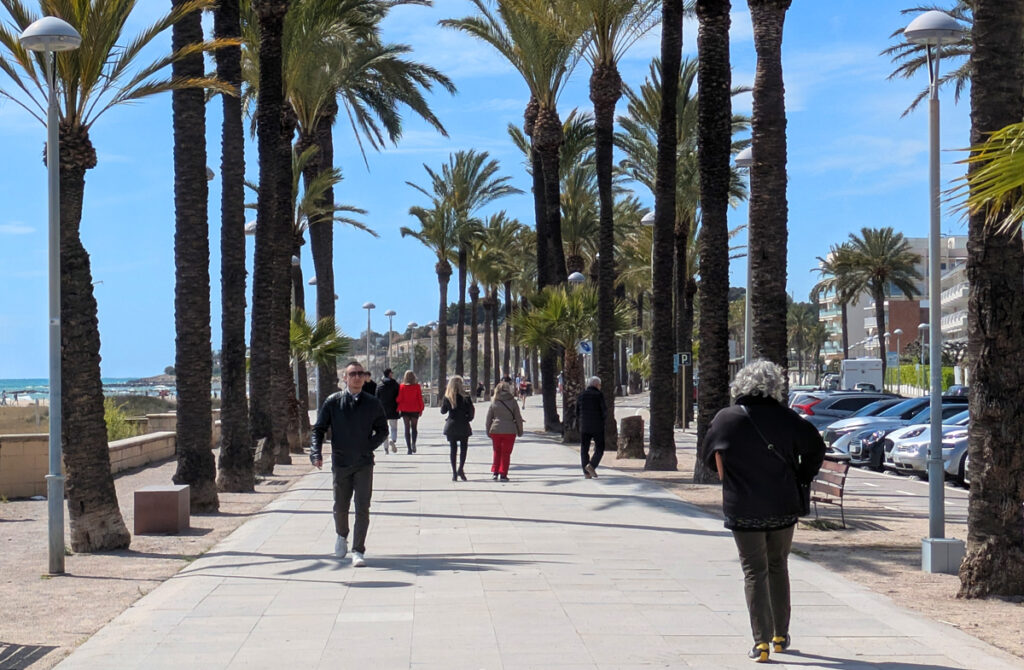
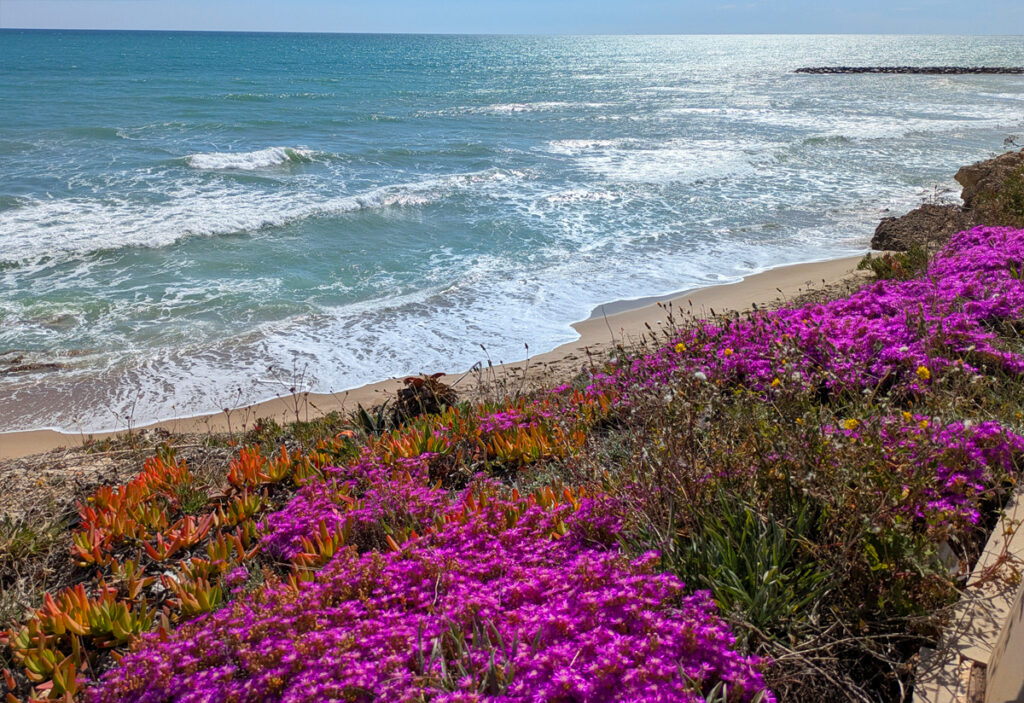
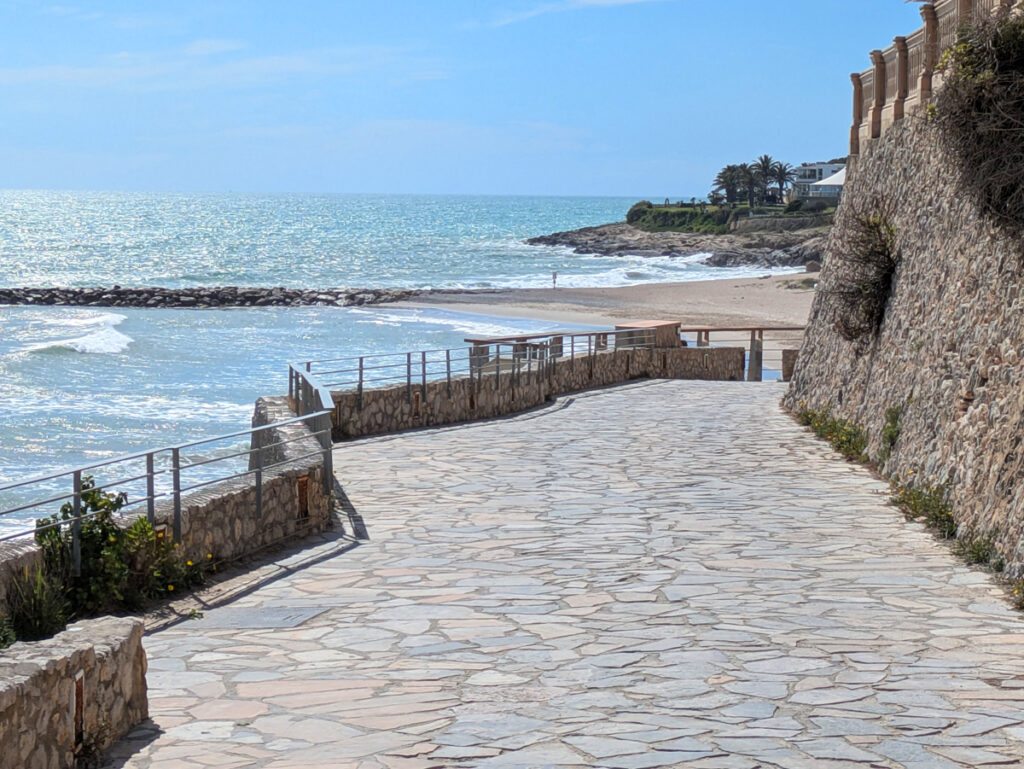
Following the beach is a long promenade lined with palm trees. It’s a popular place with locals walking, jogging and taking their dogs for a walk. The nature here is gorgeous and if you’ve just come from over-stimulated Sitges you’ll find it relaxing and peaceful.
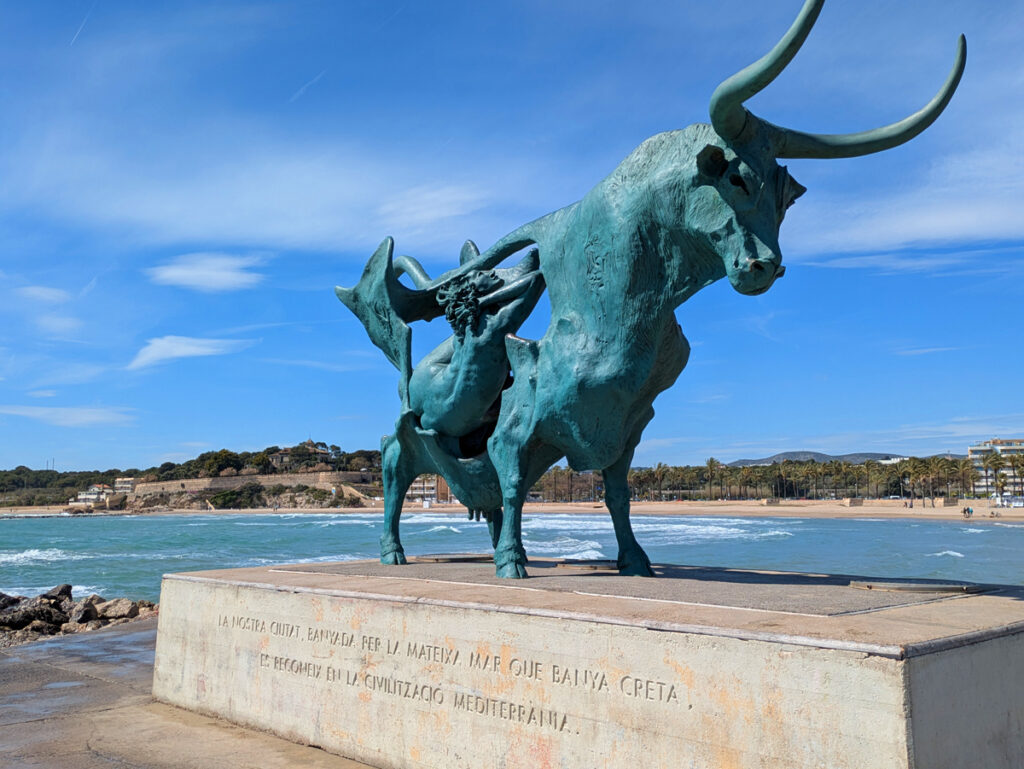
Further along are a few highlights: a huge sculpture of a bull with a woman in its belly (more on that here). It’s worth walking out to the sculpture to look across the white sand dunes of the beach. It’s impressive. Further along is a headland with what looks like a castle. It’s closed and seemingly some sort of event venue…but the views of the beach here are fabulous. We were very impressed with all the nature surrounding us.
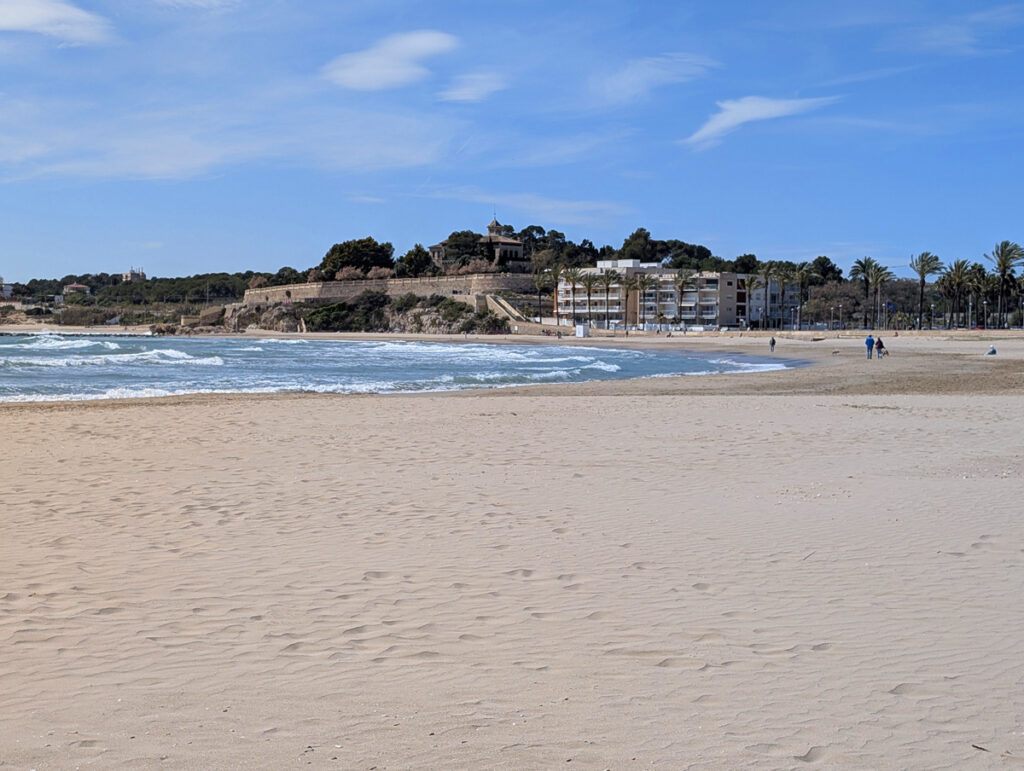
Having walked about a kilometer, we decided to walk back to the town center. But one could walk further, I read that Vilanova i la Geltrú has 6 km worth of beaches going down the coast.
Vilanova i la Geltrú town center
Rambla de la Pau is the main promenade leading from the coast into the center of the town. Starting across from the port, it starts at the impressive Francesc Macià monument (dedicated to Francesc Macià, a Catalan political leader).
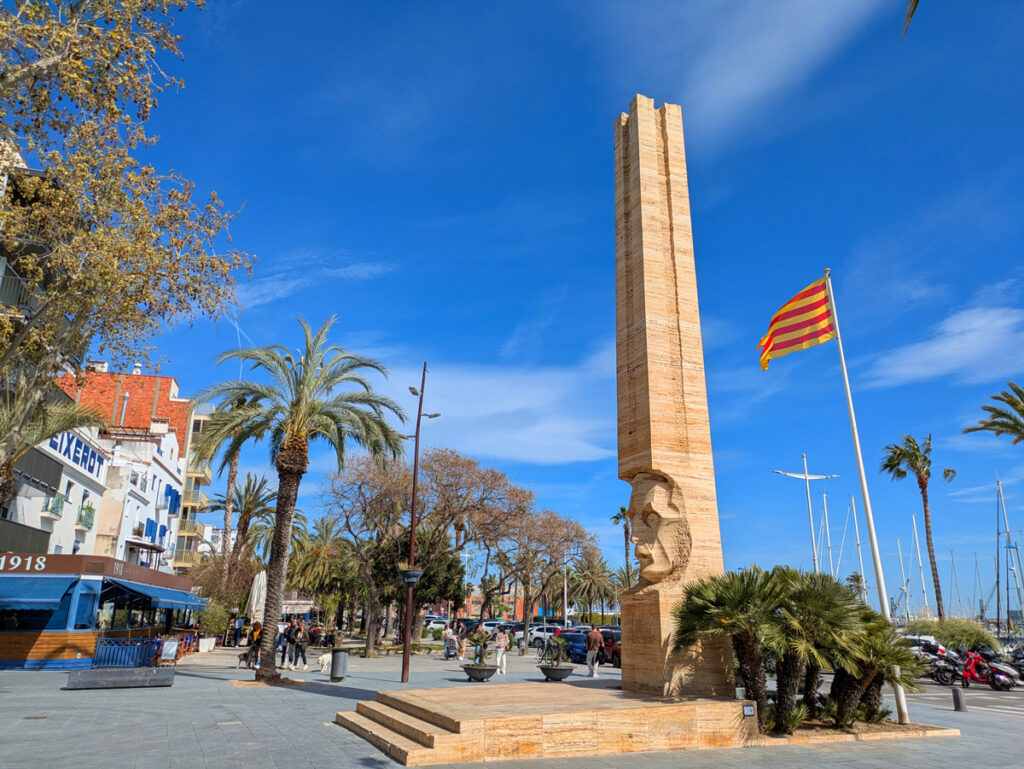
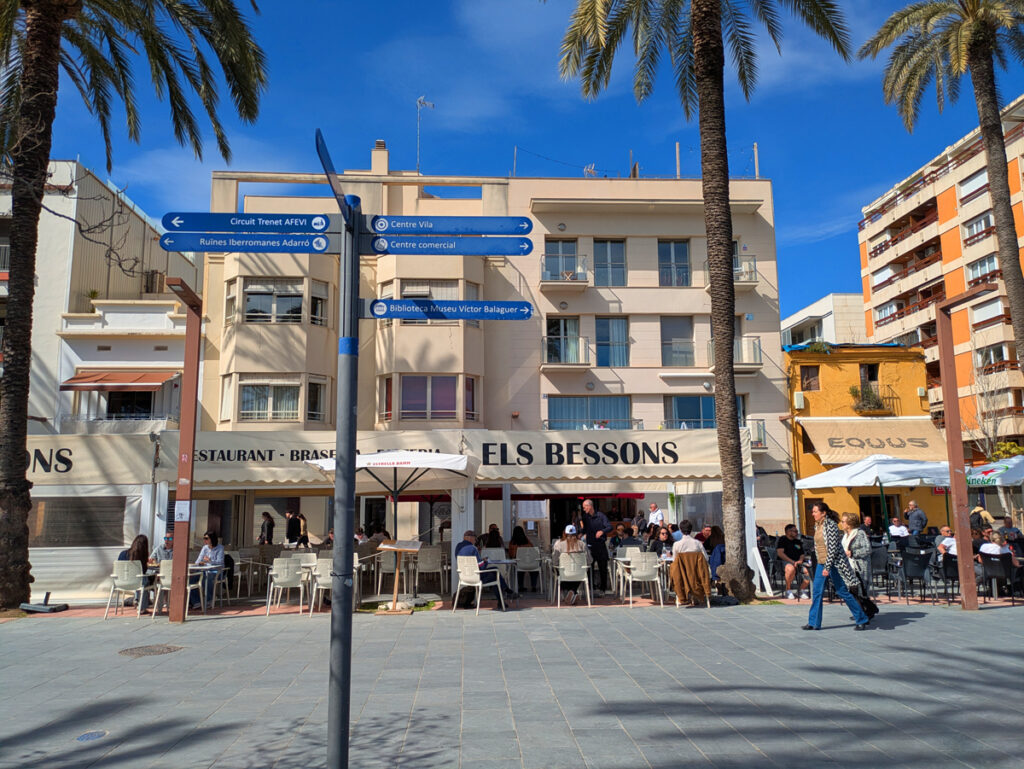
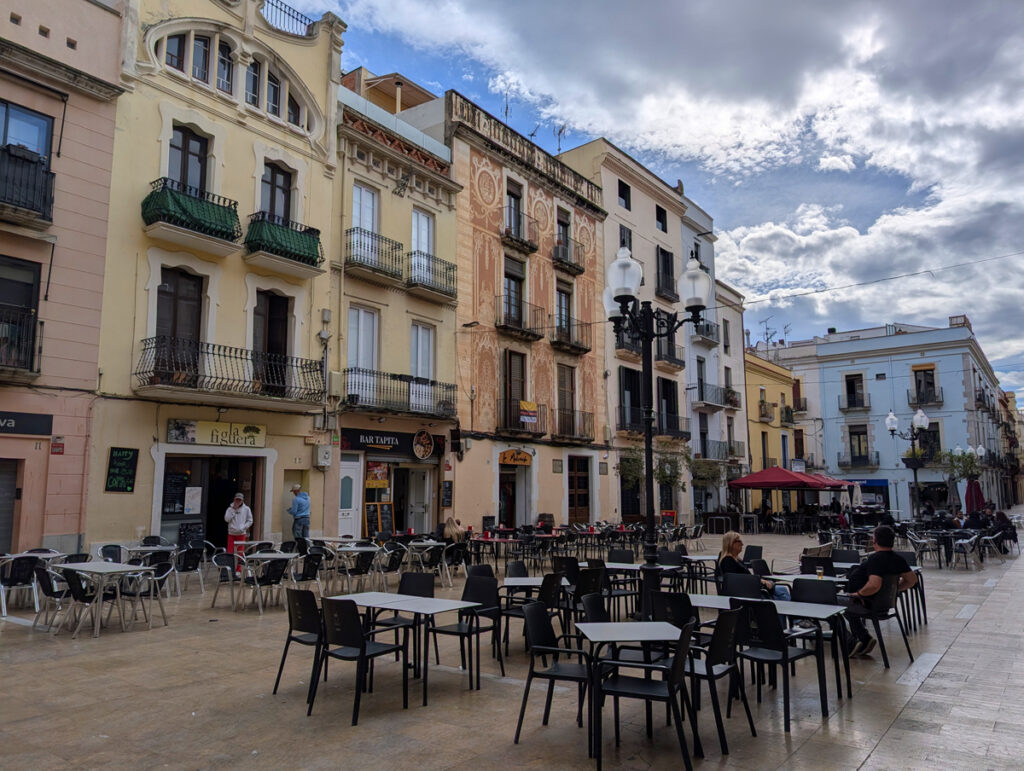
It’s a wide, pedestrian-only promenade lined with restaurants and stores. Continuing along the businesses peter out a bit as you near the underpass (back under the train line) then pick up as you enter the city center. And it’s a very pretty city center with opulent 19th century buildings. Interesting fact: many of the buildings were financed by Josep Tomàs Ventosa Soler (1797–1874), a textile magnate who made his fortune in Cuba. As you continue a little further, you’ll enter Plaça de la Vila, a beautiful square where you’ll find the town hall. There stands a statue of Ventosa, identical to a statue located in Matanzas Cuba.
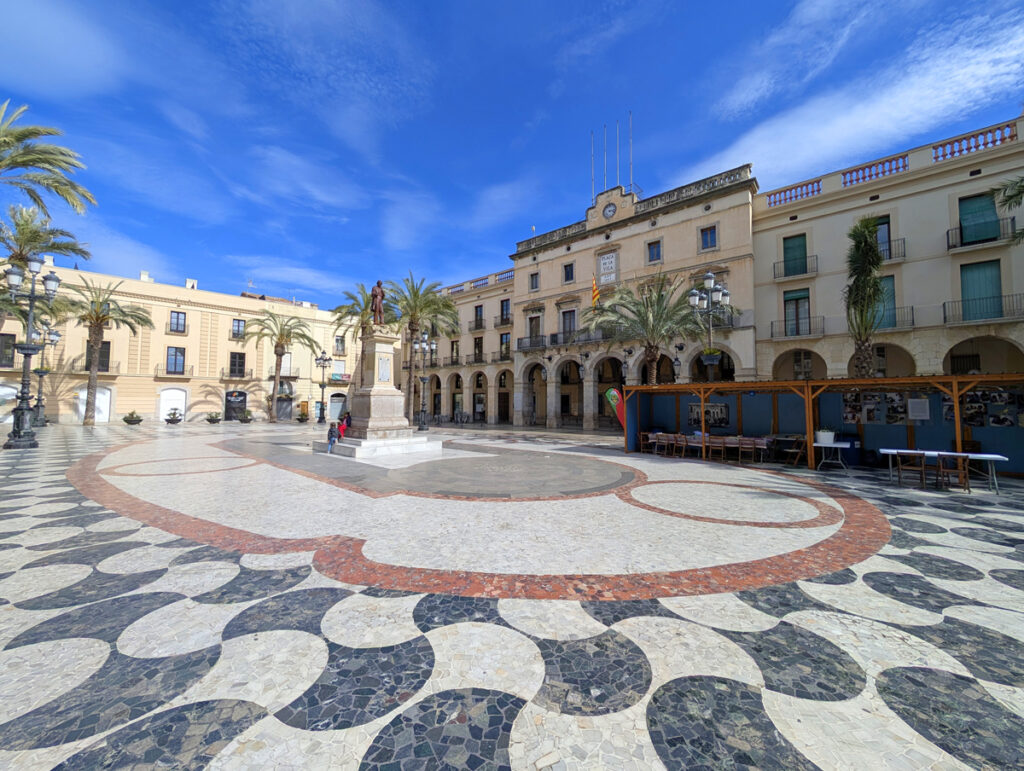
By this time we were mid-afternoon on a Saturday, the time when Spanish cities become ghost towns. We continued after Plaça de la Vila, seeing Plaça de les Neus, Plaça de Sant Antoni and seeing more squares, churches and palaces. Vilanova i la Geltrú is attractive, the city center filled with monuments and pastel-coloured buildings.
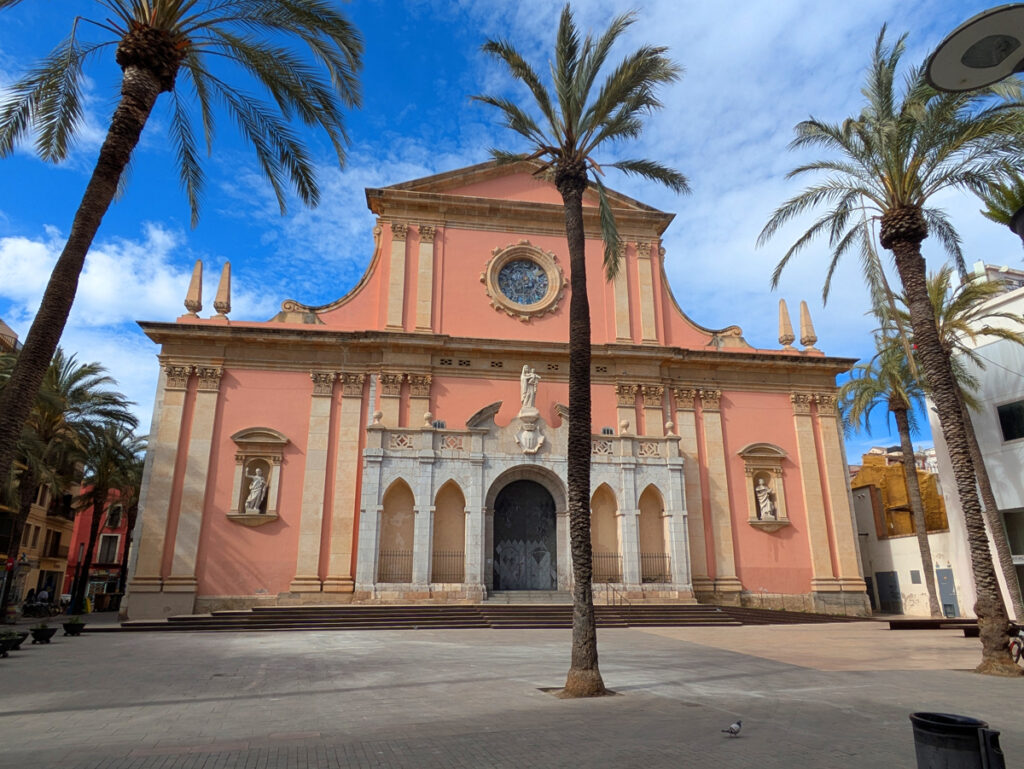
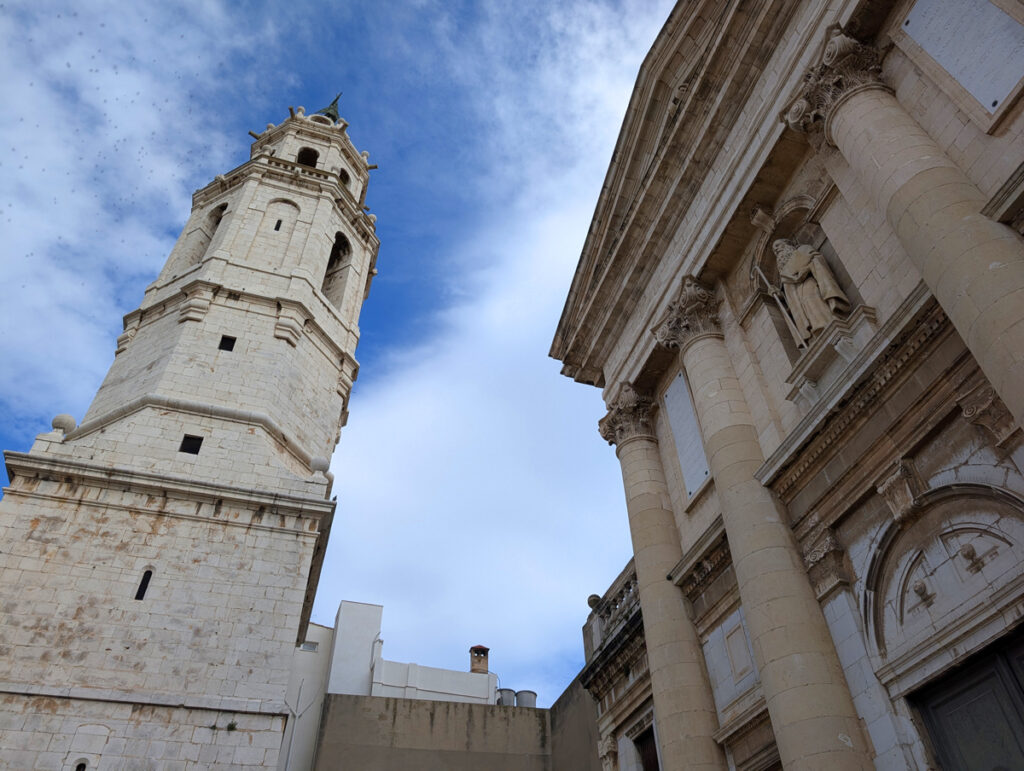
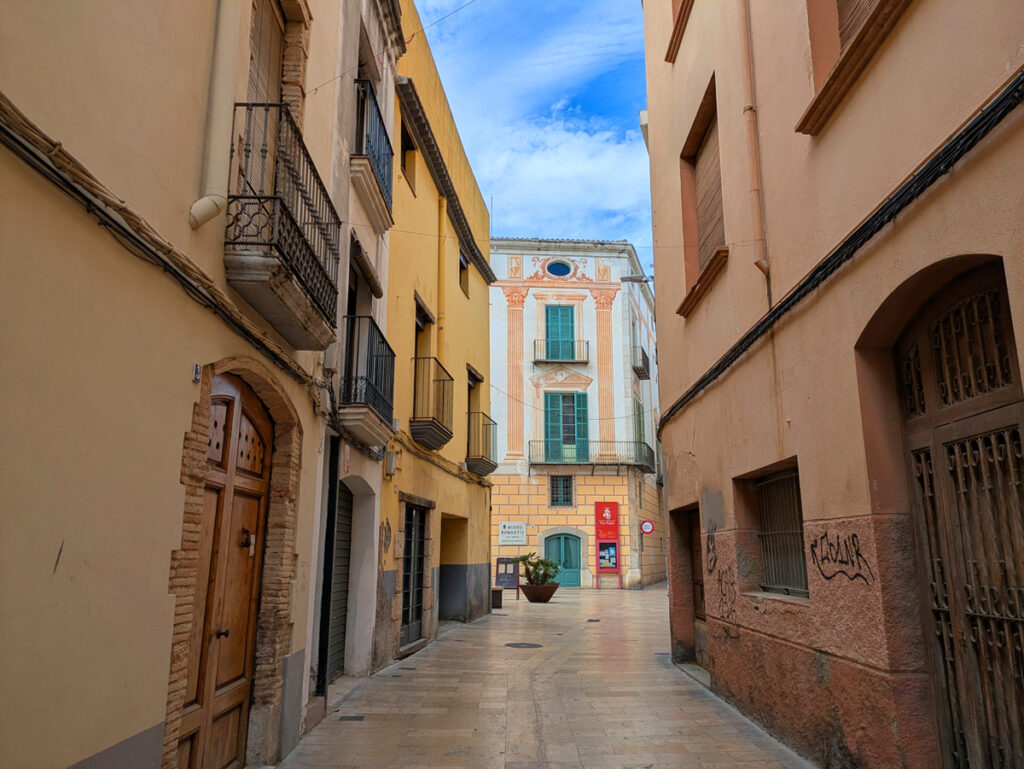
Note: a major highlight (which we didn’t have time for) is the Railway Museum of Catalonia. Also worth seeing is the Biblioteca Museu Victor Balaguer, hosting a collection of books from the 19th century as well as Catalan art.
Summing up Vilanova i la Geltrú
Coming from Sitges, we were impressed by the spaciousness in Vilanova i la Geltrú: the large seaside promenade, the wide beaches, the long rambla. Everything in Sitges is tight and loud. Vilanova is the opposite. It’s peaceful, quiet and with its easy access to Barcelona I can understand why Vilanova i la Geltrú would make for a great base.
Have you been to Vilanova i la Geltrú? What do you think?
Related: What’s Tarragona like? Our Impressions



Leave a Reply