Rating the Spanish Cities.
Spain is the 2nd most visited country in the world, people coming for its history, architecture, beaches and culture. But many of Spain’s visitors go to the same places. Cities like Barcelona, Madrid, Seville and Granada come to mind.
There are many other Spanish cities that are off the tourist trail that are absolutely underrated, others that are ho-hum, and others that I just wouldn’t recommend to anyone.
In this post I rate the Spanish cities, telling you what I like or don’t like about each, and rate them out of ten. I’m guaranteed to get people upset because nobody is going to agree with each opinion. Feel free to comment with your thoughts at the bottom of this post.
We’ve been to 29 Spanish cities to date. This is one of those posts that I will continuously update as we continue discovering the cities of Spain.
In Alphabetical order. At the bottom of the post I’ll list them by my rating (the 10’s, 9’s, 8’s, etc…)
Spanish cities starting with “A”
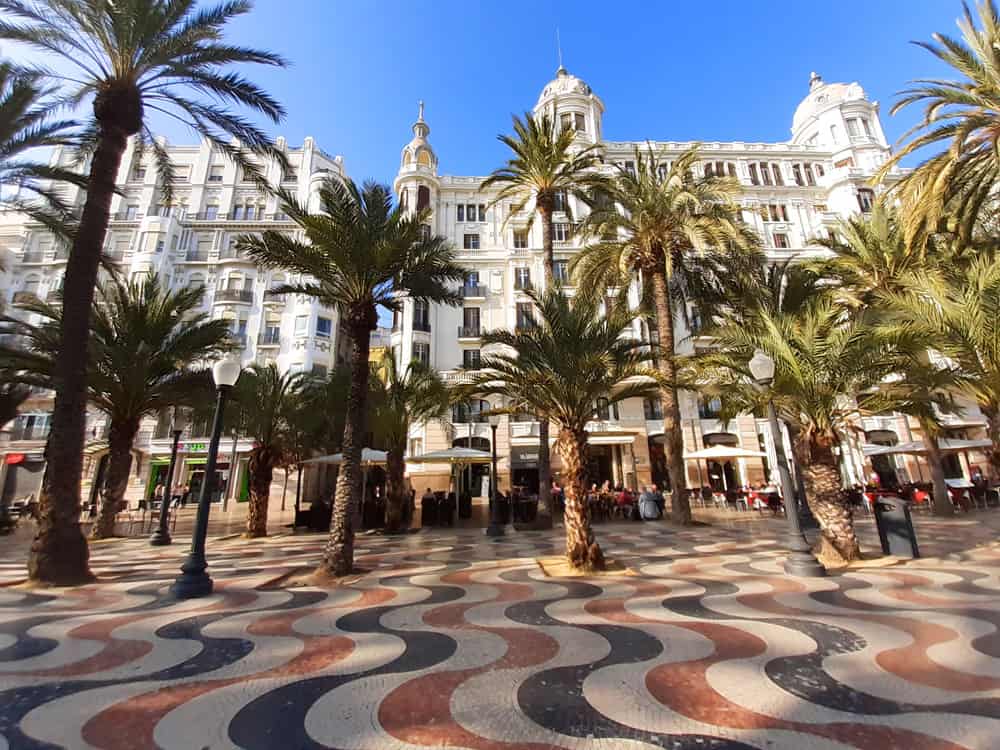
Alicante
We spent 11 days in the city of Alicante when we arrived in Spain, thinking it could possibly be our future base. We realized pretty quickly that the city wasn’t for us. We’ve been back a few times since then, using as a jumping off point for the Costa Blanca.
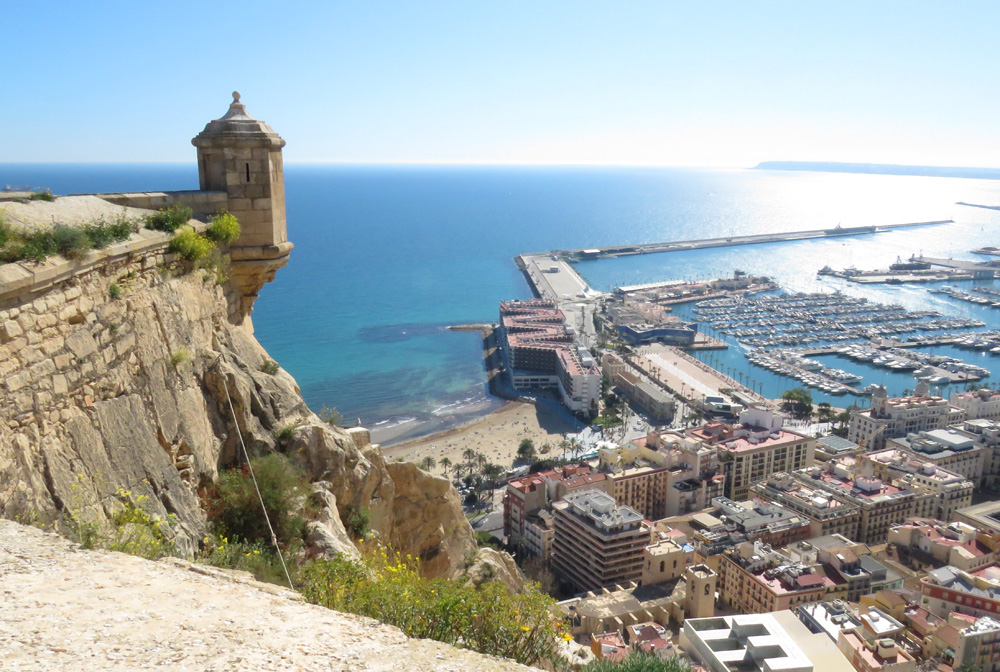
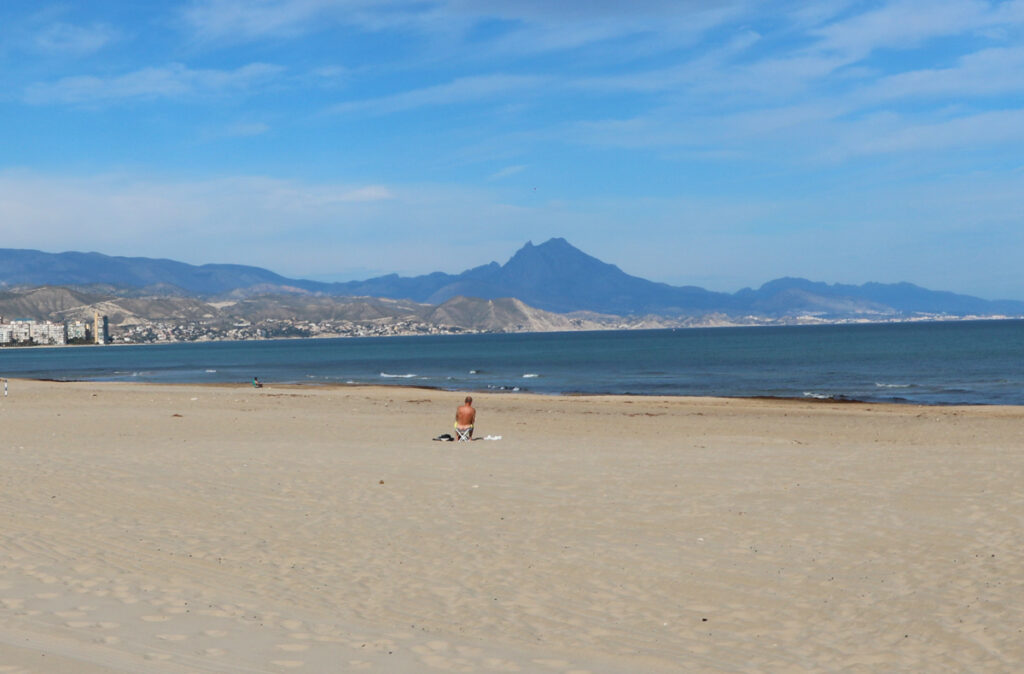
Santa Barbara castle has a spectacular setting atop the old town, giving you 360 degree views in all directions. It is the one attraction that is an absolute must-see in Alicante. The port has a beautiful promenade and some of the city’s best architecture. The beaches are fantastic and if you’re a lover of beaches then you’ll be happy, compounded by the fact that the city has a good tram system with trams literally taking you up the coast within meters of the surf. People are friendly, the old town is small but nice enough…
But really there’s not much to see in the city of Alicante past the above. You can come here for a day for the sights, anything past that is for the peaceful ambiance and proximity to beaches (which for some is just fine).
My rating: 6 out of 10 (as a place to visit)
Almeria
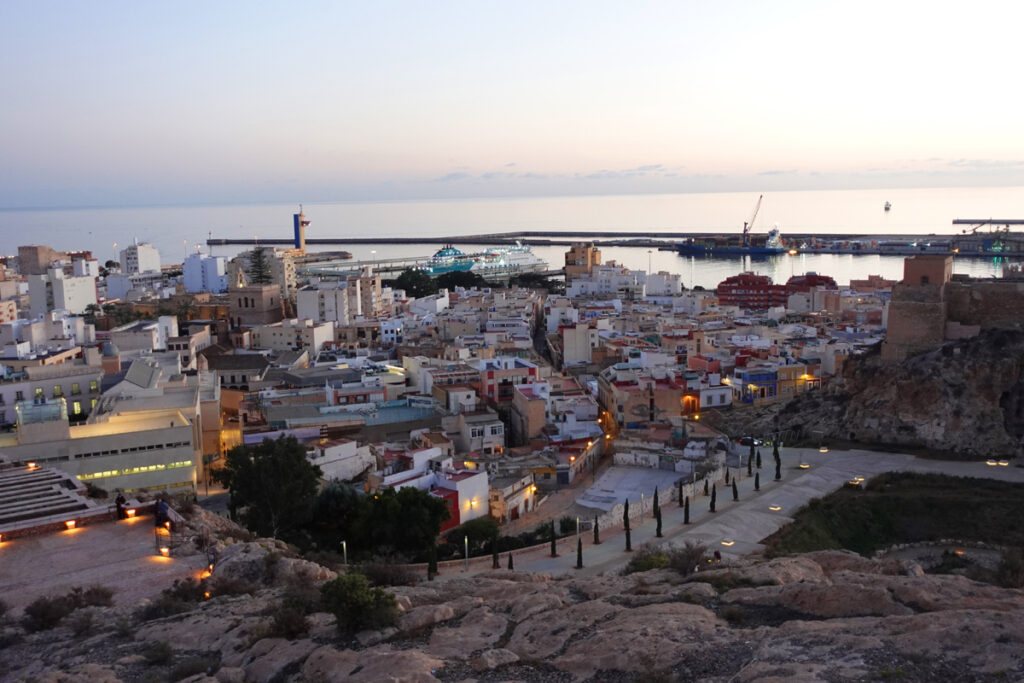
The City of Almeria is off-the-beaten-path and gets few visitors compared to many of the places on this list. That’s a shame. It’s one of Spain’s hottest cities in a spectacularly dry region (where cowboy movies with the likes of Clint Eastwood were filmed).
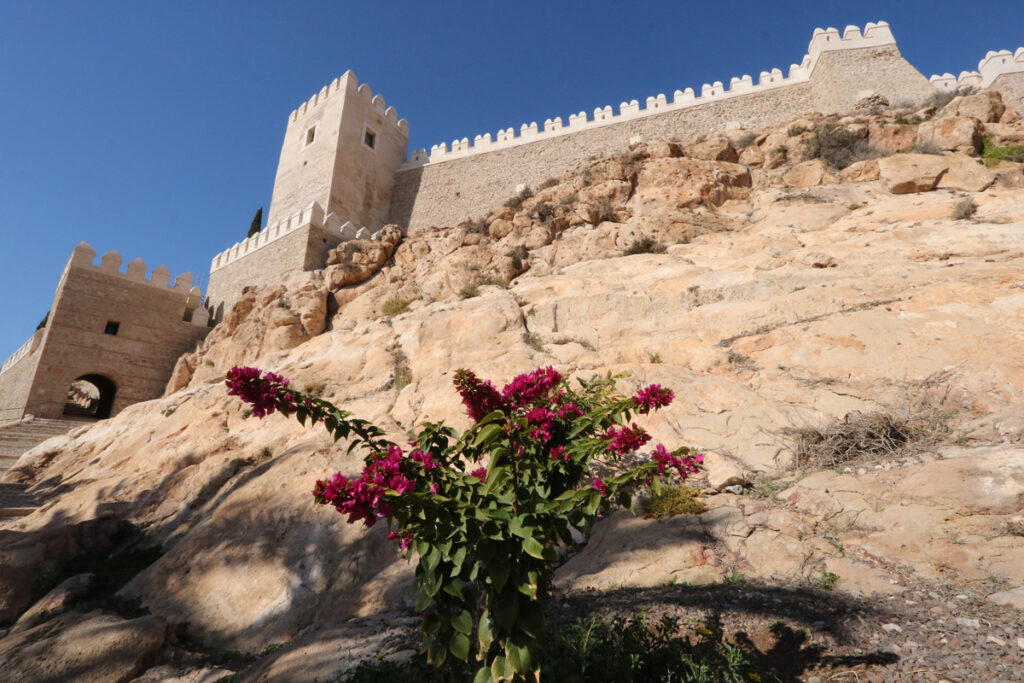
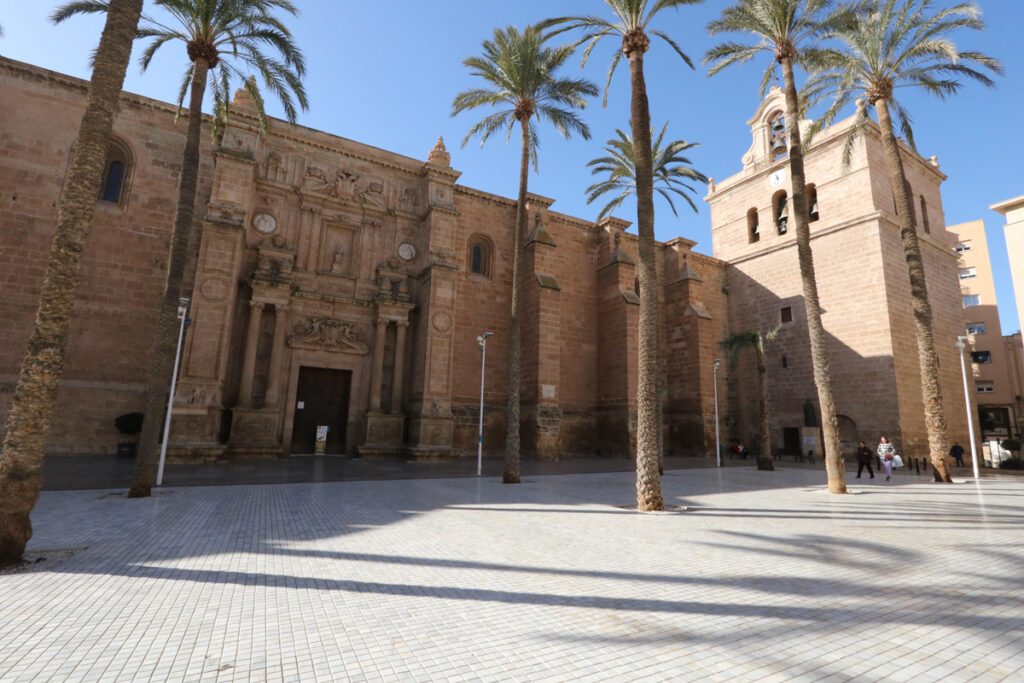
There’s plenty to see: the 2nd largest Alcazaba in Spain (after the Alhambra in Granada), lots of spectacular viewpoints, a very impressive Cathedral. Some nice promenades and streets where you can eat without seeing tourists all around you. Lots of little squares and fountains that are charming. The negative is that Almeria can also bit a bit gritty and among the pockets of beauty there’s also lots of ugly, that includes the old town which is haphazard. An ugly port dominates the city, beaches are located down the coast away from the city center.
Overall though, a good place to spend a few days discovering a lesser-known corner of Spain.
More: What to do in the city of Almeria
My rating: 7 out of 10
Antequera
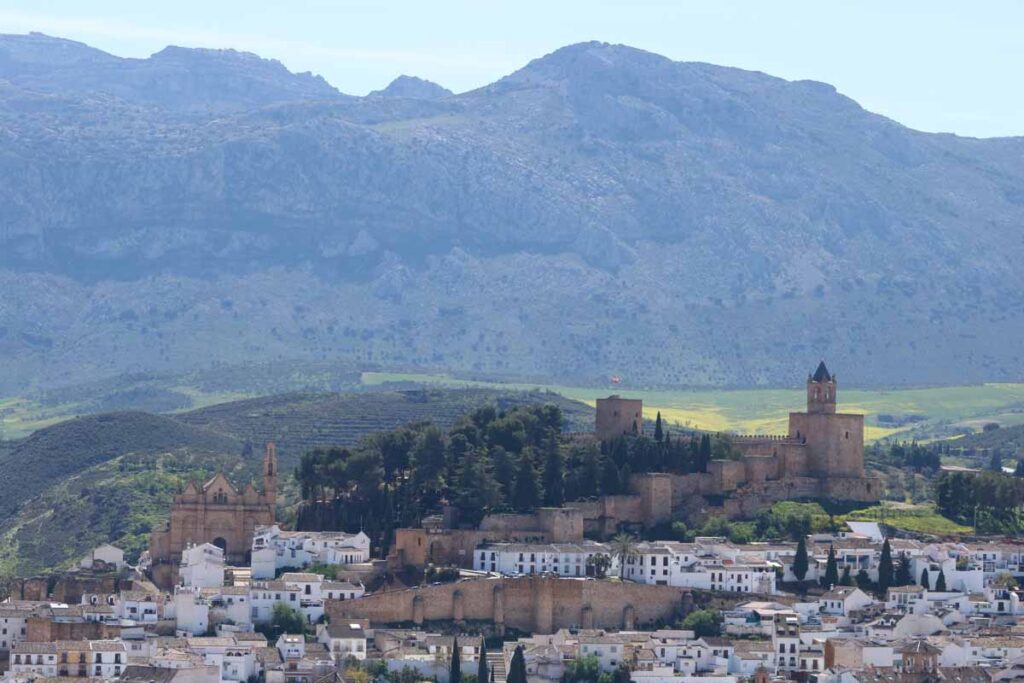
I admit I’m biased about Antequera: we came here for a visit and ended up living here for a year. I think it’s a spectacular city to visit for a few days, in fact we had a couple that visited us in Antequera and they said it was the highlight of their trip through Andalusia (because of the things to see but also because it gets few tourists and feels like “authentic Andalusia”). Antequera is 30 minutes from Malaga on the high-speed train, another reason to visit.
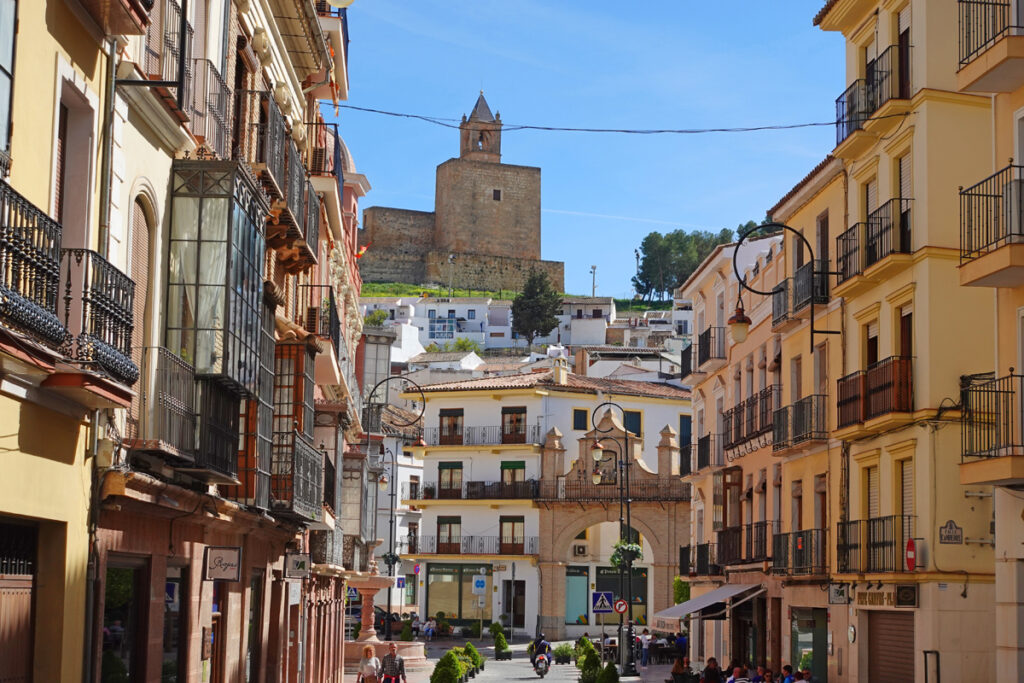
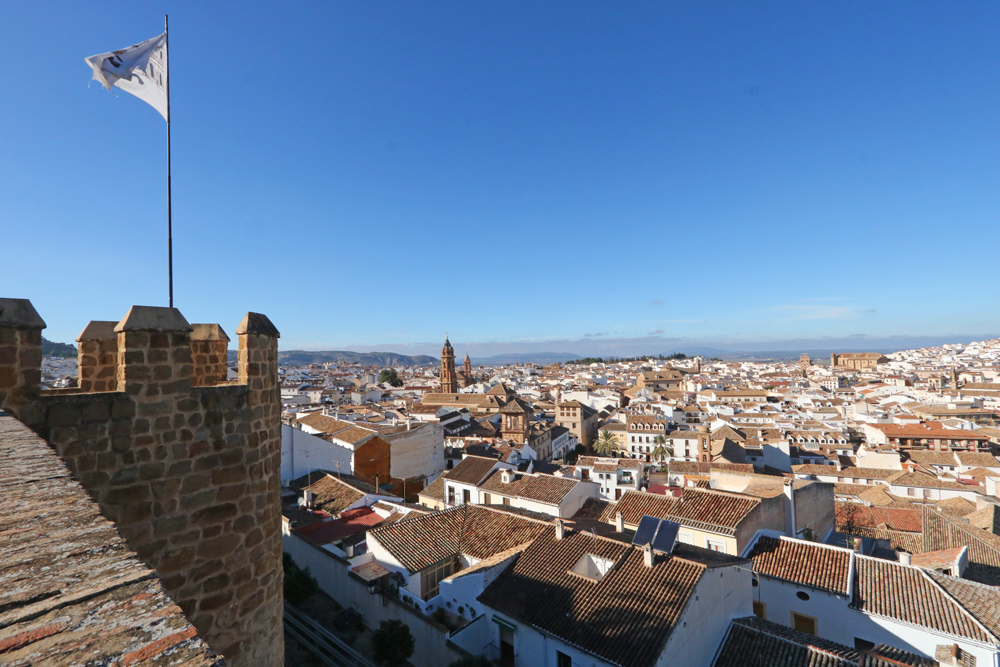
What to See: the spectacular fortress overlooking the city, some incredible churches, a pretty city center, the UNESCO Dolmens just outside town, lots of spectacular viewpoints, the Torcal de Antequera nature park (in the Sierra de Torcal which loom behind the city).
More: A do-it-yourself walking tour of Antequera
My rating: 8 out of 10.
Ávila
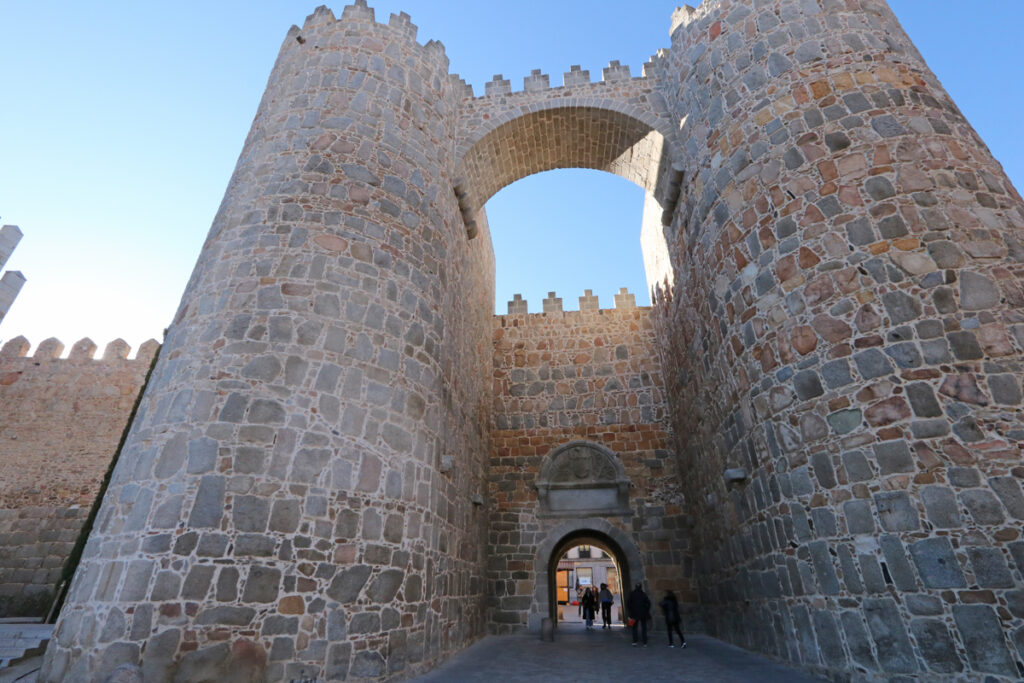
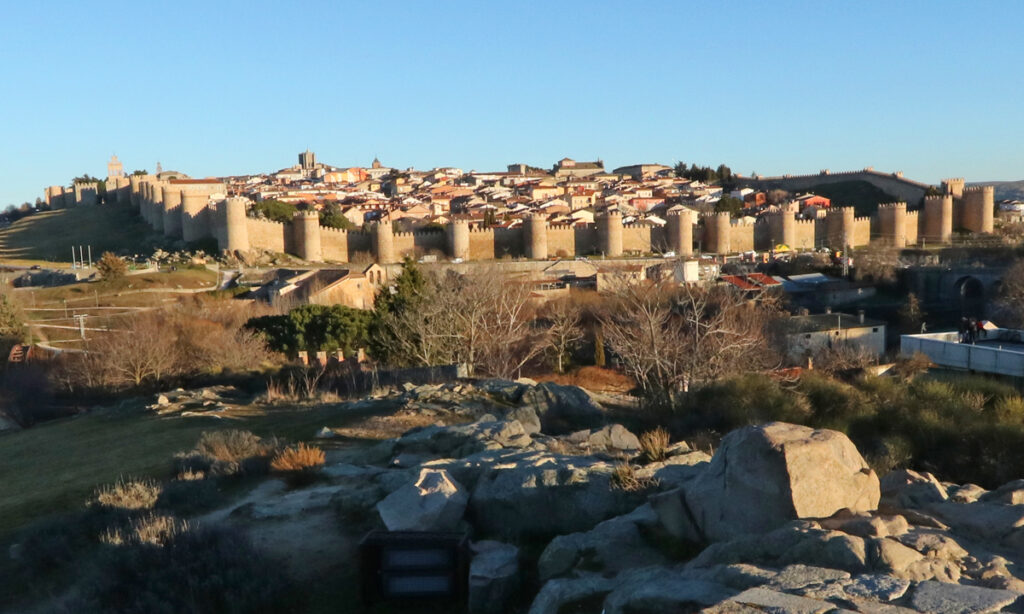
It’s a small city famous for having the best preserved and most complete medieval walls in Spain. The walls circle the whole old town (a total of 2.5 km) rising to an average height of 12 meters. It makes Ávila a UNESCO World Heritage Site and a popular day trip from Madrid.
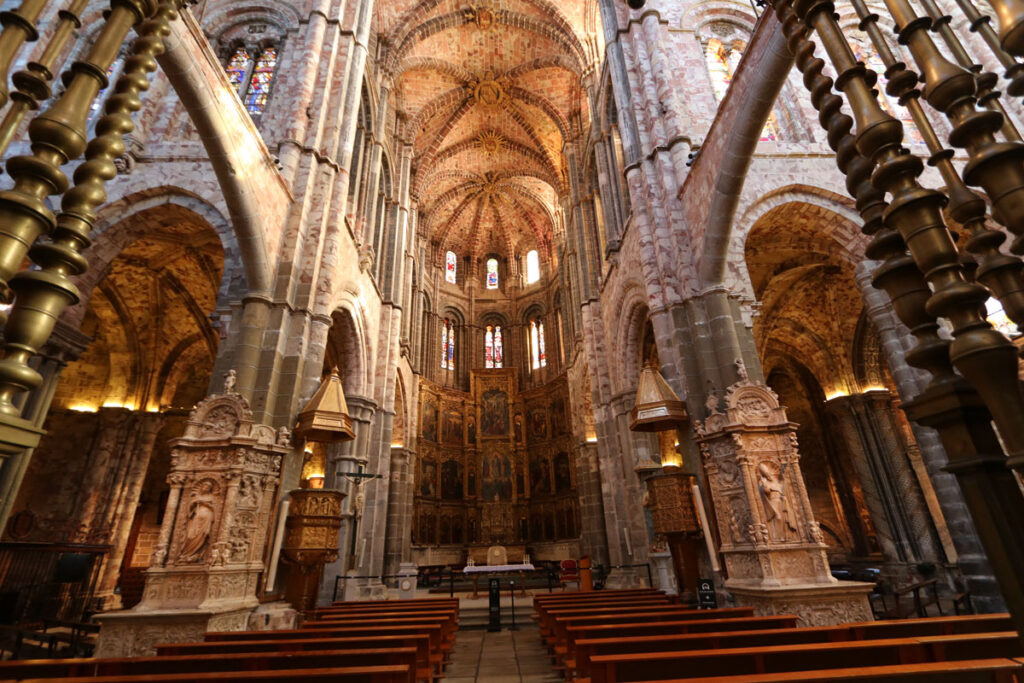
The two top things to do include walking the walls of the city and visiting Ávila Cathedral (the oldest Gothic cathedral in Spain). There are some famous churches and convents and the city itself is charming and clean.
Spectacular but small, you can honestly see it all on a day trip (from Madrid or Segovia, both of which I’ll cover further down)
More: What to see in Ávila
My rating: 7 out of 10
Spanish cities starting with “B”
Barcelona
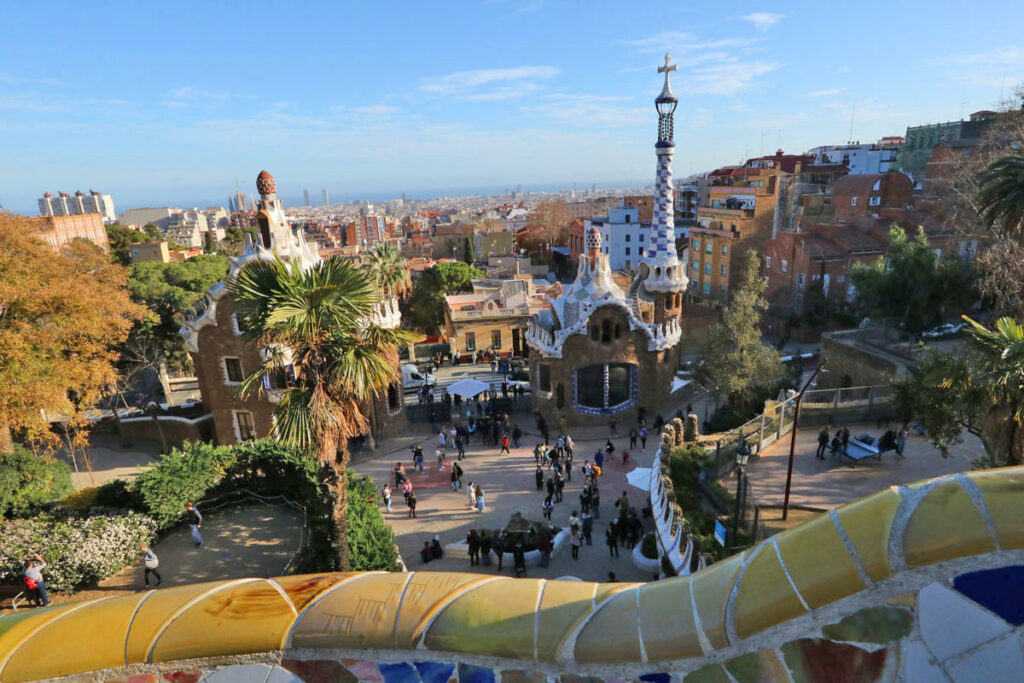
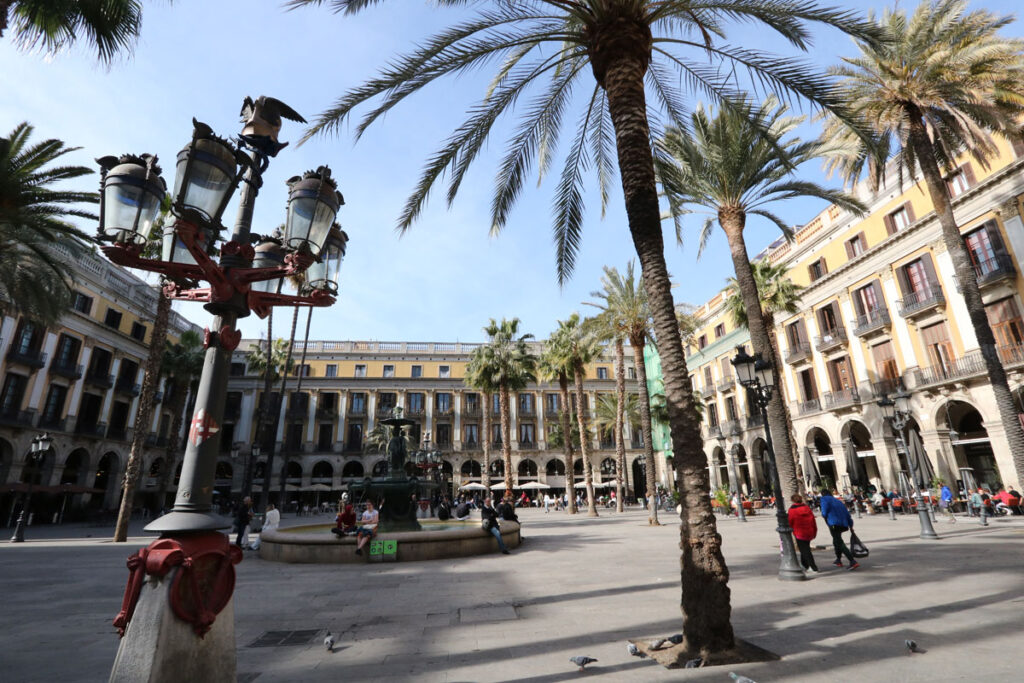
The most overrated city in Spain. I have a strong dislike for Barcelona between the hordes of tourists, the cost (the most expensive tourist sites in Spain), the dirtiness, the scammers and pickpockets and – dare I say it – the overrated highlights.
I get into detail in this post telling you why I think Barcelona is overrated.
Some people will appreciate Barcelona more than me: the modernist architecture (some of which is very impressive), the Sagrada Familia, the historic Gothic quarter and the Born district, the Art Nouveau/Modernist L’Eixample Neighbourhood.
I’ve written about Barcelona’s highlights here.
My rating: 7 out of 10. I realize that I’m biased and that most people won’t agree with me on this one.
Benidorm
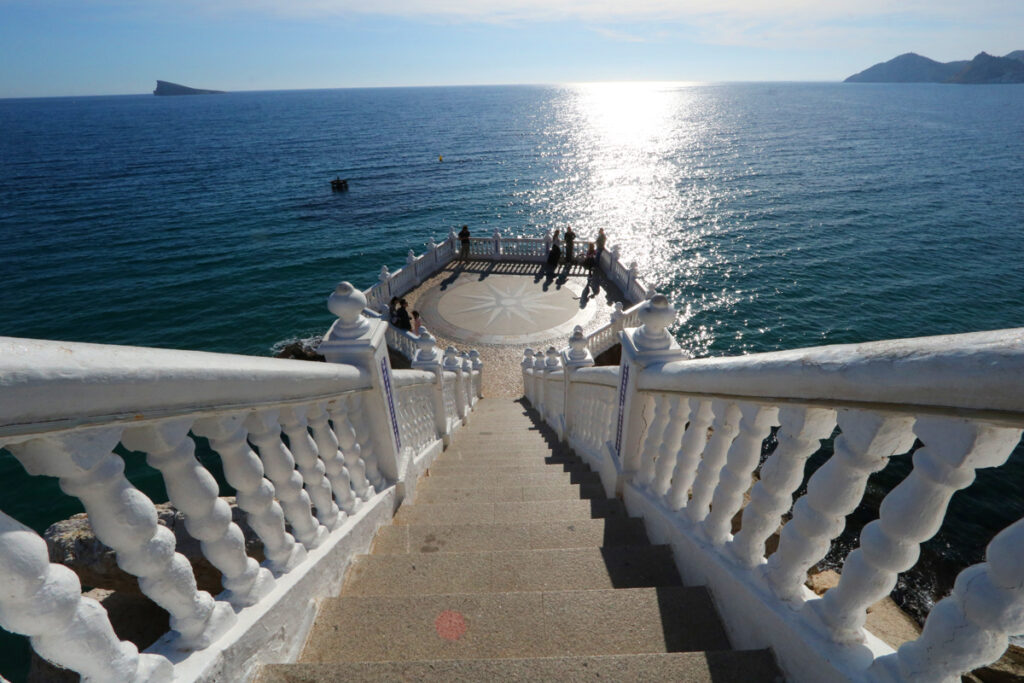
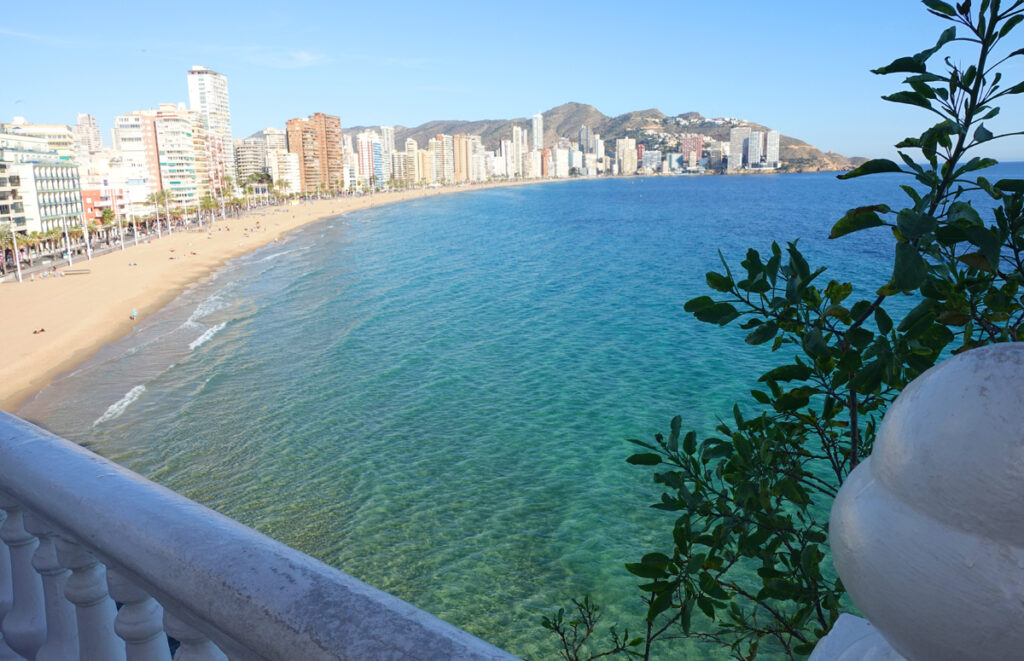
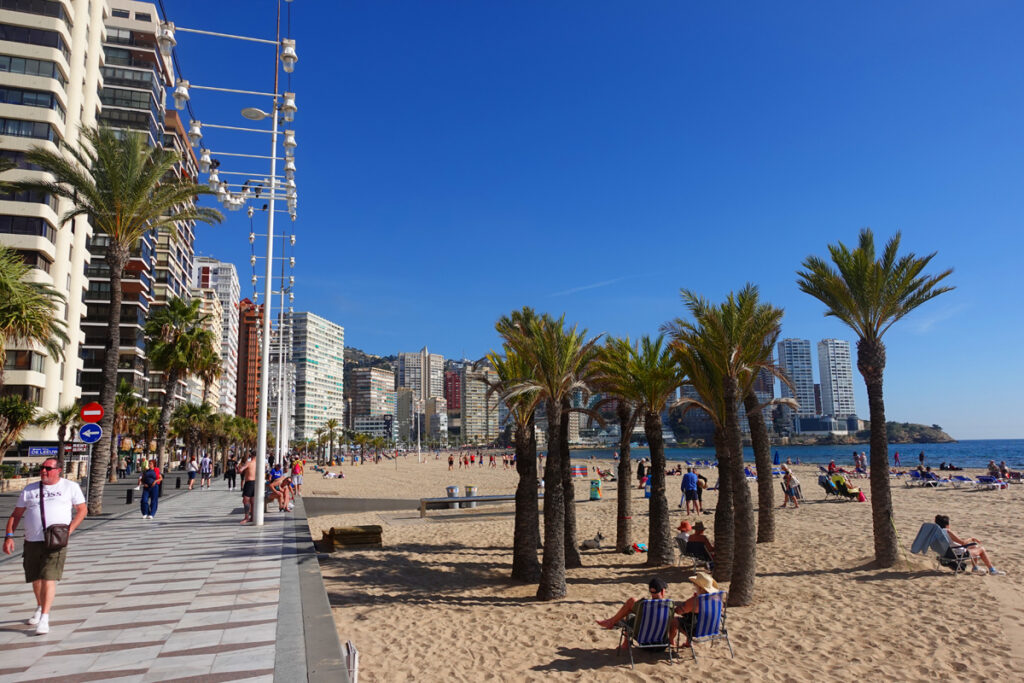
Most people crap on Benidorm. Yes, it’s loud, tacky, full of drunk tourists. It’s not the real Spain. It’s a coastal Las Vegas. It is the Costa Blanca version of the Costa del Sol’s Torremolinos.
We stayed in Benidorm for 4 days and actually enjoyed it between the promenade, beaches, and many restaurants and bars. The city is clean and well laid out. It also made for a good base to visit nearby Villajoyosa, Alicante, Altea, Calpe or inland to Guadalest. It’s practical.
The other good thing about Benidorm is that even in February it was bustling. We were in Calpe for a few days after Benidorm and it was so dead that we actually missed Benidorm.
More on Benidorm: Benidorm as a base on your Costa Blanca vacation.
My rating: 5 out of 10. There’s nothing really to Benidorm. But it is what it is and if that’s all you want then that’s ok (if you know what I mean 😊)
Burgos
A historic city in Northern Spain and an important stop on the Camino de Santiago (the Way of Saint James in English), the pilgrimage trail to Santiago de Compostela.
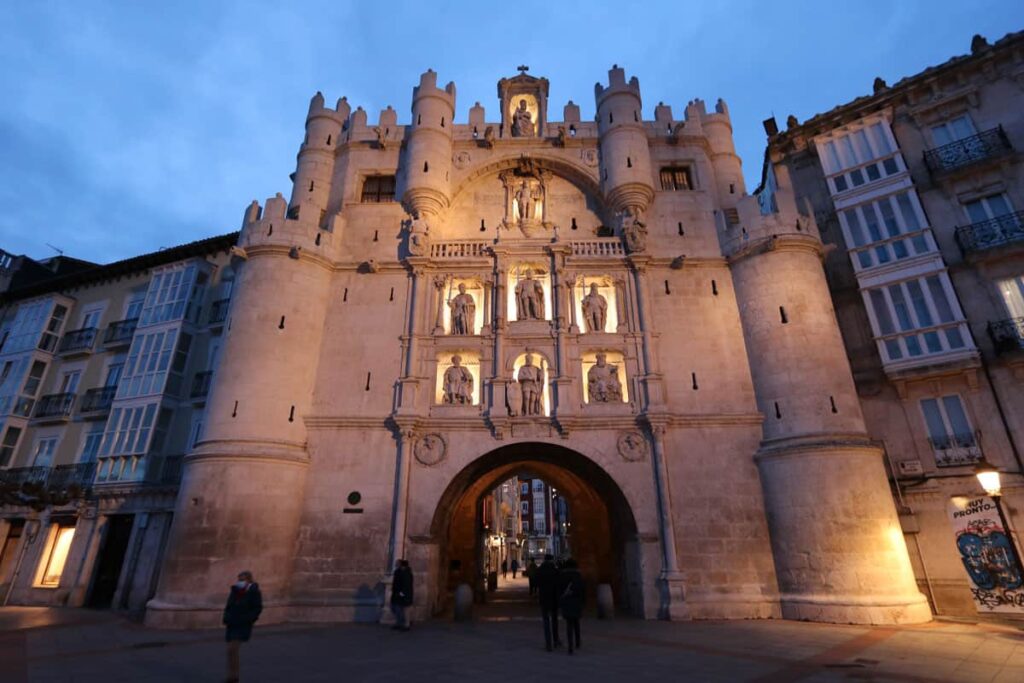
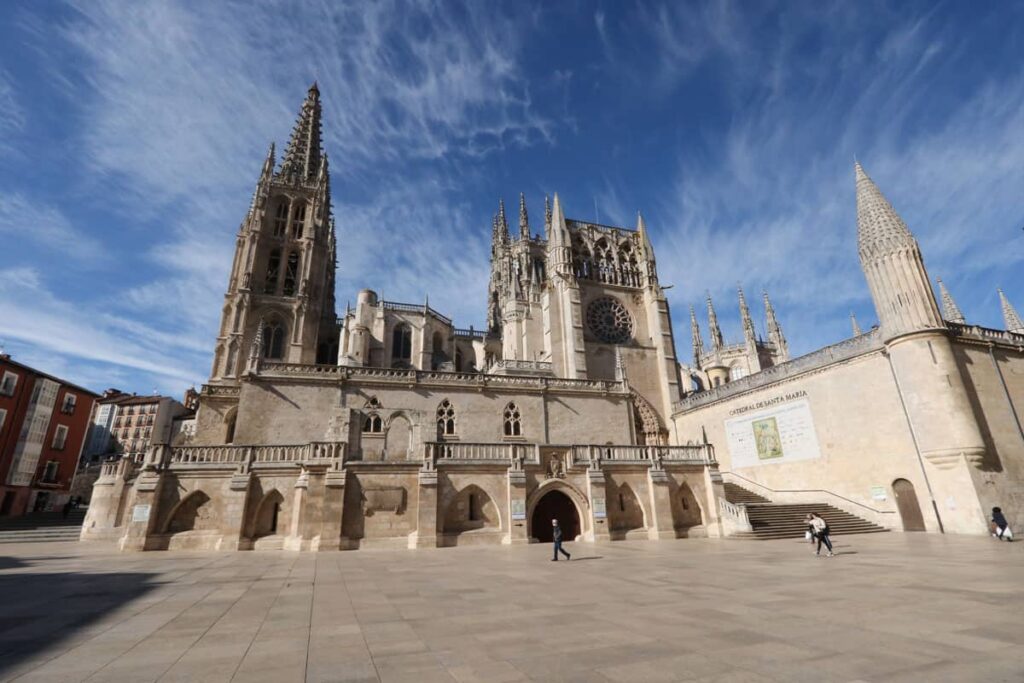
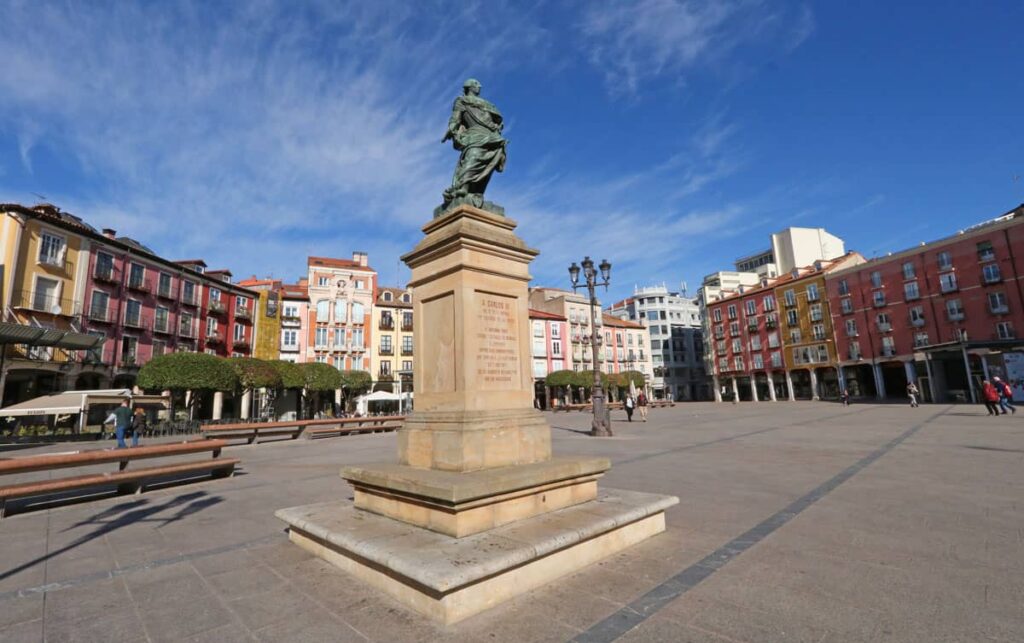
It’s one of the prettiest cities we’ve seen in Spain. The highlight is without a doubt the Burgos Cathedral, one of the most decadent Cathedrals in Spain. It is in the center of a beautiful old town full of colourful squares and buildings and a beautiful promenade (Paseo del Espolón). Up a hill is the Mirador de Castillo (there are ruins of a castle here) where there are great views over town.
More: Visiting the beautiful city of Burgos
You just need a couple of days to see the highlights but you can’t be disappointed with Burgos, it is a stunning city full of history. The people are friendly, streets are clean. One of the most underrated cities in Spain.
My Rating: 8 out of 10.
Spanish cities starting with “C”
Cadiz
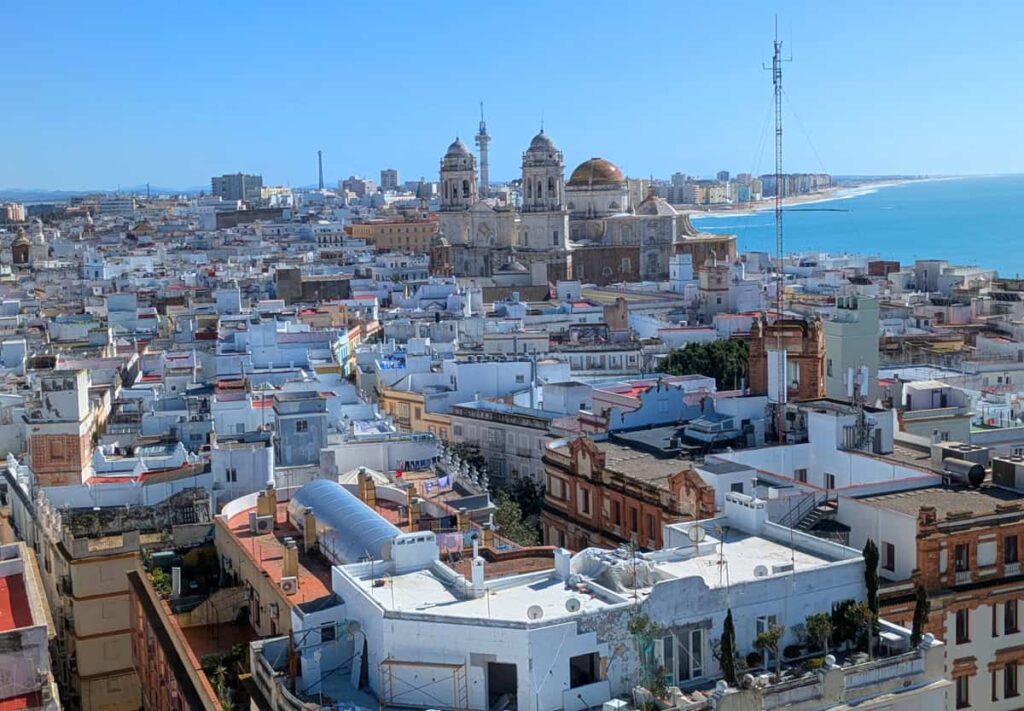
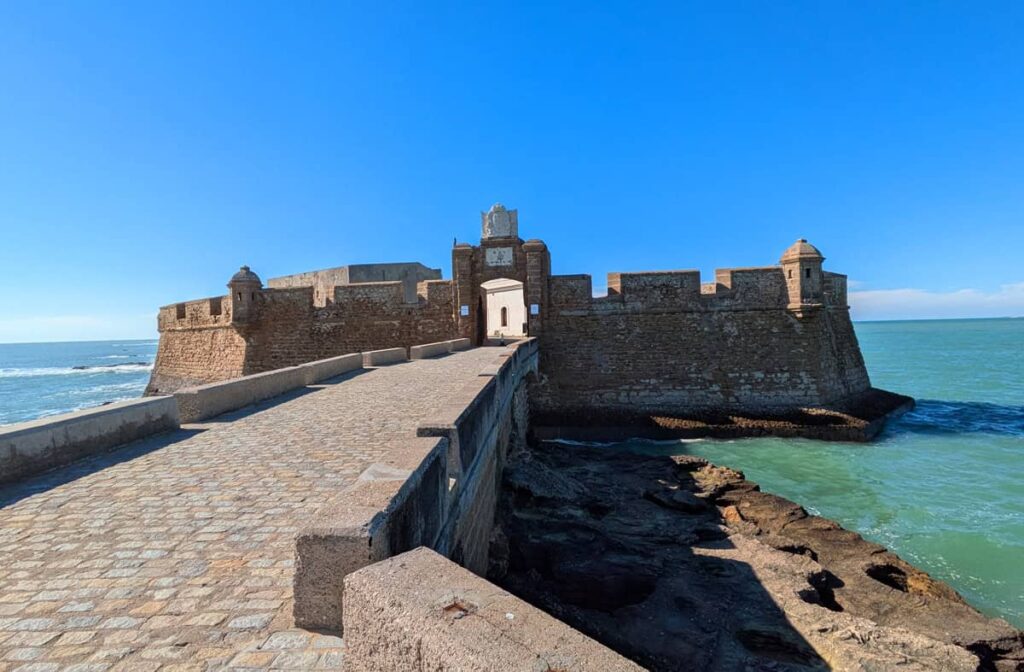
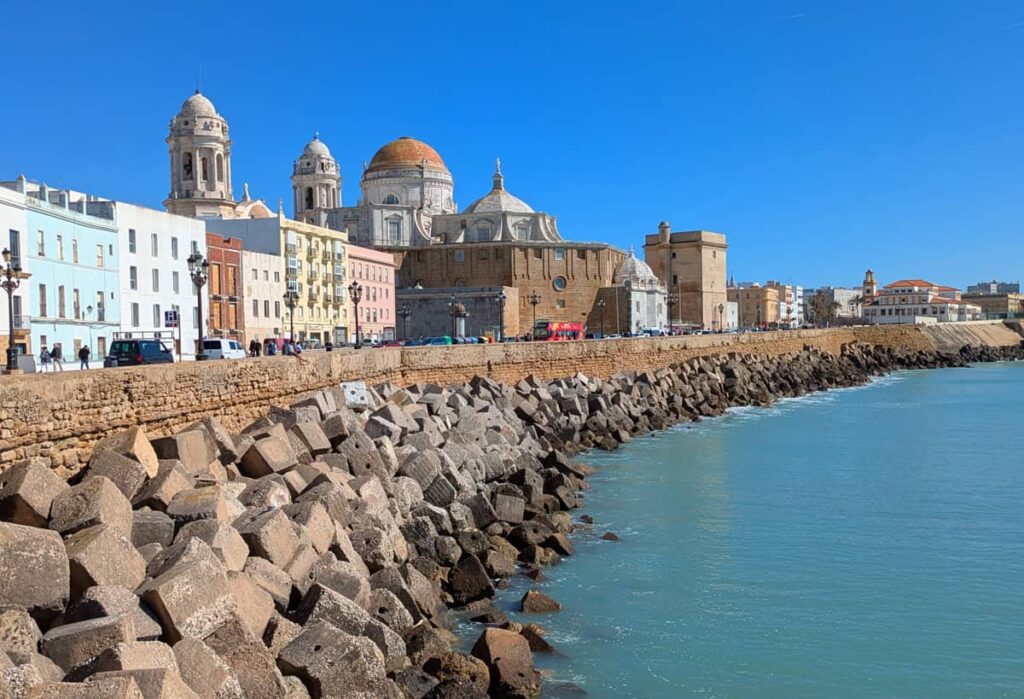
With mansions and palaces from its golden age, Roman remains, city walls and fortresses, and a huge 17th century cathedral – all with the Atlantic Ocean and white sand beaches as a backdrop – we expected to be impressed by Cadiz.
We were underwhelmed by Cadiz. It was packed with tourists, felt dirty and the highlights are (in our opinion) underwhelming.
In my opinion, Cadiz is worth a day trip and nothing more.
More: What to See (and what to skip) in the city of Cadiz
My rating: 7 out of 10. Still a good score but after all the fanfare we just expected to be more impressed.
Cartagena
One of the ugliest and seediest cities in Spain. Parts of it look like an inner-city ghetto. We stayed 3 nights here and it was a big mistake.
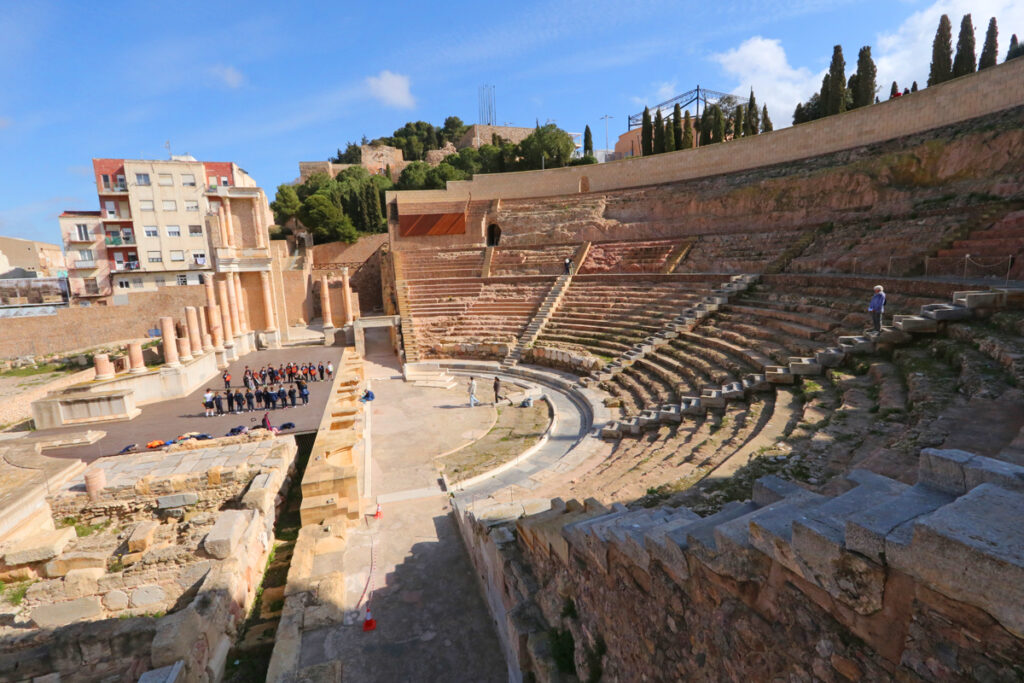
On the other hand: Cartagena is a city full of Roman ruins, the port is nice and it has a couple of pretty streets. It is a major cruise stop and for the majority of people, if they don’t scratch below the surface, Cartagena is just fine.
More: What to see in Cartagena Spain (and some money saving tips)
My rating: 5 out of 10. That’s sacrilegious considering the history and the potential of this city. If you’re going to come here, do so on a day trip.
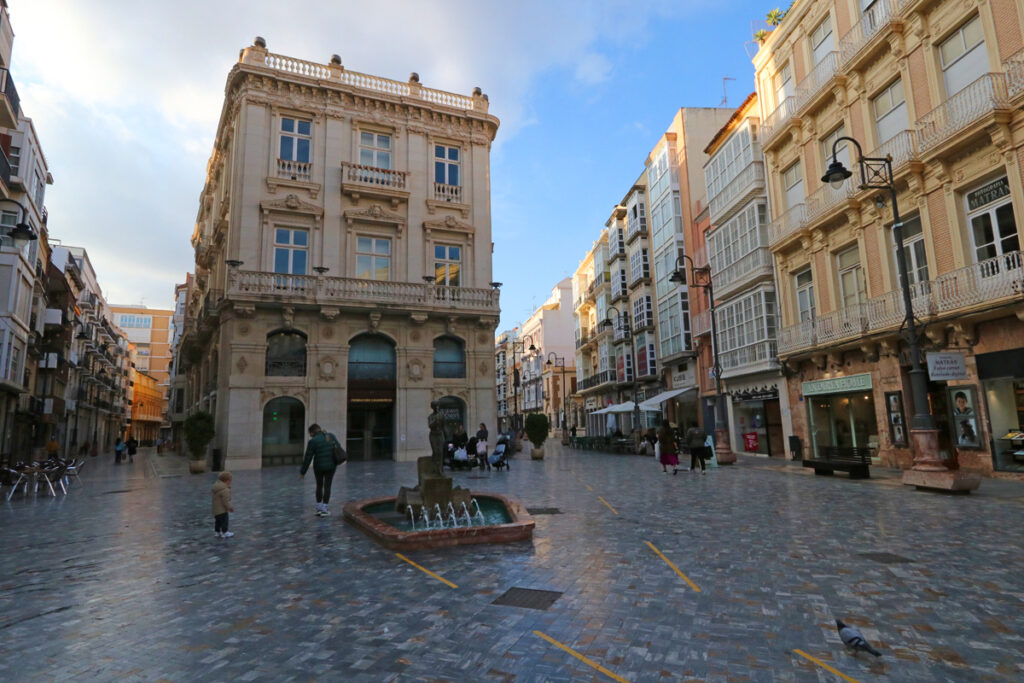
Córdoba
One of the great historic cities of Spain. We’ve come here many times and never get bored, there are lots of spectacular highlights.
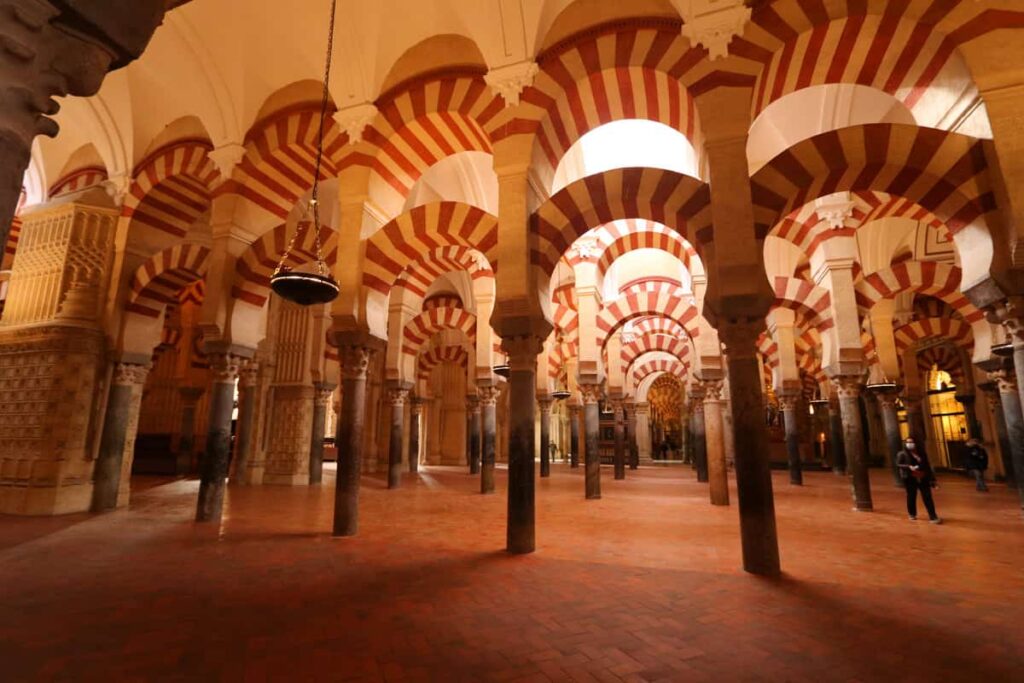
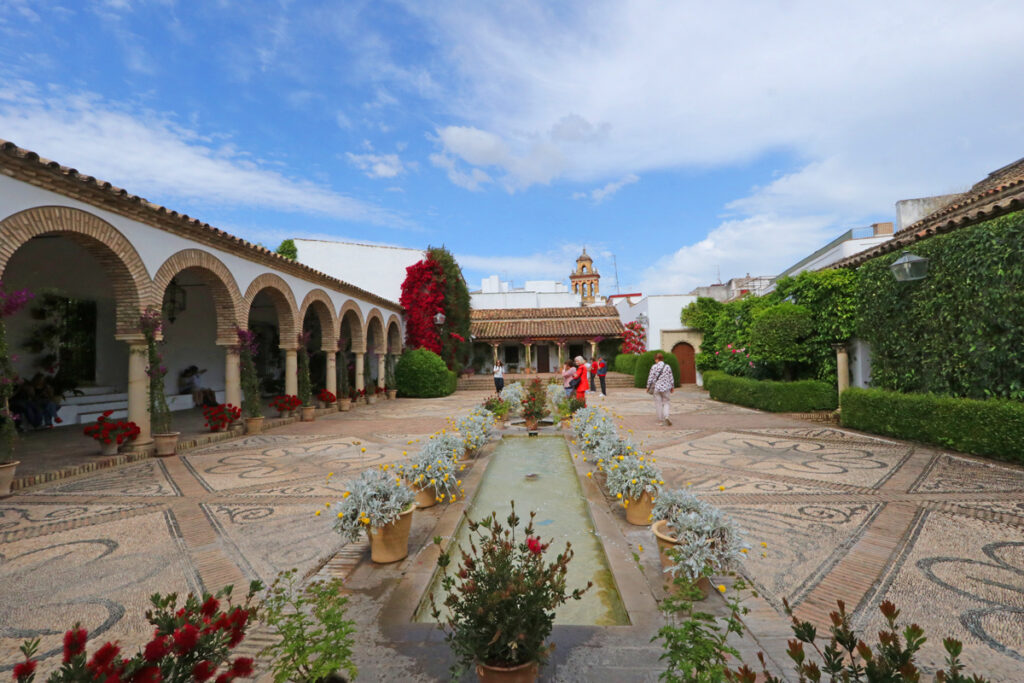
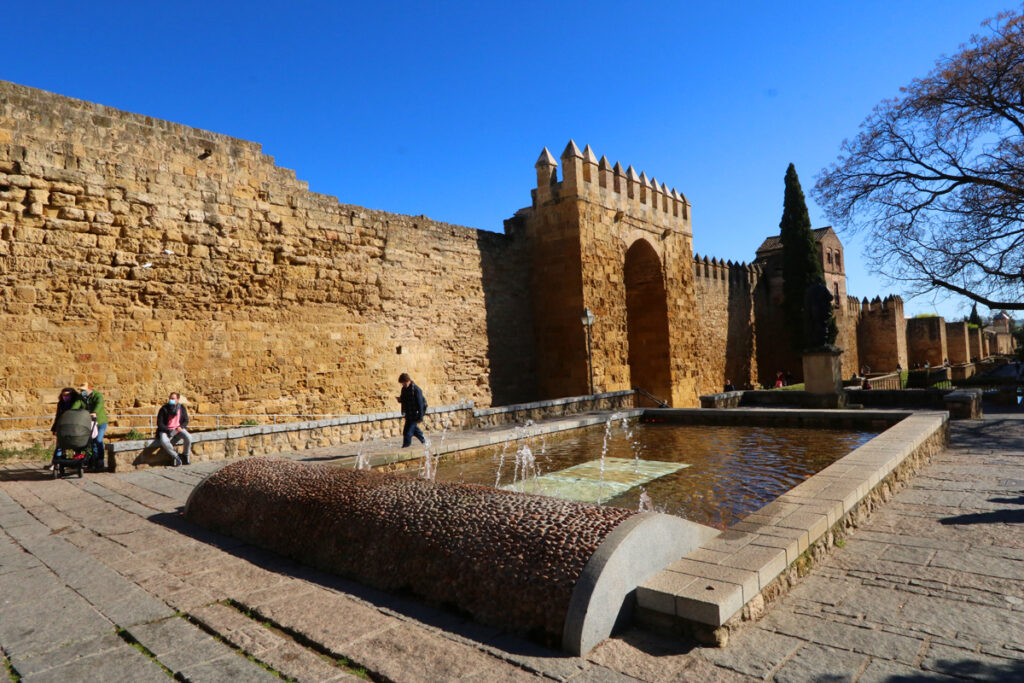
The Mezquita is, in my opinion, the most stunning attraction in all of Spain. There’s the Alcázar of Córdoba (where the Catholic Monarchs met Christopher Columbus), The Roman Bridge, the Juderia and the and the Palacio de Viana. If you come in May there is a flower/courtyard festival called the Patios of Córdoba. Just outside the city is Almodóvar Castle and Medina Azahara, a new city built meant to be the center of the Islamic world.
Córdoba is a place you could easily spend a week discovering.
More: What to Do in Córdoba
My Rating: 9 out of 10.
Spanish cities starting with “E”
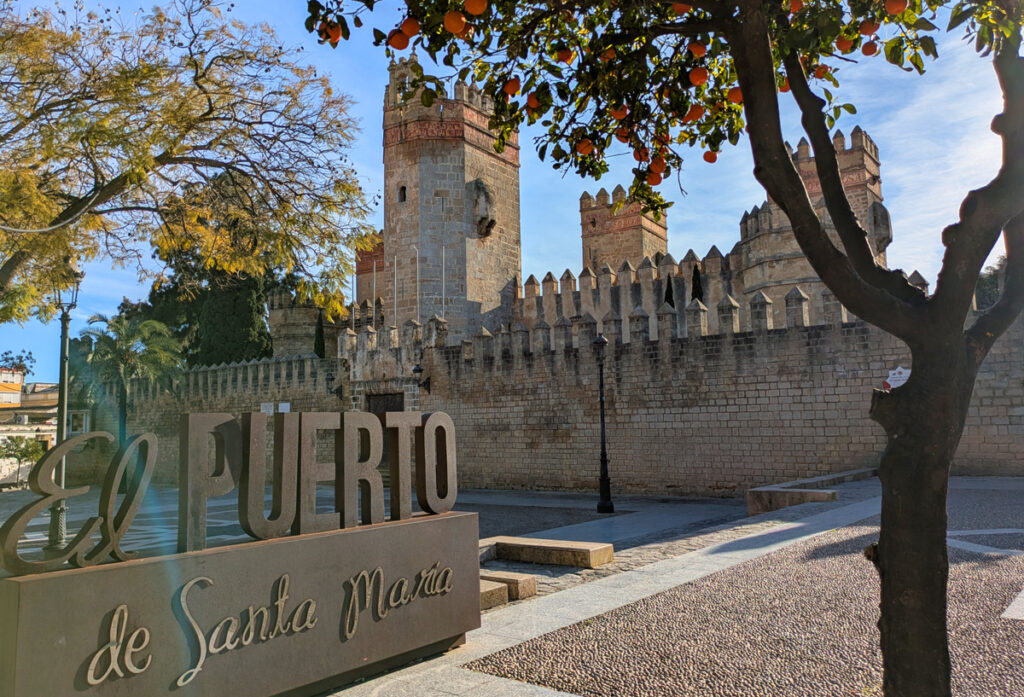
El Puerto de Santa María
We stayed 2 weeks using “El Puerto” as a base in the Cadiz area. It made for a perfect, off-the-beaten-path place to discover the region.
See this post on Why we chose El Puerto de Santa Maria as a base instead of Cádiz.
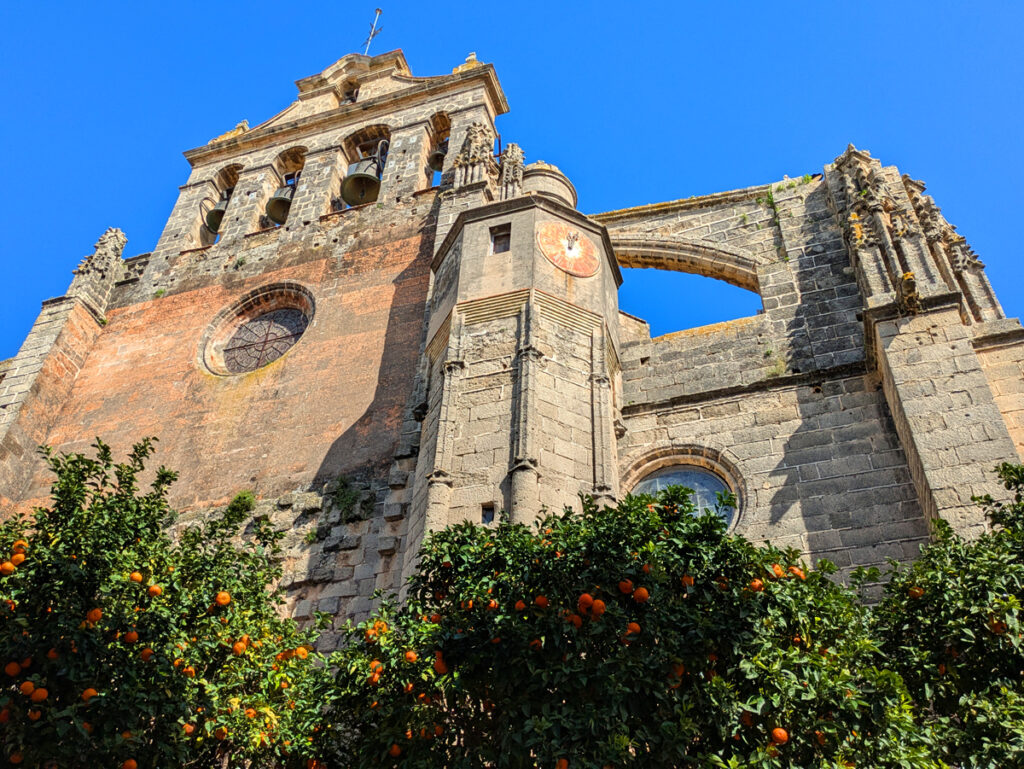
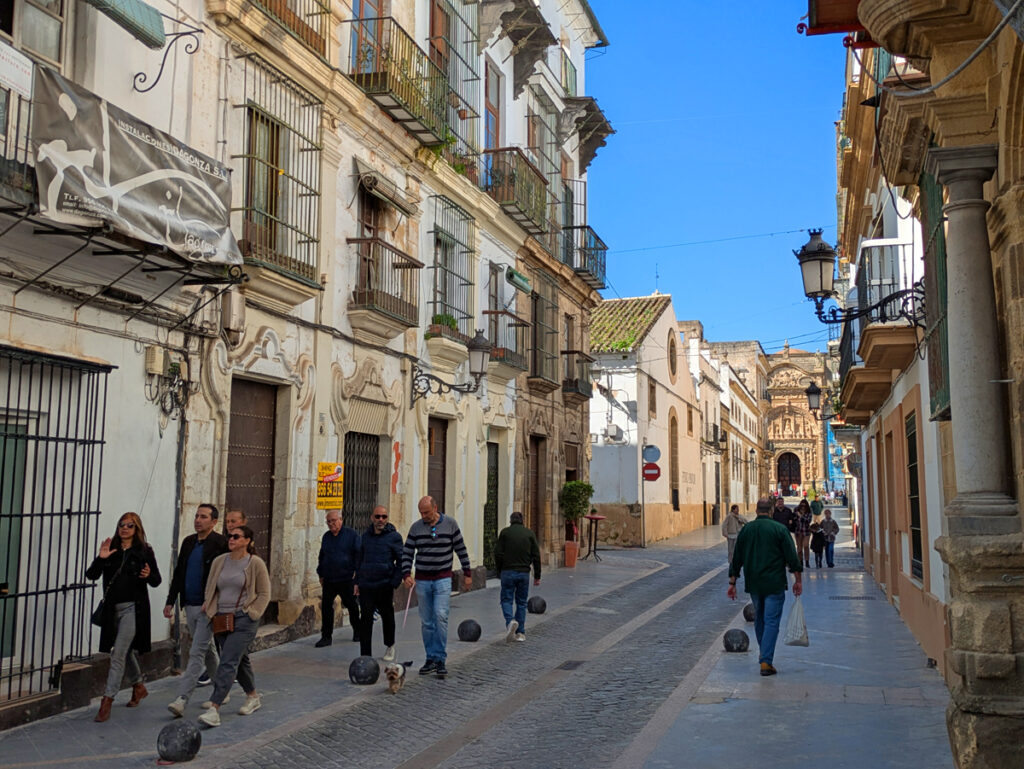
El Puerto de Santa María itself is genuine and unpretentious with a castle, old church, and many old palaces. But while it made for a good (and inexpensive) base for us, for the average tourist visiting Spain it might just be too faded and crumbling.
My rating: 5 out of 10 (for the reasons above)
Spanish cities starting with “G”
Girona
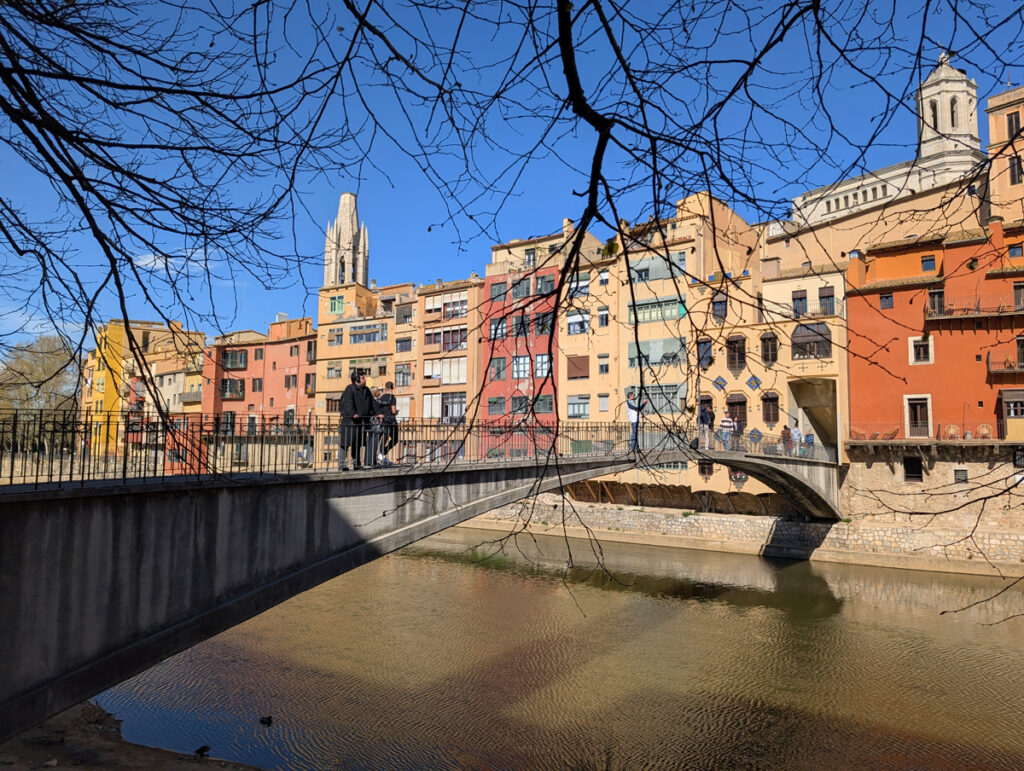
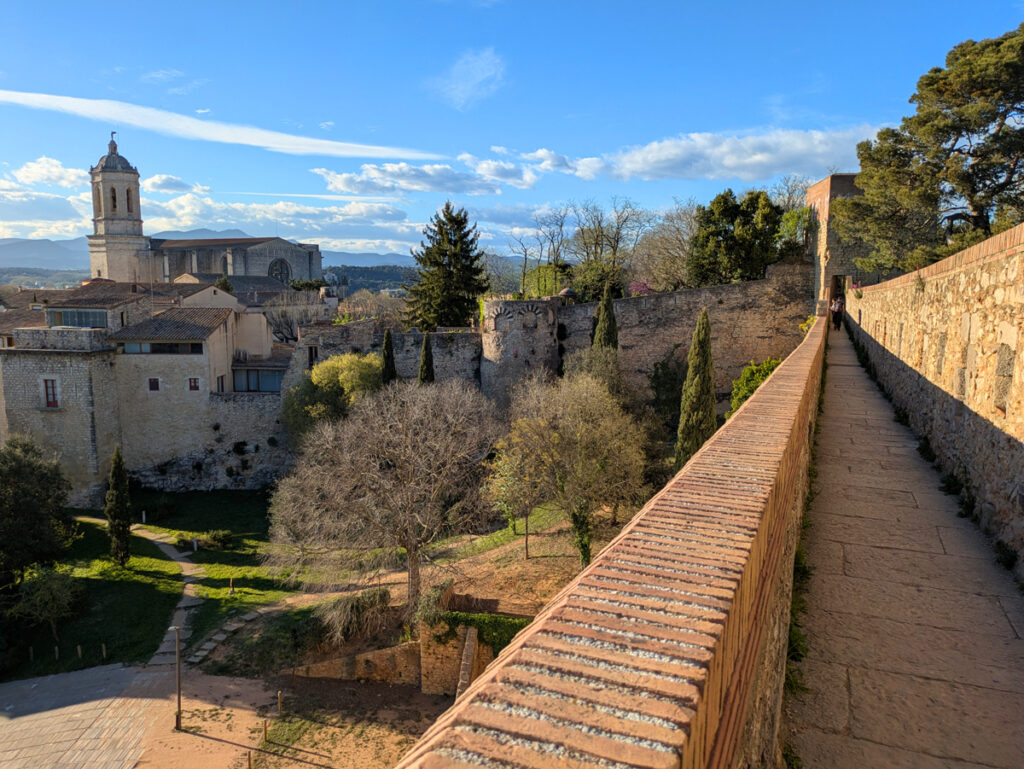
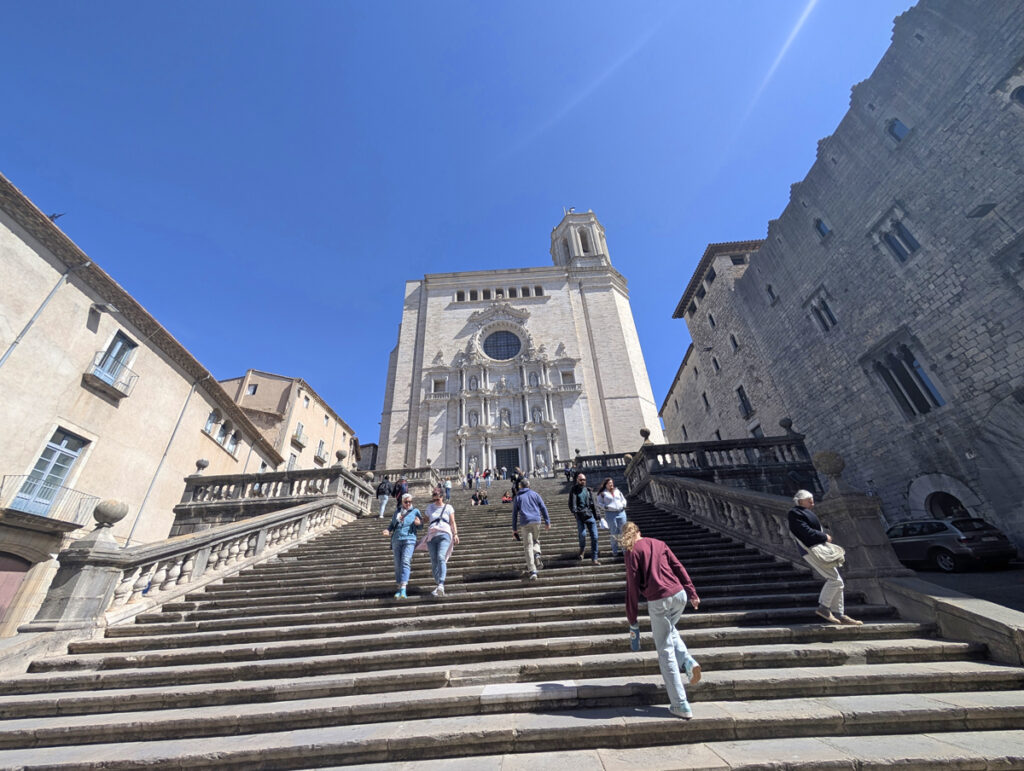
Less than an hour from Barcelona, this is one of Spain’s most beautiful cities. A clean city with cobblestoned streets, medieval walls and a river with romantic bridges and pastel-coloured houses. There are beautiful churches, some dramatic architecture (there are several Game of Thrones filming locations) and lots of greenery. It’s a city meant for walking.
It’s not a big city and if in a rush you can see the highlights in a day. We were there 3 days and really enjoyed the peacefulness and beauty of the city.
More on Girona: One of Spain’s most beautiful cities
My Rating: 8 out of 10
Granada
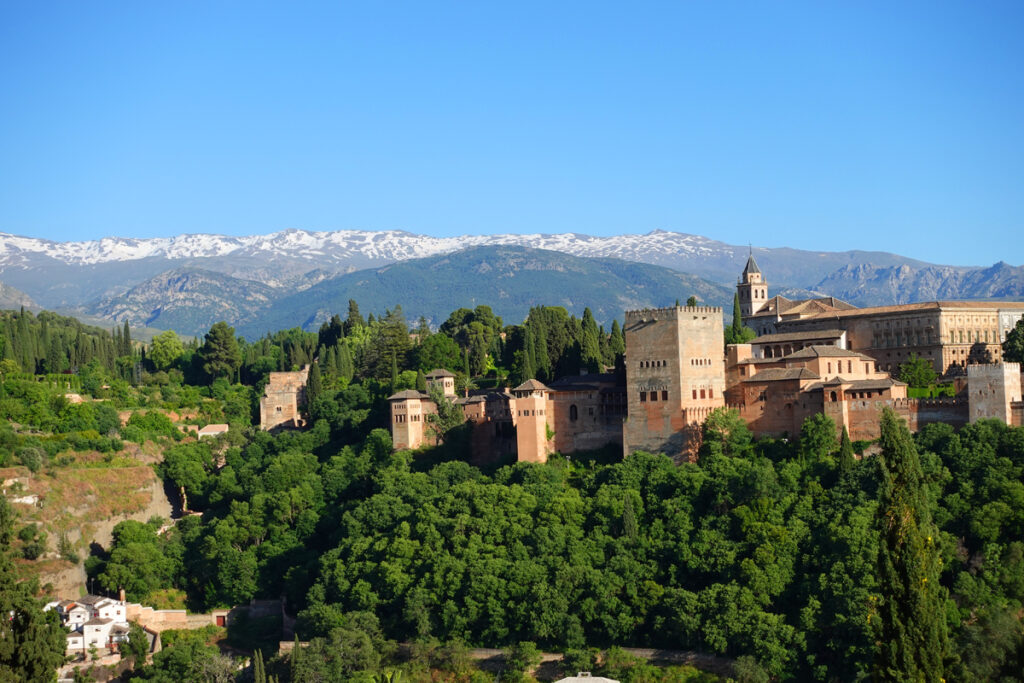
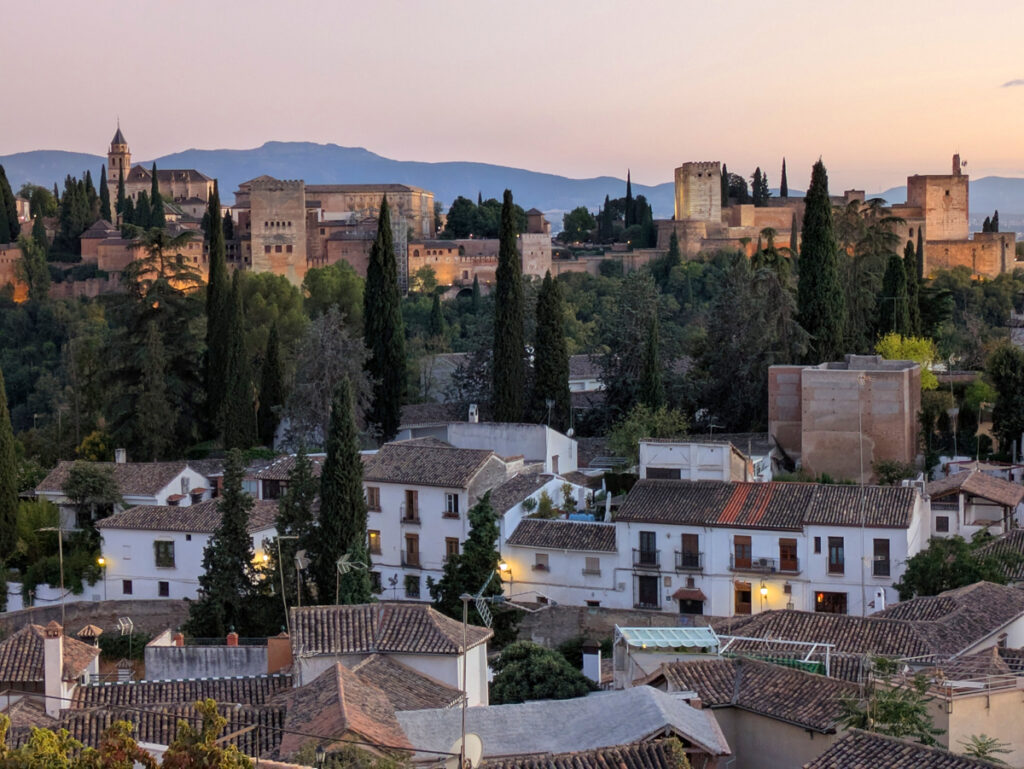
Granada, the last Muslim stronghold in Iberia and home of the Alhambra, one of Spain’s most incredible cities.
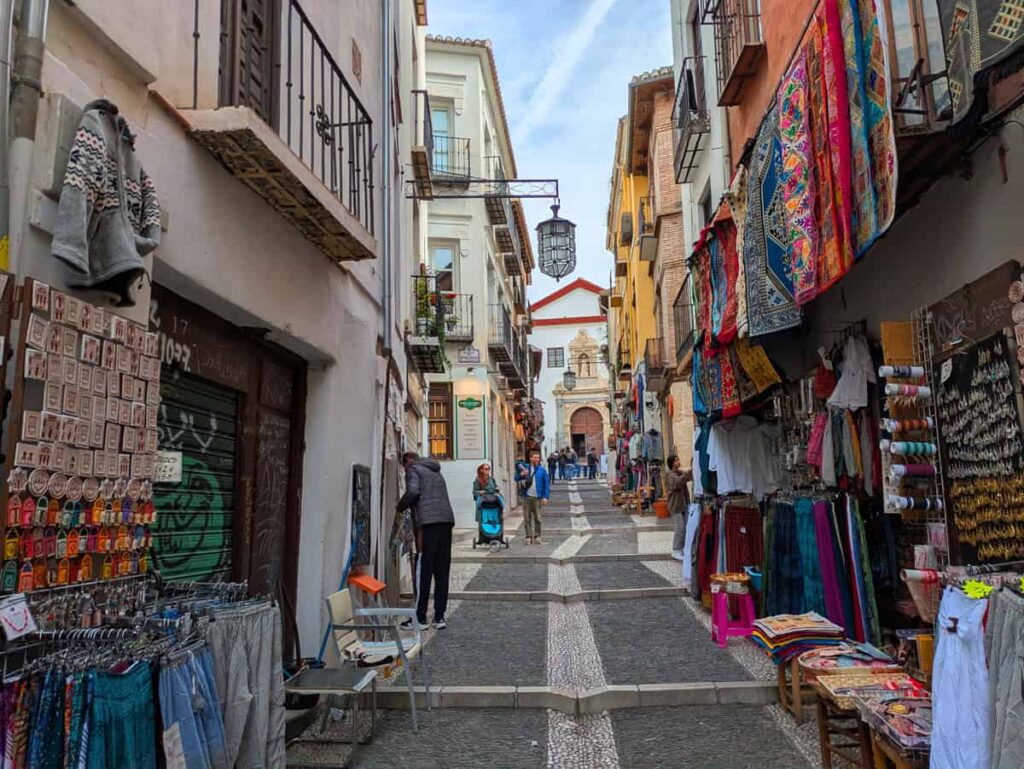
We lived in Granada almost 2 years. People come to Granada for the Alhambra and the Albaicin but there is much, much more to see including incredible viewpoints and scenic walks. Granada is as much about the geography surrounding the Alhambra as it is about specific attractions. Ideally, I’d recommend 3 days for the average traveller….but you could easily spend a week in Granada if you really wanted to explore it in depth.
This post highlights the 20 Best Things to See and Do in Granada.
My Rating: 10 out of 10. It’s a must-see destination for anyone coming to Spain.
Spanish cities starting with “J”
Jaén
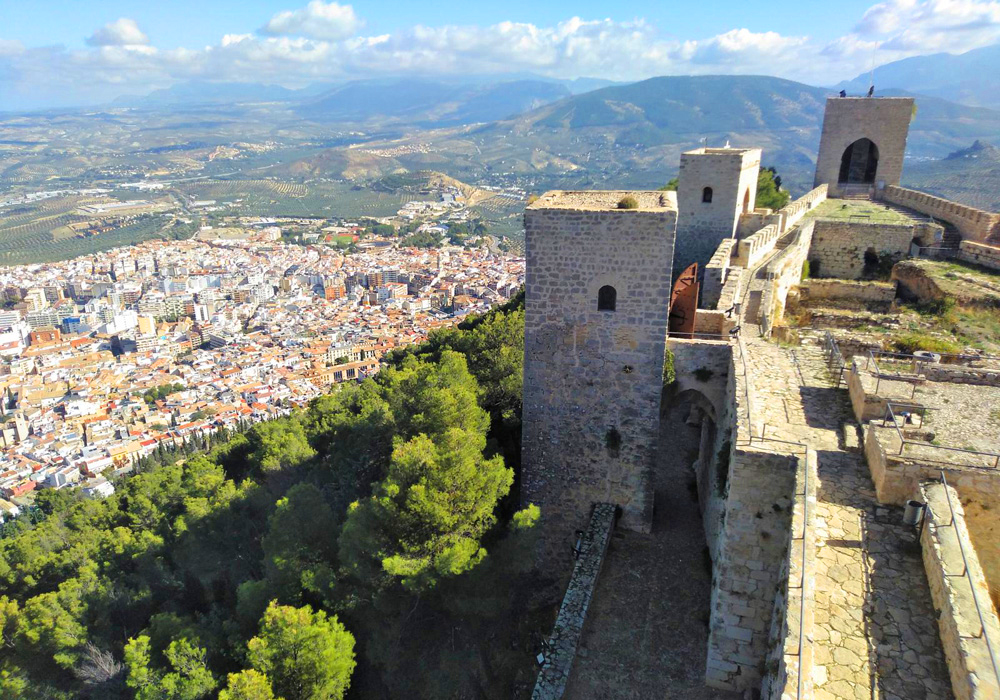
I’ve previously mentioned Antequera. Jaén is another of those underrated Andalusian cities that get few tourists. Jaén is known as the World Capital of Olive Oil, you’ll see olive trees all over the hills of the region. The geography is in fact quite dramatic with lots of precipitous peaks, including a mountain looming over the city where you’ll find the Castle of Santa Catalina (a “must”: the castle has great views of the city and holds the city’s Parador).
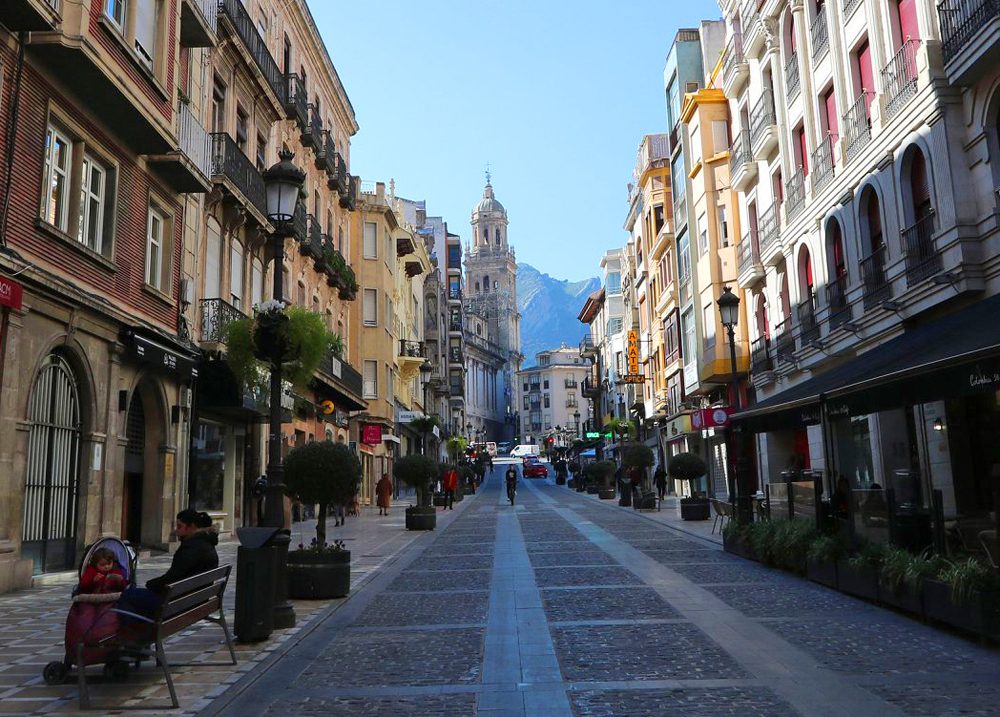
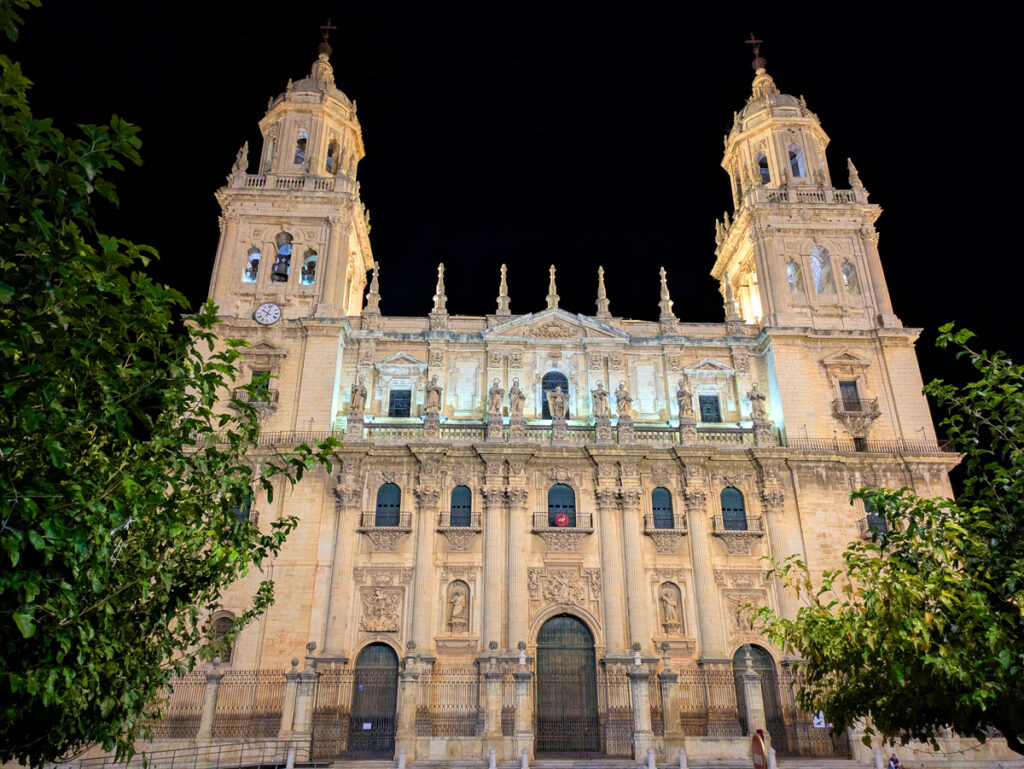
The city has fountains, churches and historical buildings (including a huge cathedral that’s on the tentative list to be a UNESCO world heritage site), Arab baths, and several museums. We’ve had some of our best meals in Jaén.
One of our favorite off-the-beaten-path cities in Spain.
More: The Best of Jaén
My Rating: 7 out of 10
Jerez de la Frontera
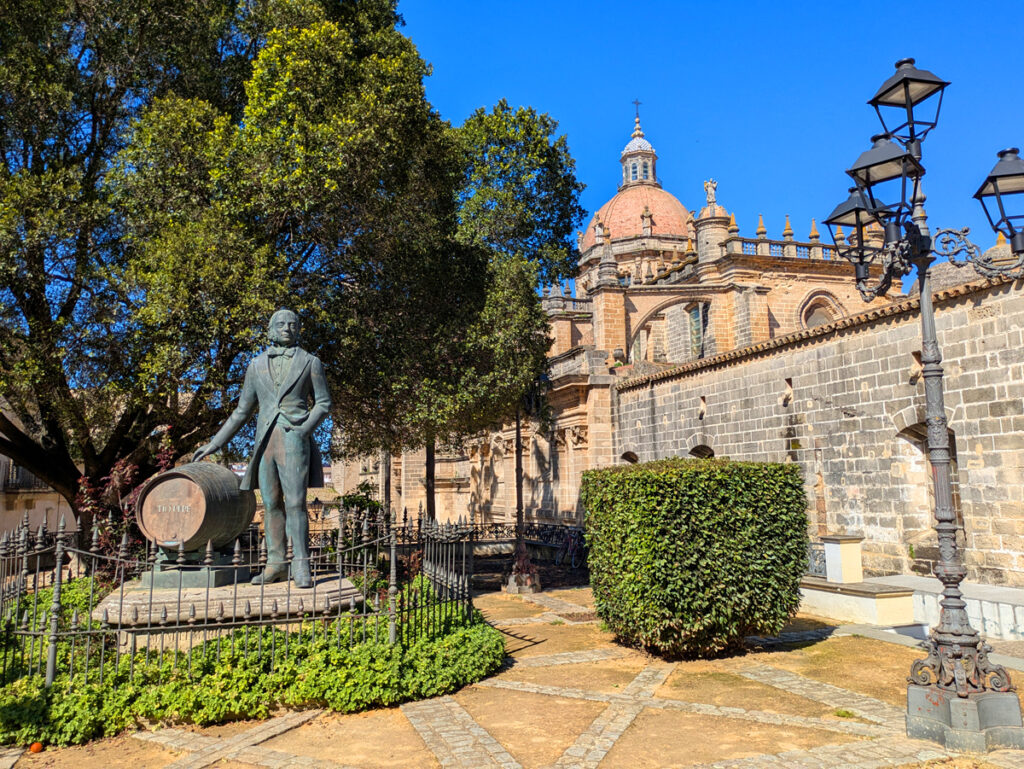
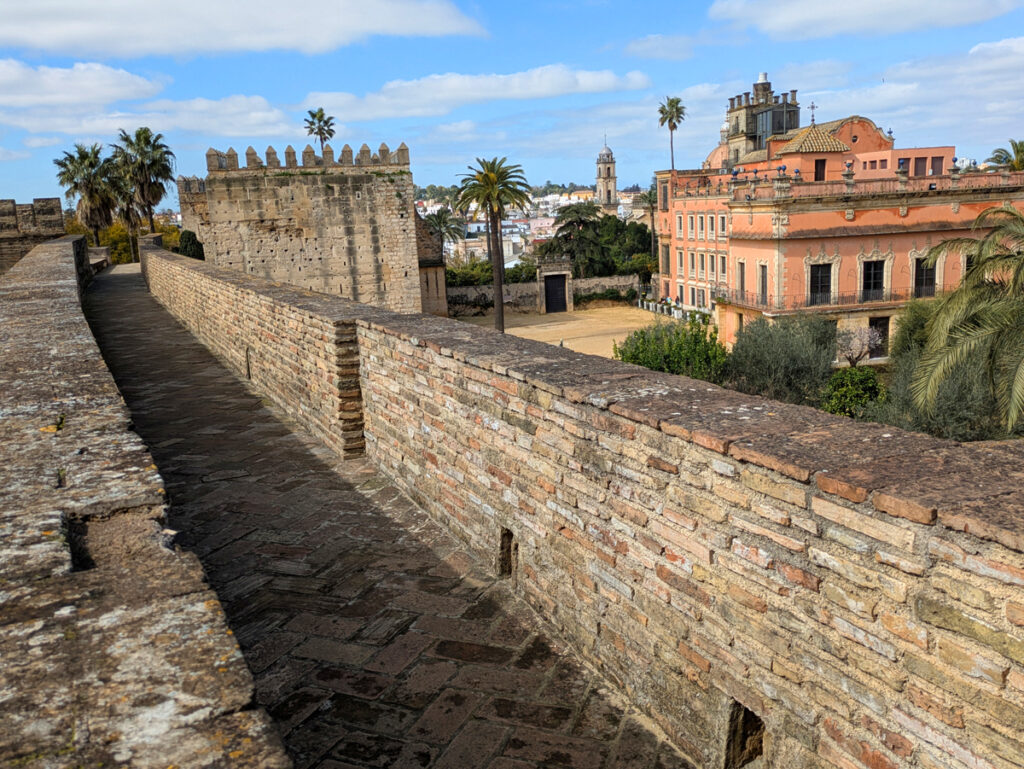
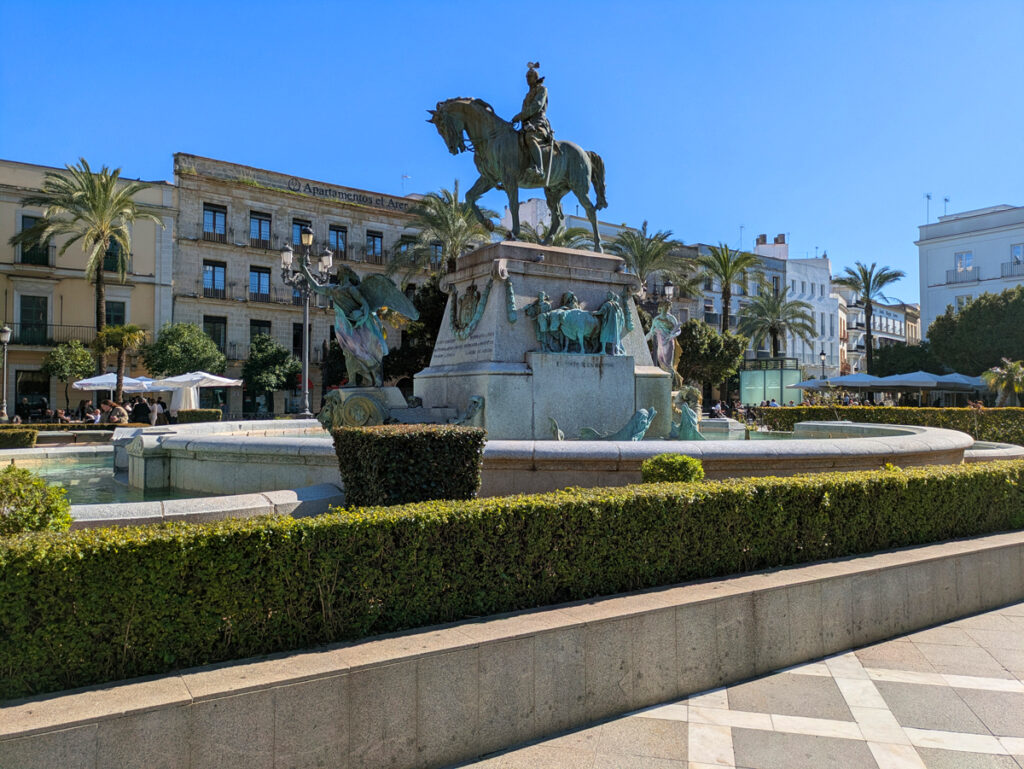
A pretty city famous for Sherry and Equestrian shows. But Jerez is much more than that, I nominated the city as one of Spain’s most underrated cities when writing about it.
None of the city’s highlights rank among Spain’s “A-list” attractions. But you’ll see many B’s and C’s as well as a city that is overall very pretty and a joy to discover. We really liked Jerez.
How much time to spend? You can see the highlights in a day. But we were so drawn to the city that we visited Jerez twice from our base in El Puerto de Santa Maria.
My Rating: 7 out of 10
Spanish cities starting with “L”
León
We were in León when Covid hit – and spent the next 4 months locked down in the city.
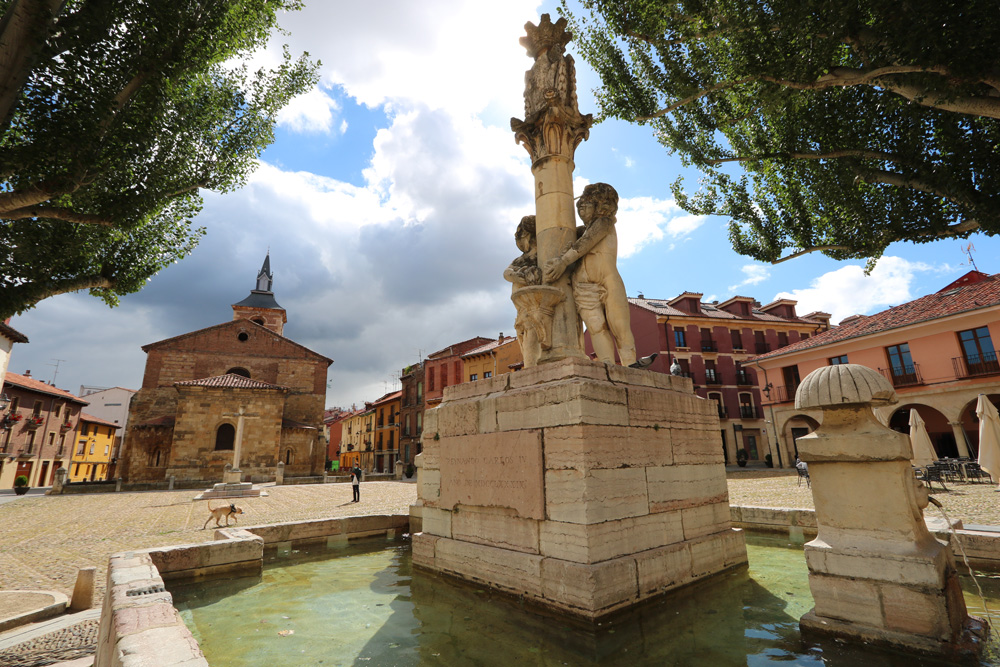
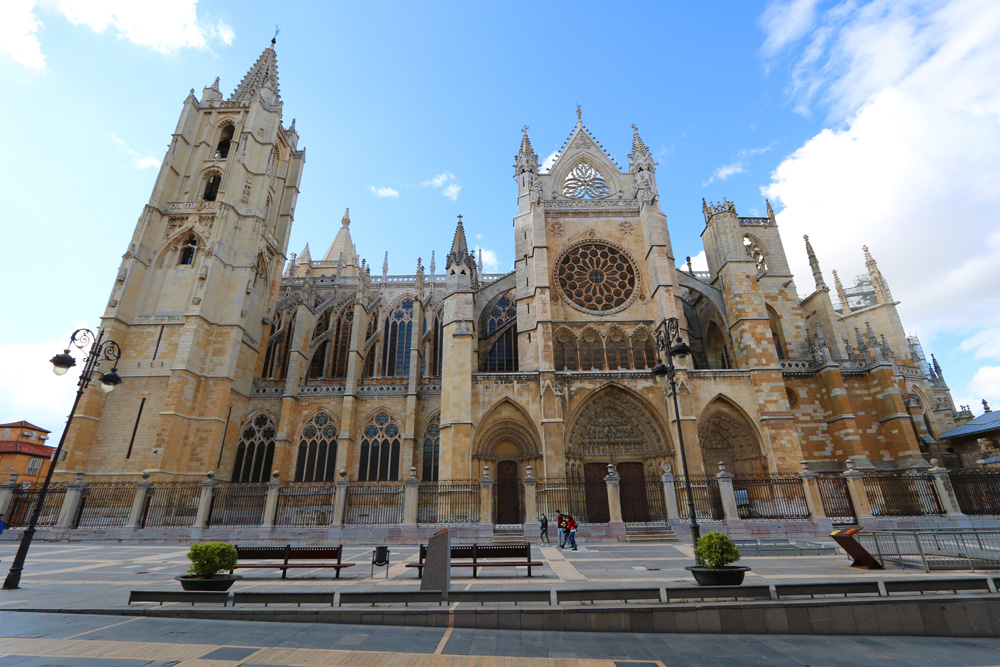
The city is historic with one of Spain’s best Cathedrals (a UNESCO World Heritage Site), convents, churches and beautiful squares made of stones. Parts of the city are still encircled by medieval stone wall and there is a stone bridge that dates back to Roman times. León is a beautiful mid-sized city with lots to see.
More: Highlights of a self-guided walking tour of León
My Rating: 8 out of 10
Spanish cities starting with “M”
Madrid
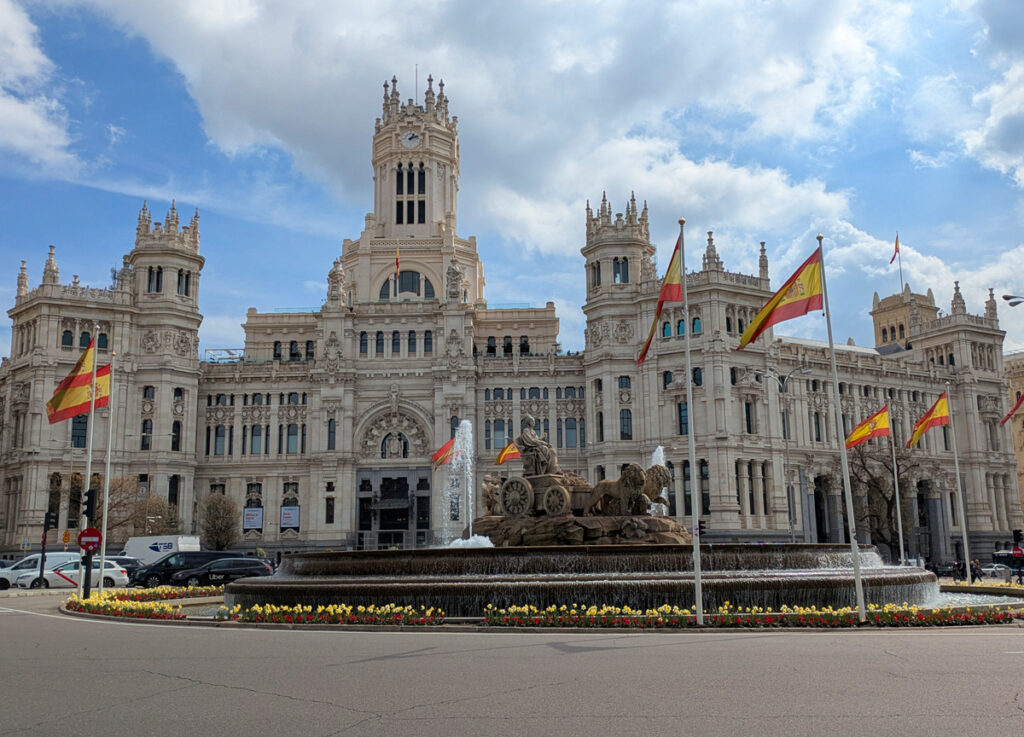
Madrid isn’t about history. It’s a relatively modern city, really only becoming significant in 1561 when the Royal Court moved from Toledo to Madrid. Madrid isn’t the place to see old Cathedrals, churches, medieval walls, Roman aqueducts etc.
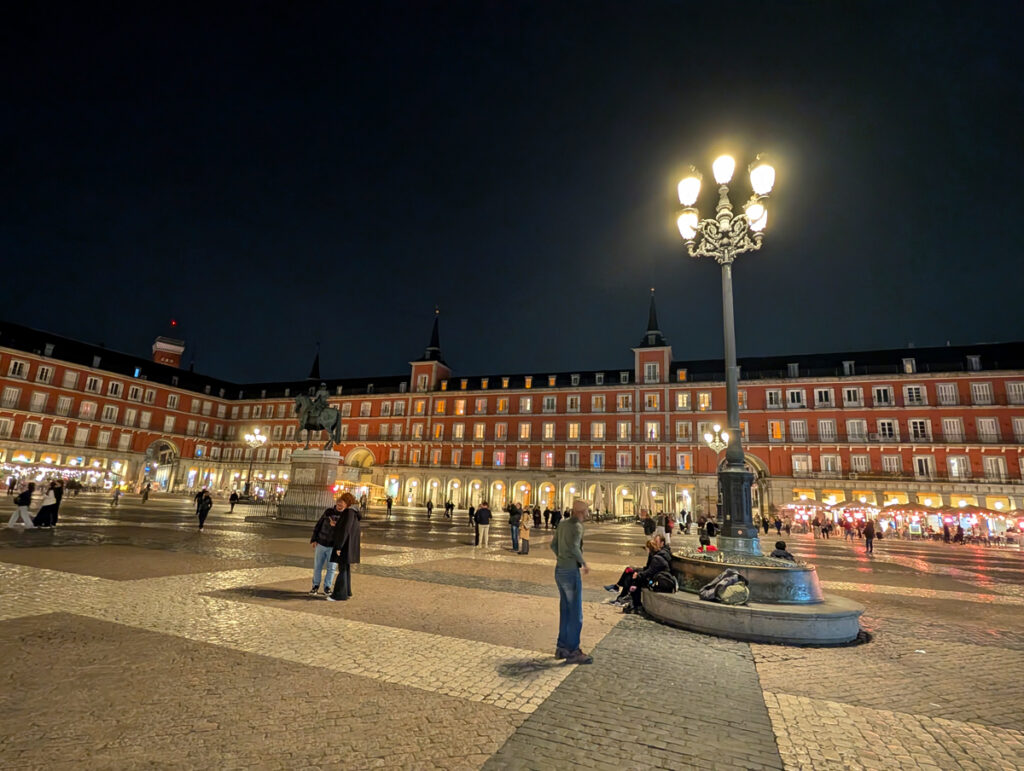
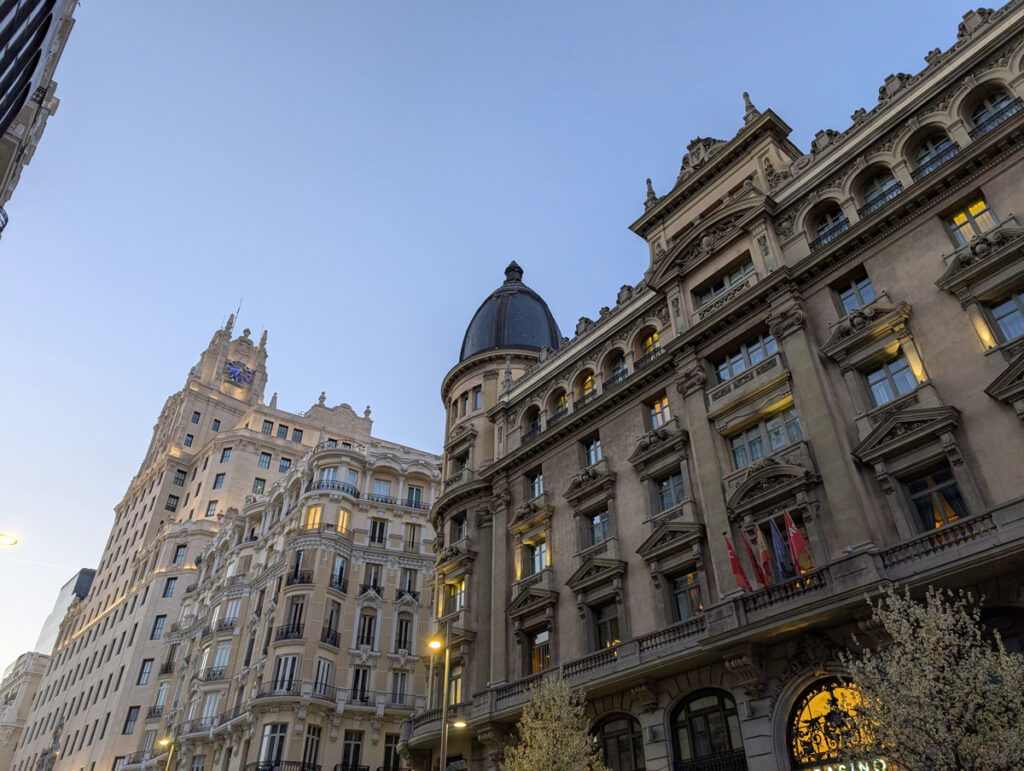
Instead, what makes Madrid so special is the architecture, a mix of styles including Art Deco, Neo-Plateresque, and “Eclecticism”. Madrid is a city of wide boulevards, high buildings and large squares. It’s all very impressive. Off the boulevards are neighbourhoods with quaint bars and restaurants filled with locals. Madrid is also a city of museums, most famous for its big 3 art museums: The Prado, the Thyssen-Bornemisza and the Reina Sofía.
It’s a busy, vibrant and cosmopolitan city with good food. It is Spain’s version of New York. It is also a very walkable city with some large parks.
Madrid is unlike any other city in Spain and should be on every traveller’s list, a place to come for culture and a cosmopolitan vibe.
My Rating: 9 out of 10.
Malaga
Having lived 5 years in Andalusia, we’ve been through Malaga countless times. It’s honestly not our favorite city (a dirty concrete jungle in places).
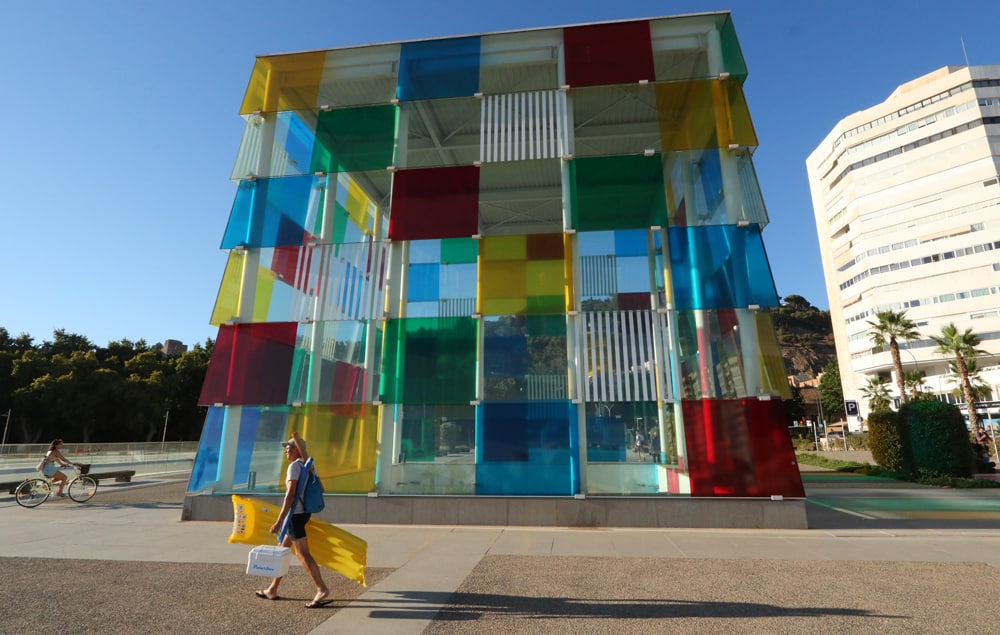
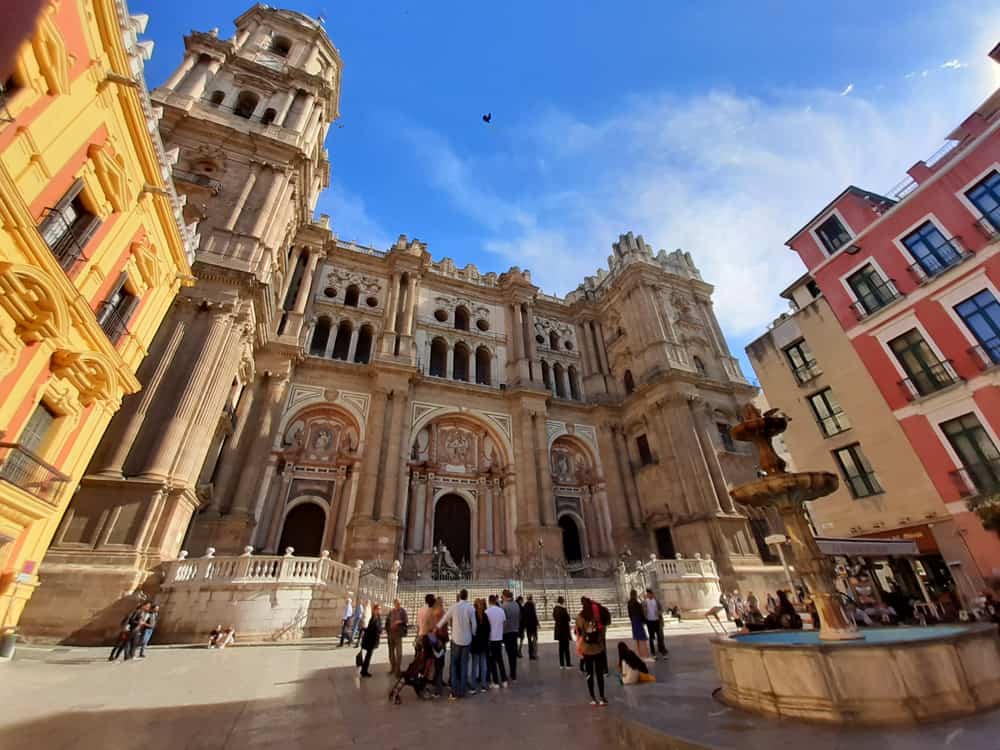
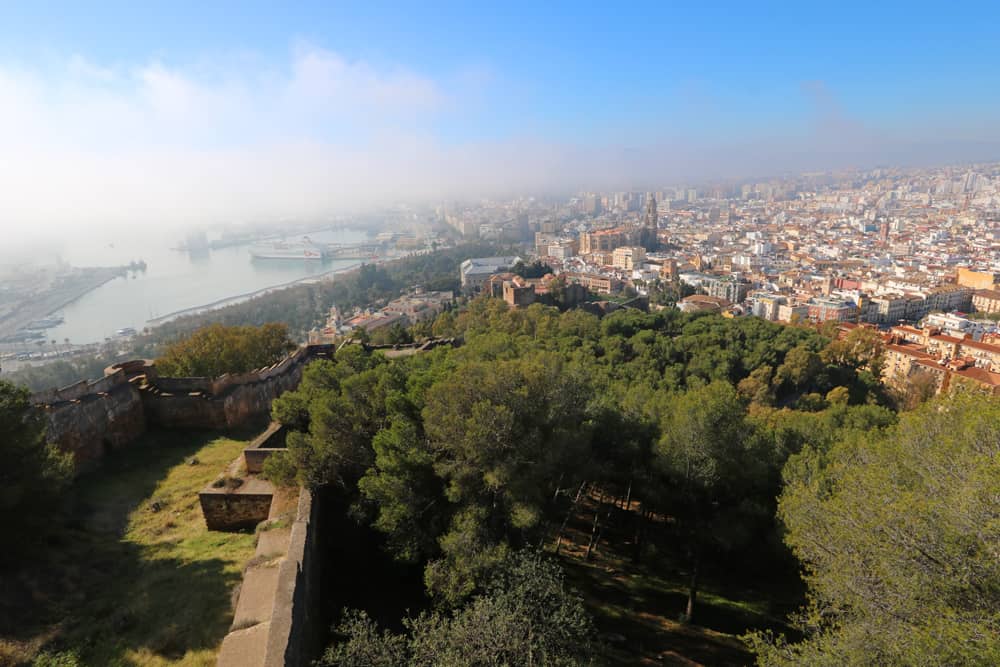
But Malaga has some very impressive highlights dating back to Roman and Moorish periods: the Roman theatre, Alcazaba, Gibralfaro Castle and Malaga Cathedral are all very much worth seeing. The old town is small but attractive and you can visit the Port and beaches. Malaga also has some famous museums including the Picasso Museum (Picasso is one of the most famous people born in Malaga) and the Pompidou Center.
More: Best Things to do in 24 Hours in Malaga
My Rating: 8 out of 10.
Marbella
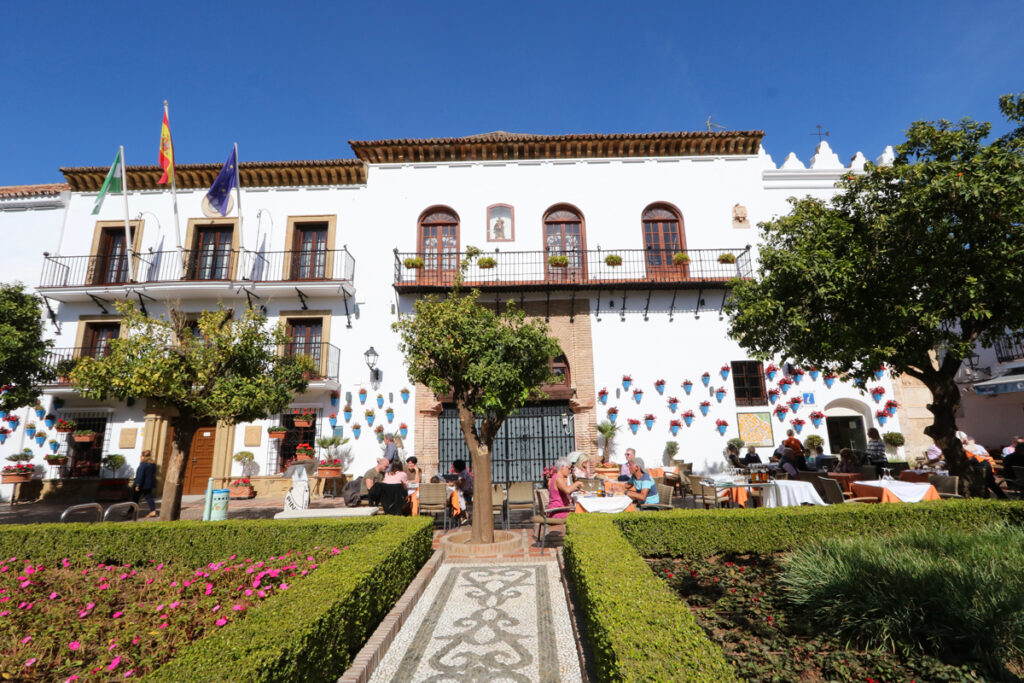
People have preconceived ideas of Marbella as a place exclusively for the rich. That’s wrong, the places they’re picturing are the communities (like tacky Puerto Banus) to the west of Marbella’s city center.
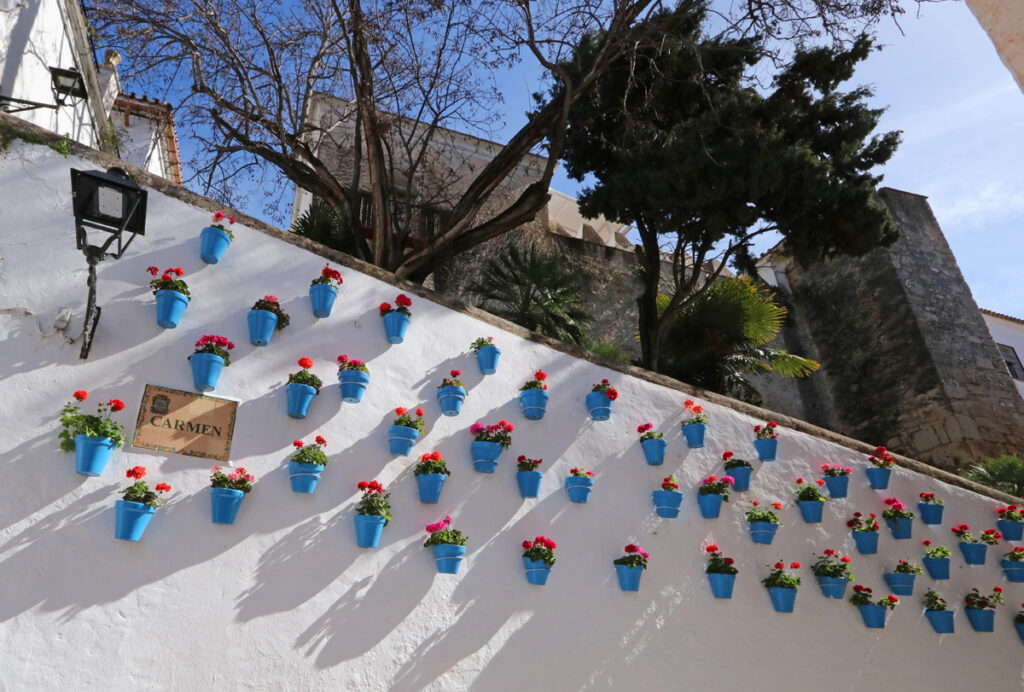
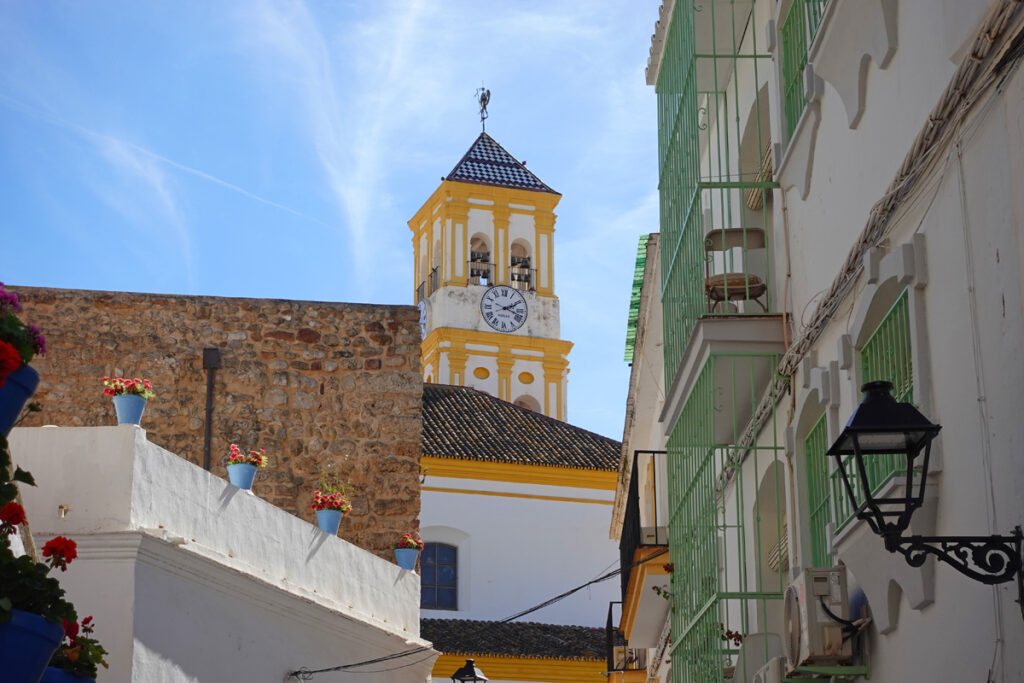
Marbella itself is a lovely city with what I think is the most beautiful old town on the Costa del Sol. You’ll find a beautiful church (Iglesia de Nuestra Señora de la Encarnación), one of the prettiest main squares anywhere (Plaza de los Naranjos) and the remains of an old Moorish fortress (the Alcazaba of Marbella). It’s an old town full of little streets, all decorated with flower pots, religious murals, and intricately decorated cobblestoned pavements. You’ll also find beaches, parks and lots of art.
More: Why you should Visit Marbella (in Photos)
My Rating: 8 out of 10
Murcia
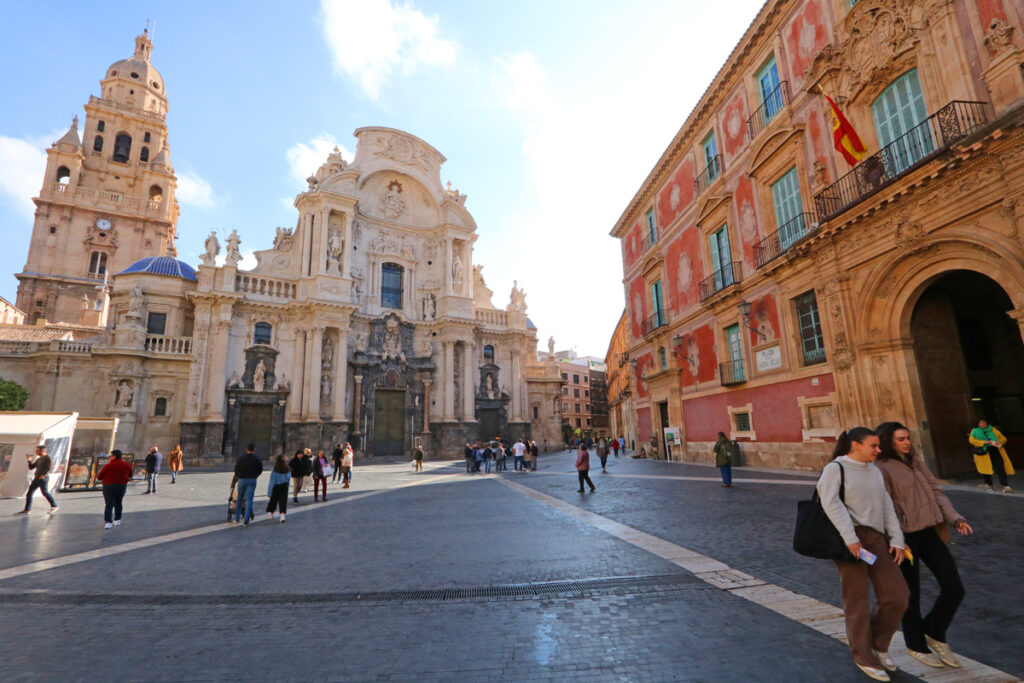
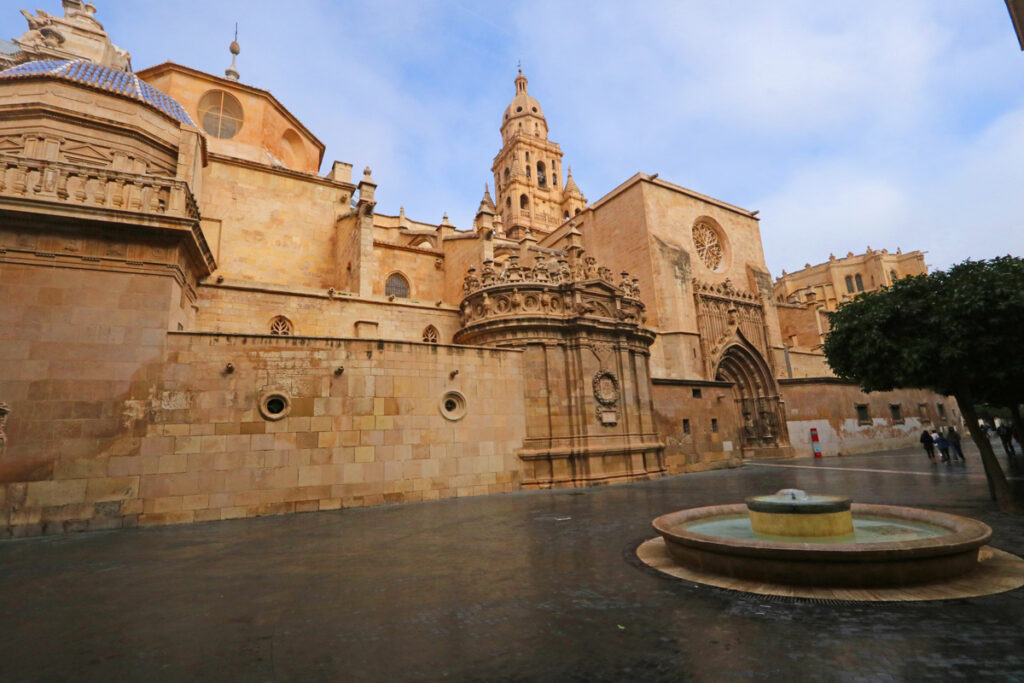
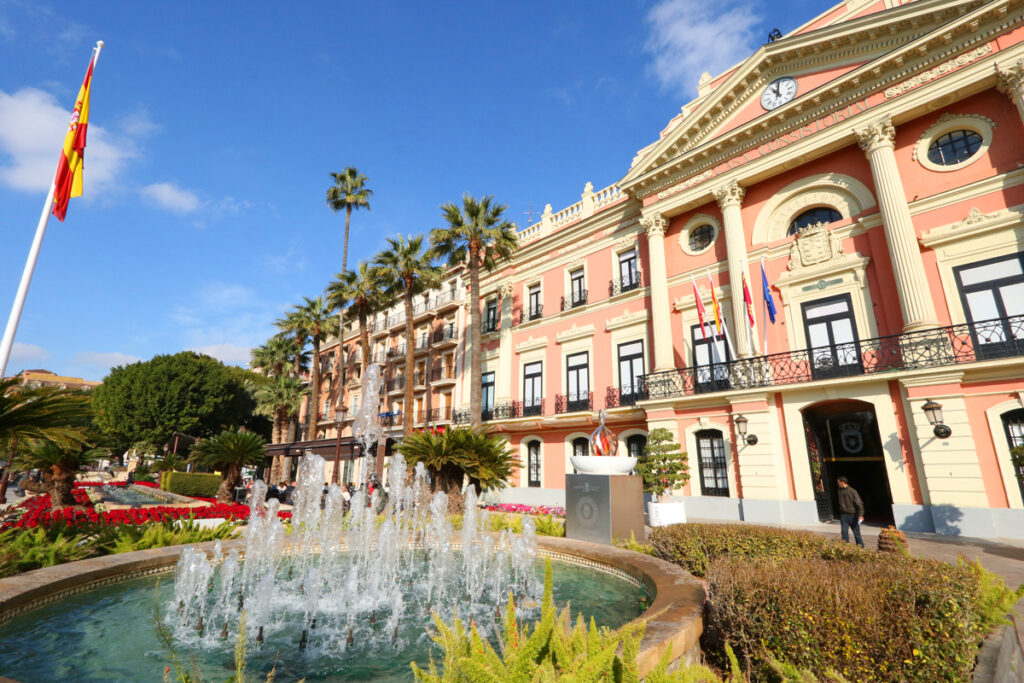
A pleasant city with one of the most beautiful main squares anywhere (Cardinal Belluga Square, where you’ll find Murcia’s impressive cathedral).
There’s more to see in Murcia but more than anything, it’s a pretty, understated city that gets few tourists. Murcia is a university town and there are plenty of restaurants and bars filled with locals. It also has a river with lots of gardens which you can stroll around in.
Murcia doesn’t rank among Spain’s most famous cities but if looking for break somewhere off-the-beaten-path it’s a good option for a few days.
My Rating: 6 out of 10
Spanish cities starting with “R”
Ronda
Ronda is very popular, a mandatory stop for tourists (especially those on tours) clicking off the must-see highlights of Andalusia.
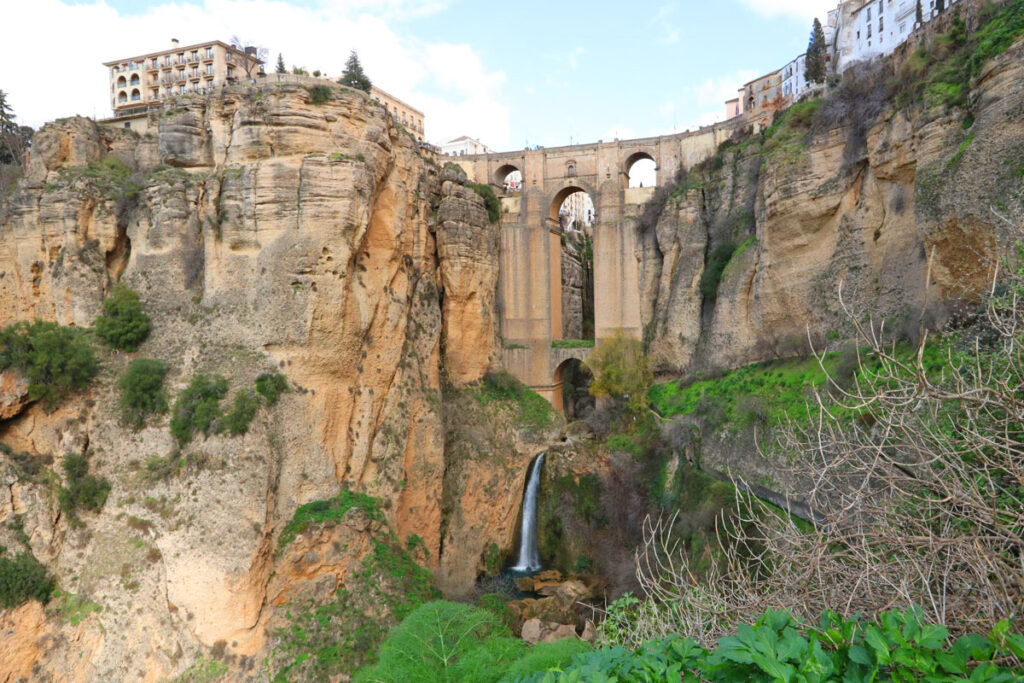
But there’s a reason for Ronda being so popular. The geography is dramatic, the city divided into two parts by a deep gorge. Connecting the two parts of Ronda is the Puente Nuevo, a bridge built in the 1700’s. It was a technological marvel at the time and is still today one of the most recognizable attractions in Spain.
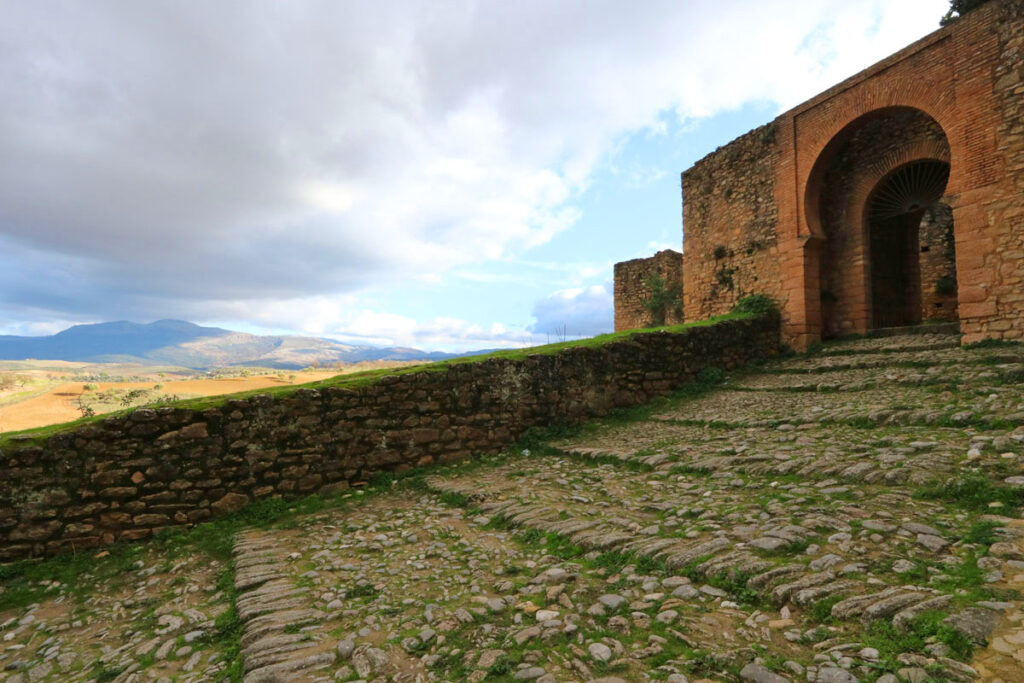
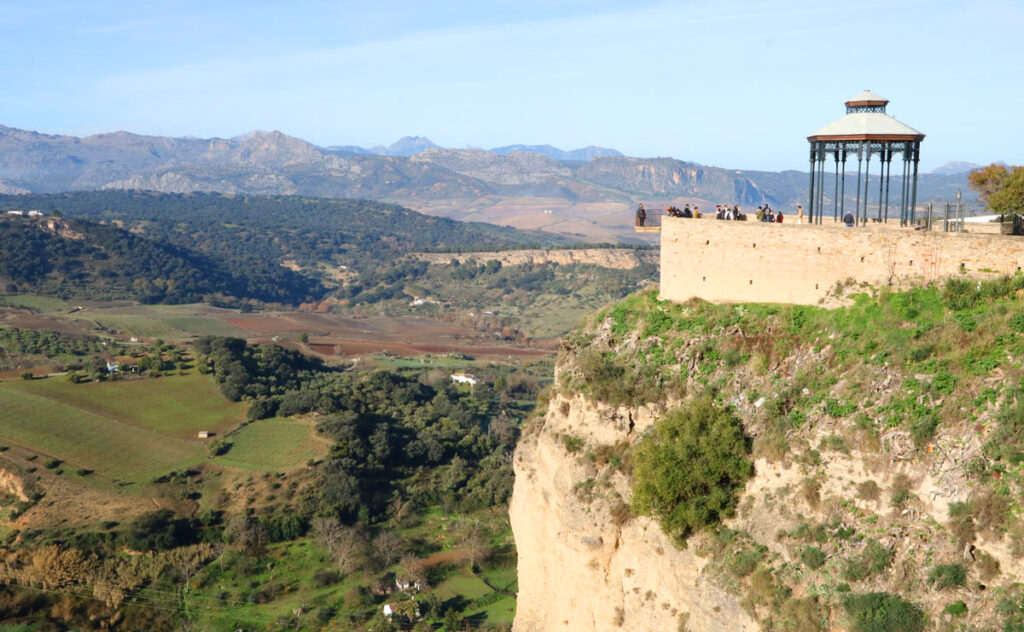
The city looks out, from its high perch, over a valley and mountains below. There are lots of viewpoints all over Ronda where you can admire the views. The city also has a lot of history with Moorish-era walls and baths.
More: A Do-It-Yourself walking tour of Ronda
My Rating: 8 out of 10
Spanish cities starting with “S”
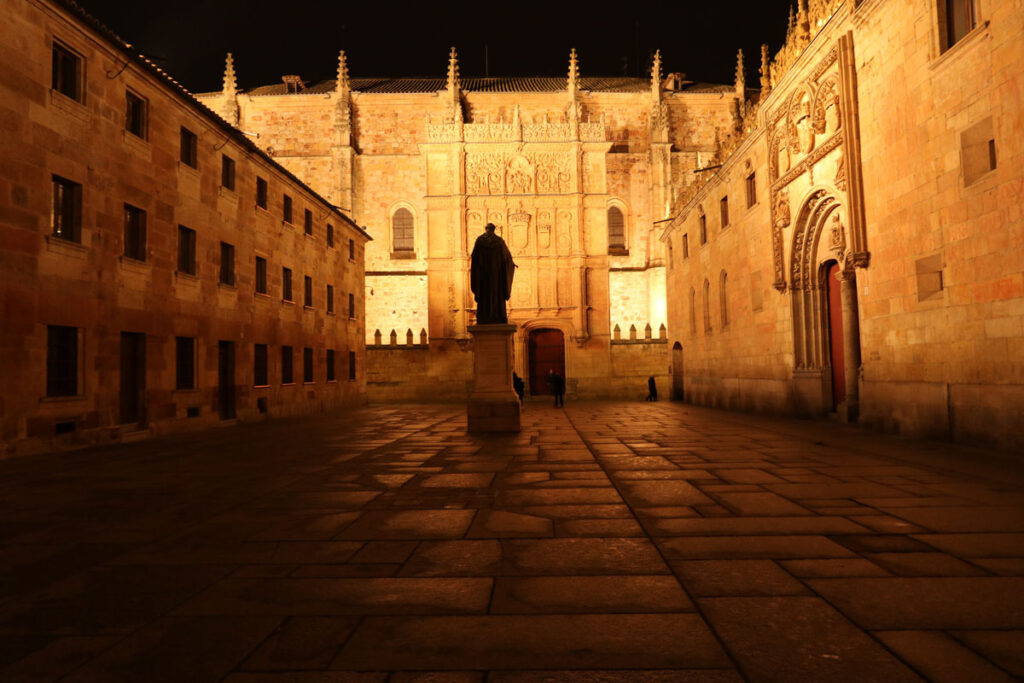
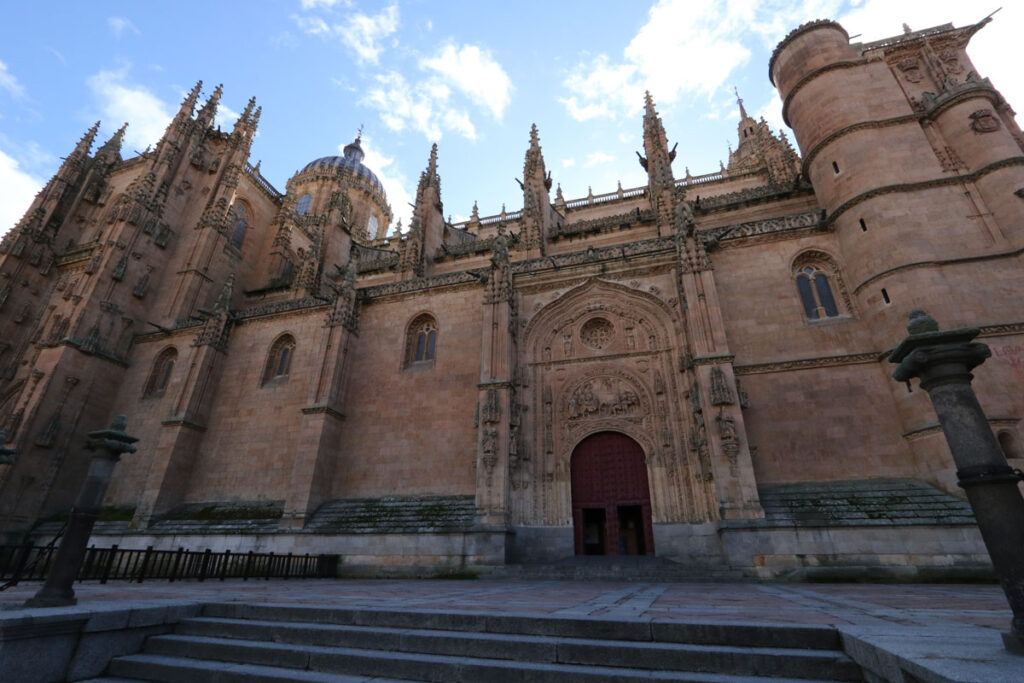
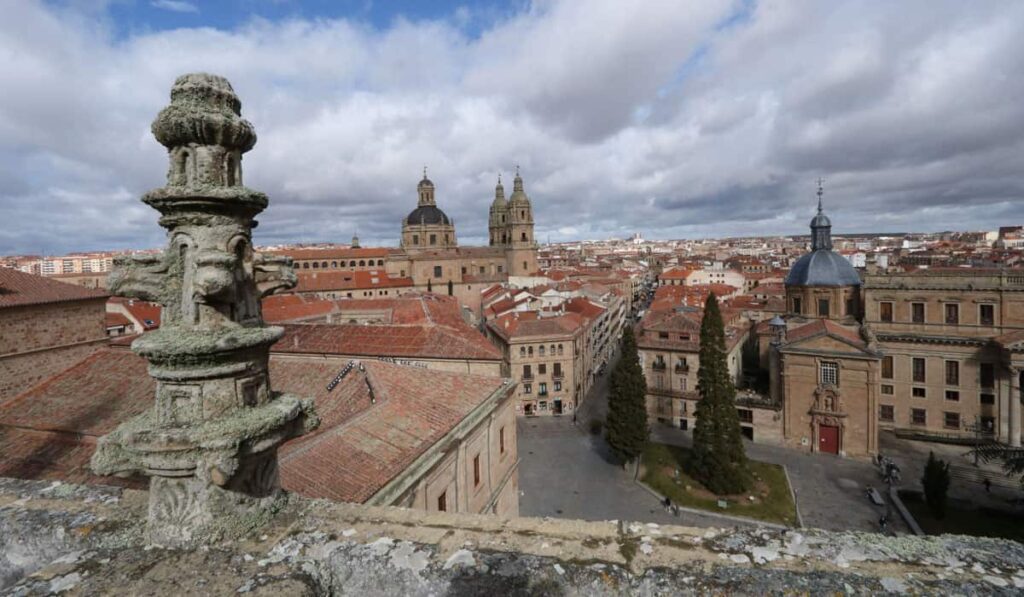
Salamanca
A Unesco World Heritage site, Salamanca is famous for many things. Known as the “Golden city” for the sandstone used in the construction of its buildings, it has the third oldest existing university in the world, two Cathedrals (as well as the Convento de San Esteban), and one of the most beautiful plazas in all of Spain.
It is a city full of large churches, convents and palaces, all located in a beautiful (and very pedestrian-friendly) old town. And, besides all the beauty and attractions, it is a young, lively place with a lot of culture (for those with more time there are several museums in Salamanca worth visiting).
More: Is Salamanca worth visiting?
My Rating: 8 out of 10
Segovia
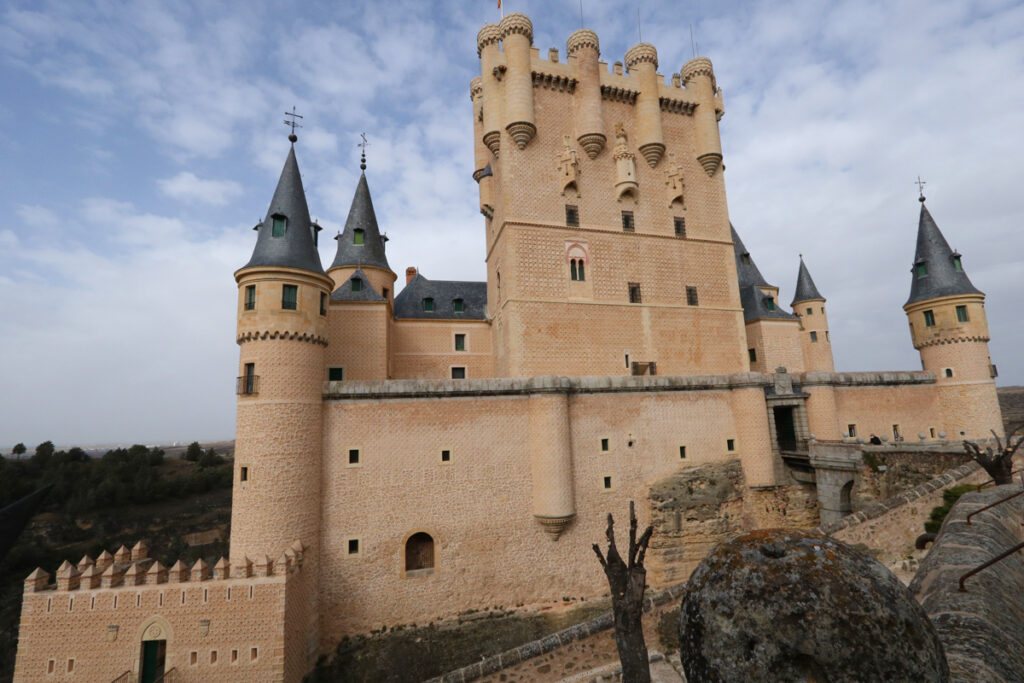
Most people come to Segovia on a daytrip from Madrid. We stayed 2 days and wish we had stayed at least another, that’s how much we loved the city.
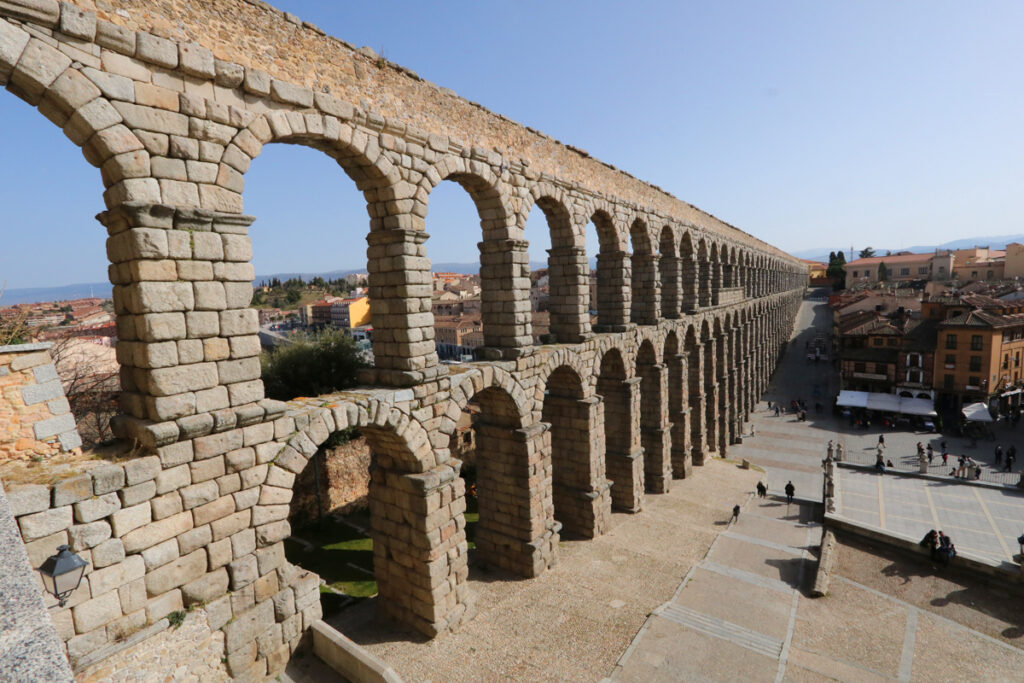
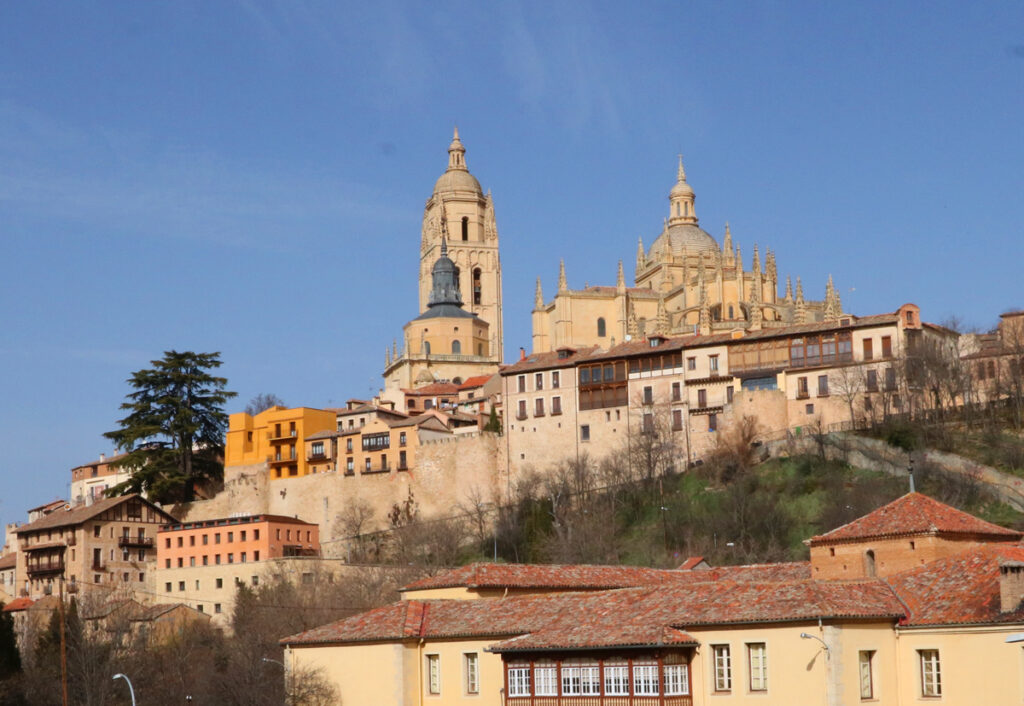
Segovia’s old town is a walled city on a hill looking out over valley and mountains. Within huge, formidable walls lie Segovia’s Alcazar (a huge fortress/palace that served as inspiration for Cinderella’s castle), the Cathedral of Segovia (one of Spain’s Top 10 Cathedrals), and the stupendous Roman Aqueduct (built by the Romans in the 1st century AD, it brought water from the mountains 15 km away). On top of these 3 incredible sites there are palaces, churches, towers, and walks along the medieval walls.
Visiting Segovia is like going back in time.
More: Visiting the magical city of Segovia
My Rating: 9 out of 10
Seville
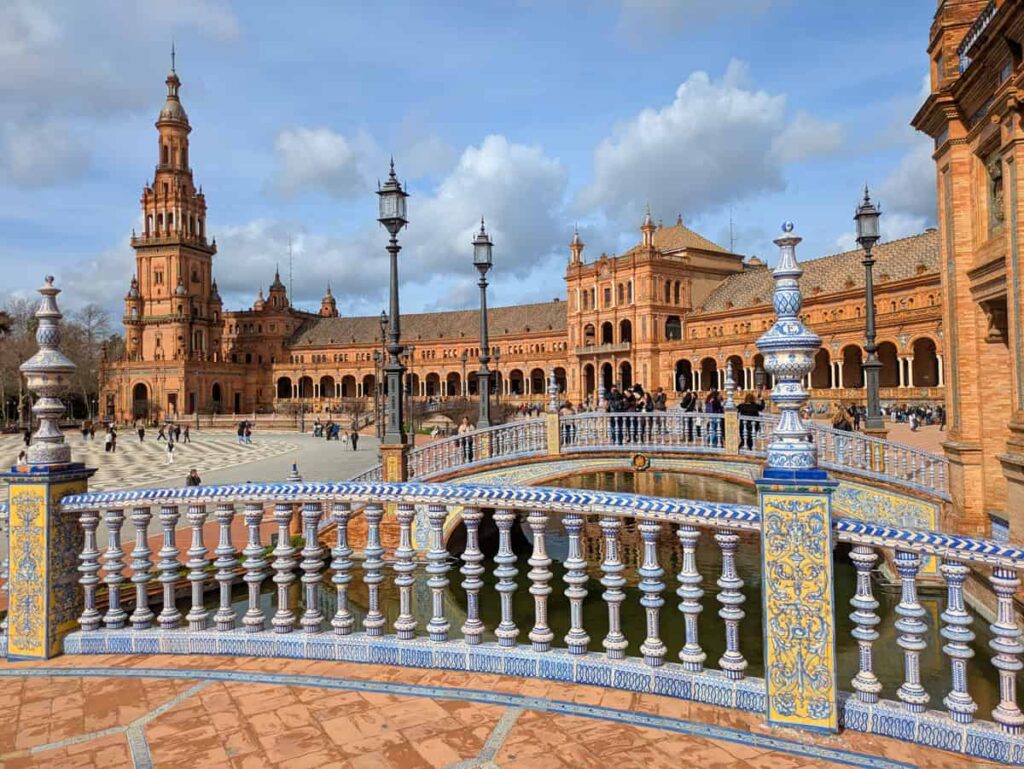
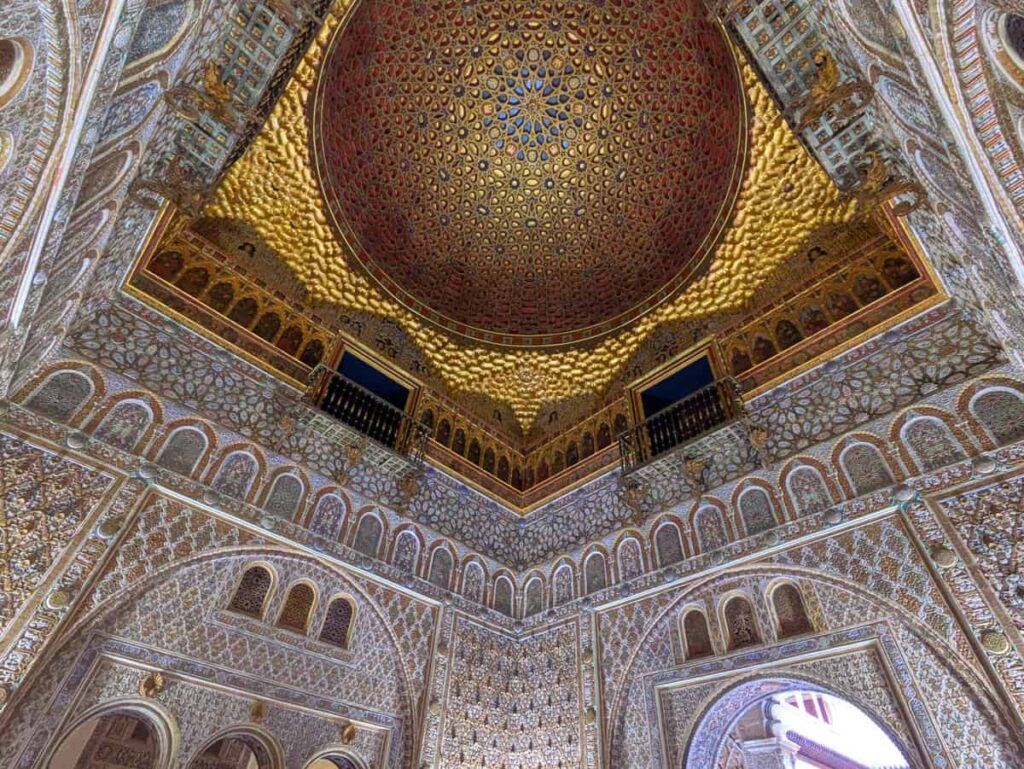
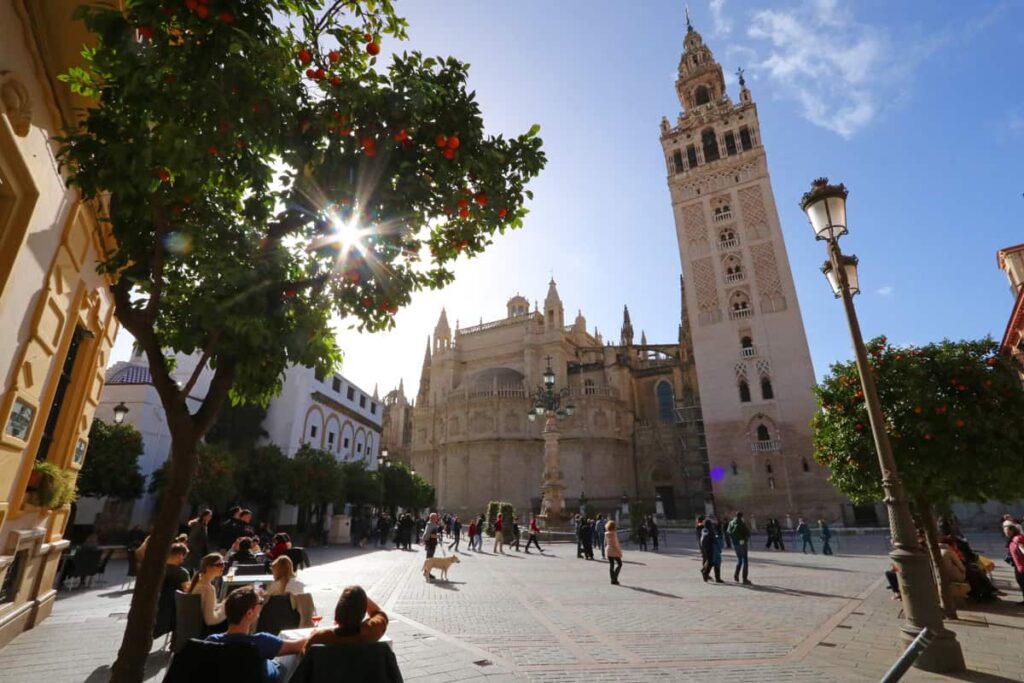
Besides being the most beautiful city in Spain, Seville is one of the most beautiful cities in the world with its colourful streets, tiled murals, cobblestones, and shady plazas and gardens. It is everything you think of when imagining “Andalusia”.
Seville is a stupendous city full of sights. Highlights include the Real Alcázar (a Unesco World Heritage site and a residence of the Spanish Royal family), the Seville Cathedral (the 4th largest Cathedral in the World), and the gorgeous Plaza de España. But there’s so much more including some of the most beautiful palaces in Spain (like Palacio de las Dueñas and Casa de Pilatos).
Much more about Seville: Seeing the highlights of Seville- and saving money!
My Rating: 10 out of 10. There are lots of tourists in Seville but despite that it is a wonderful city to visit.
Spanish cities starting with “T”
Tarragona
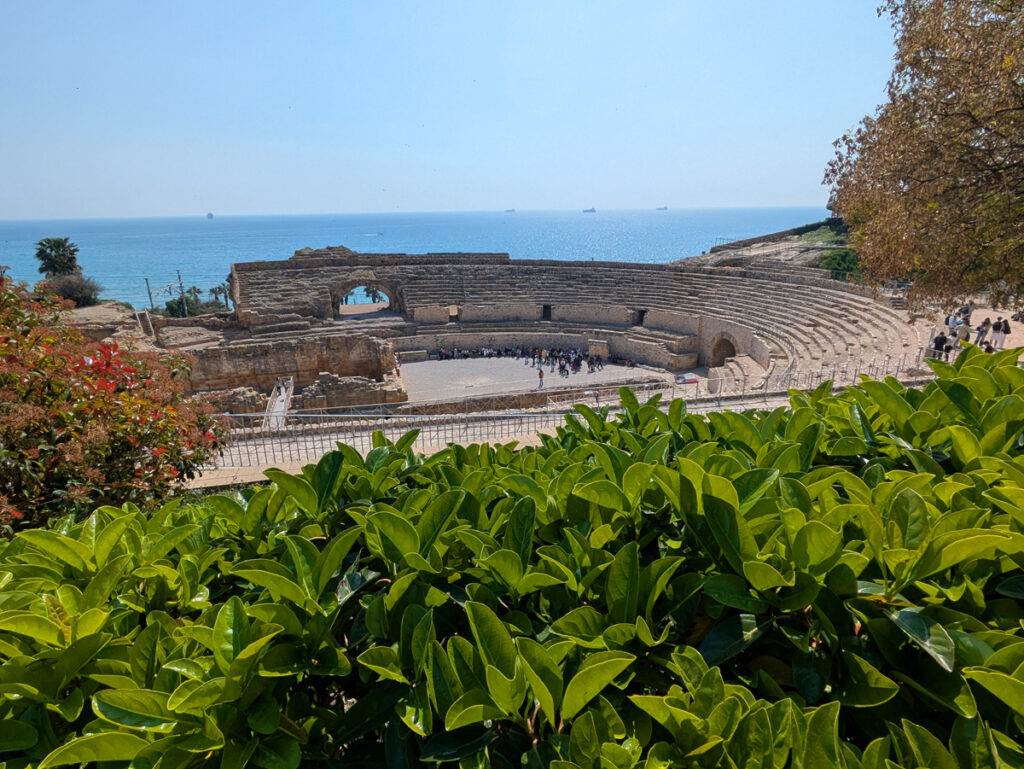
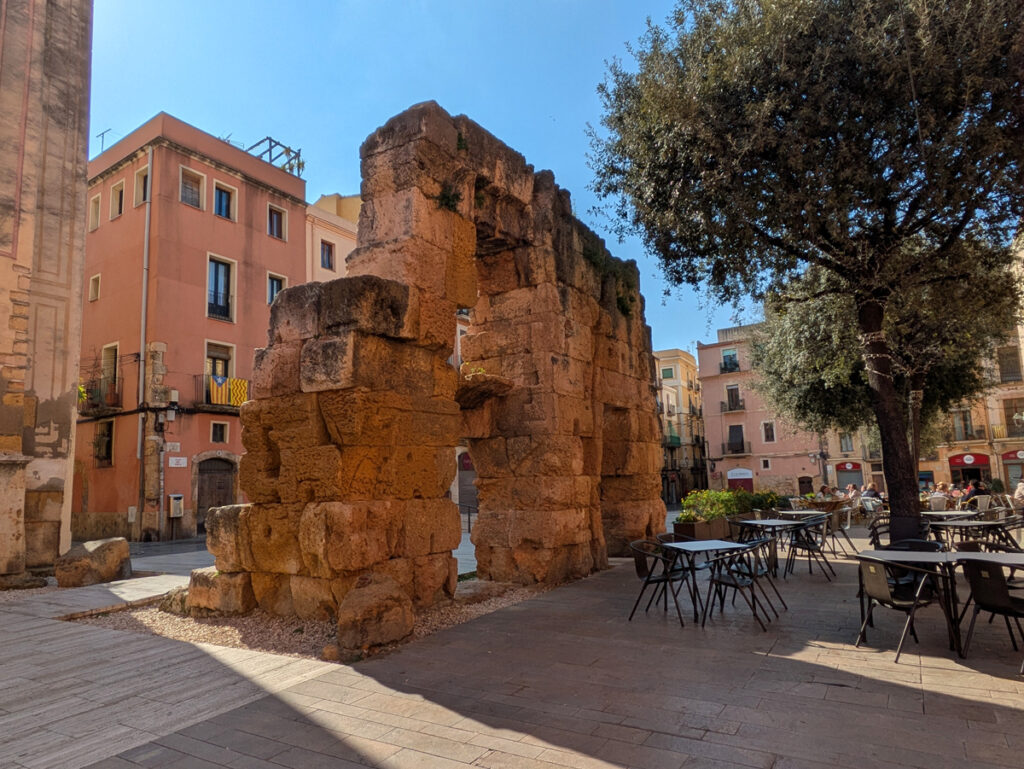
Tarragona was the Roman capital on the Iberian peninsula, known at the time as “Tarraco”. The whole of the city is filled with Roman sites and Roman ruins. Tarragona is one of Spain’s most historic cities and if you’re interested in Roman history it’s a place that should be high on your list.
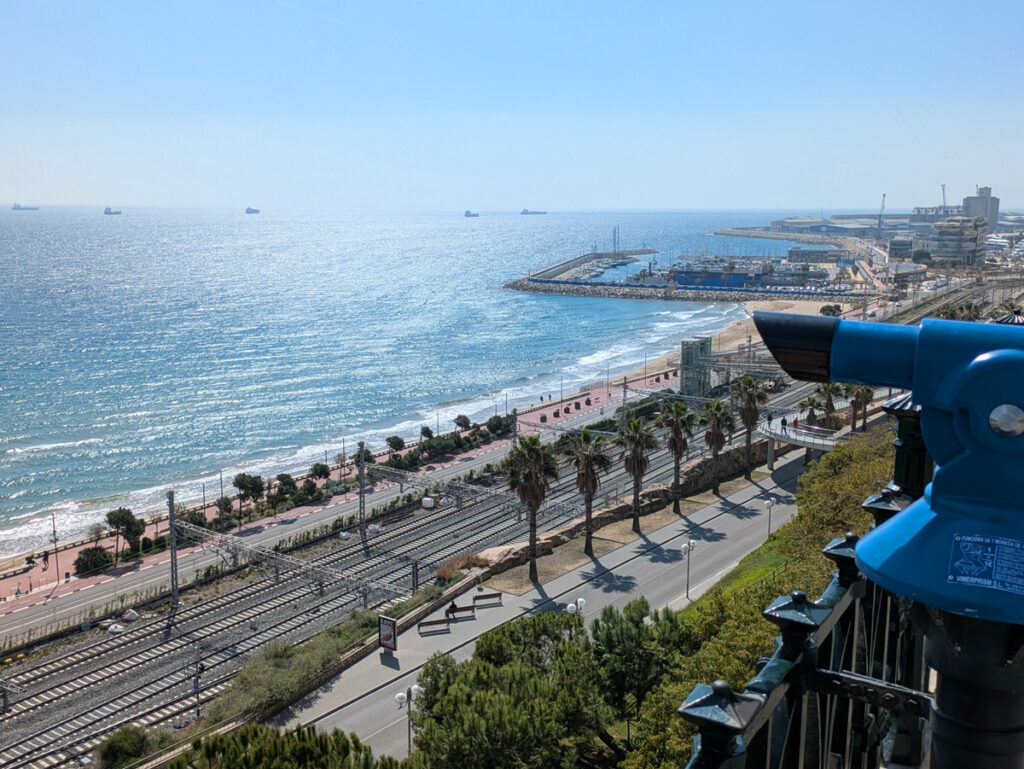
An interesting Upper town, a charming pedestrian promenade (called the Rambla Nova) that leads to views over the Mediterranean. There’s lots to like in Tarragona (and aesthetically, it is much nicer than Cartagena, the other city famous for Roman ruins).
More: What’s Tarragona like? Our Impressions
My Rating: 7 out of 10.
Toledo
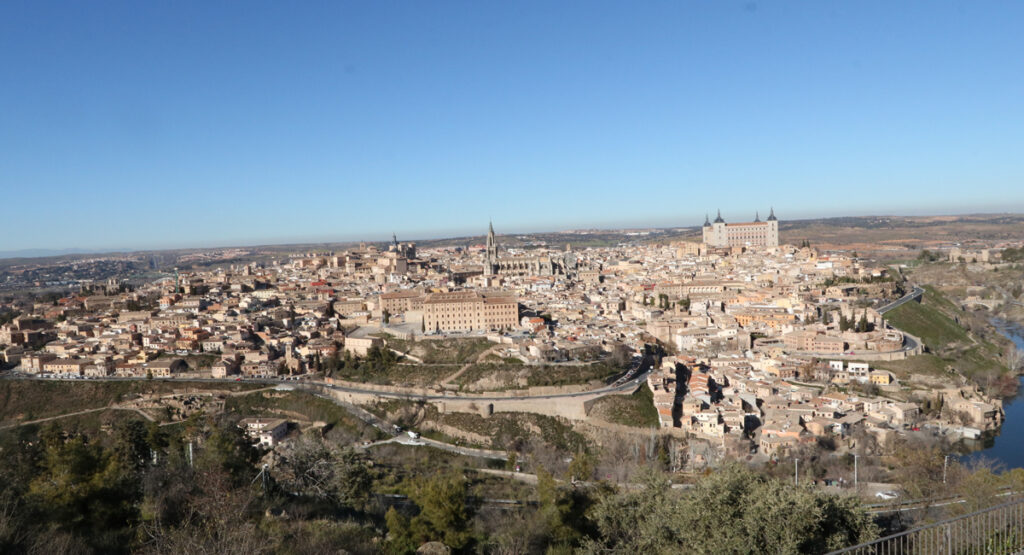
Toledo is a city of incredible history. The Romans, Visigoth (who made it their capital) and Moors controlled. In 1085 the Catholics conquered the city from the Moors and made it the capital of the Spanish Empire. It would be the capital until 1561 when the royal court was moved to Madrid.
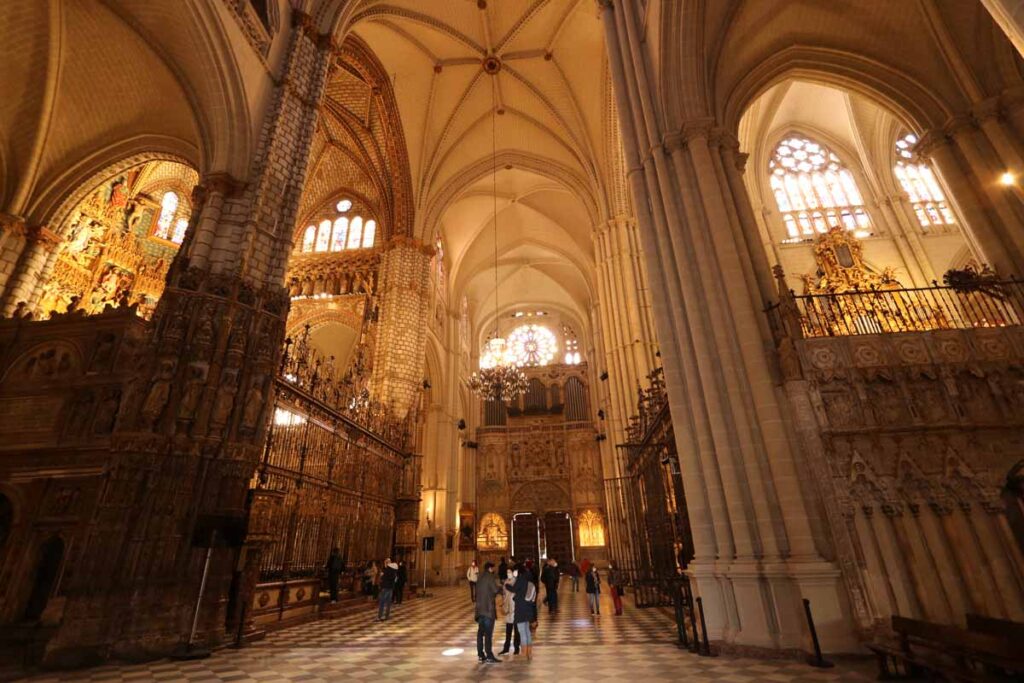
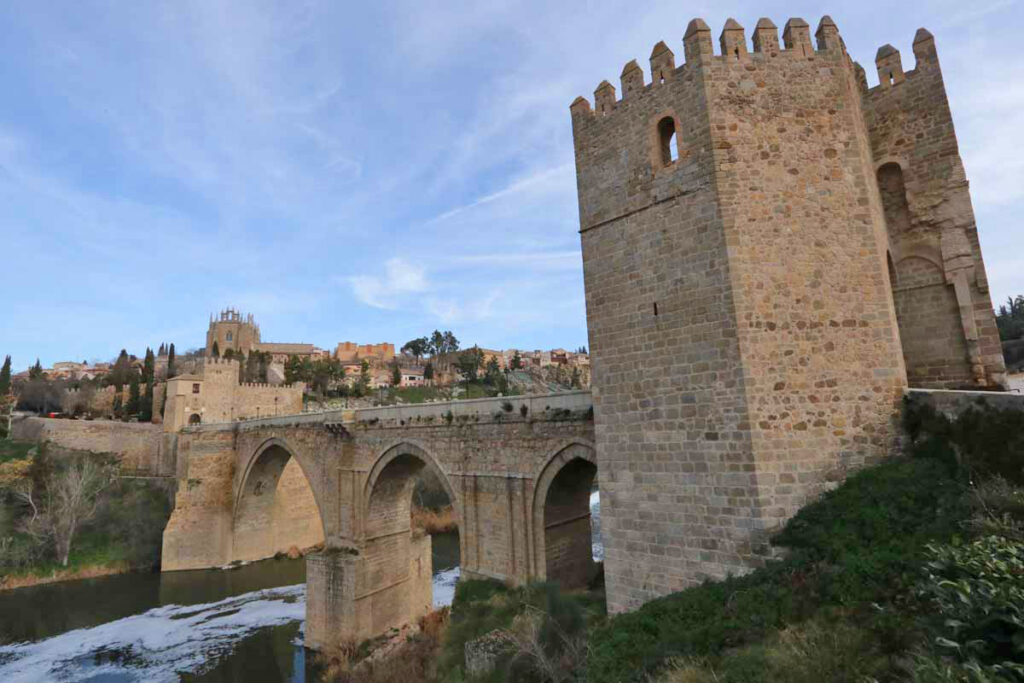
Located on a spectacular spectacular geographical location in a bow of the Tagus river, Toledo has lots to see. The Primada Cathedral dates back to the early 1200’s and is one of the top Cathedrals in Spain. The Monasterio de San Juan de los Reyes was built to commemorate Isabella I taking the throne of the Kingdom of Castile in 1474. The city has ancient synagogues, mosques, palaces as well as medieval walls and bridges. There is lots to see in Toledo.
More: What to see in Toledo (and how to save money)
My Rating: 8 out of 10.
Spanish cities starting with “V”
Valencia
Valencia (Spain’s 3rd largest city) is a beautiful city full of highlights – and is also safe, clean and compact.
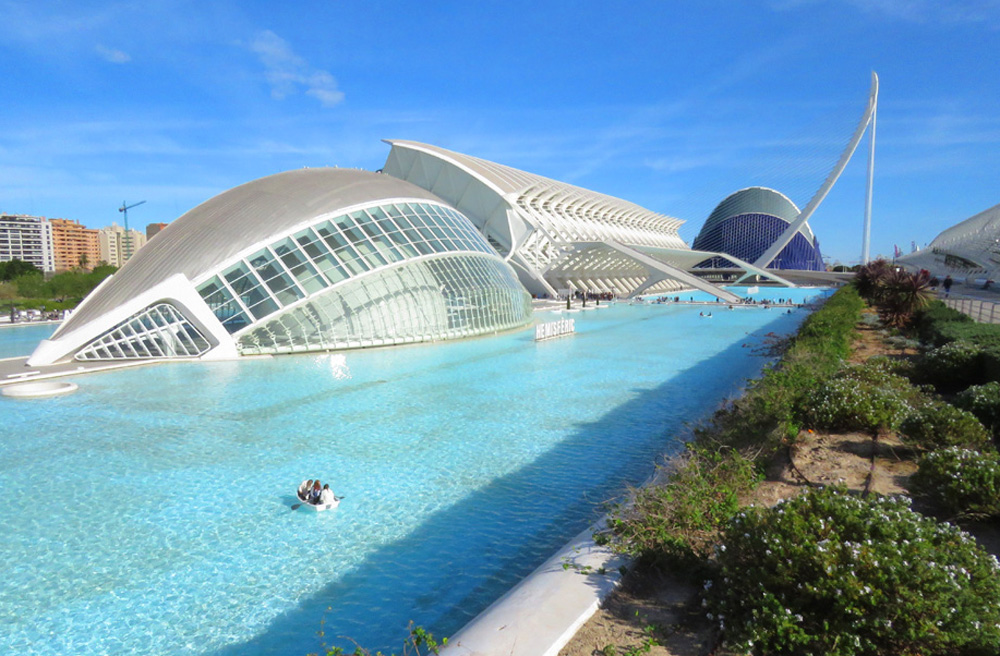
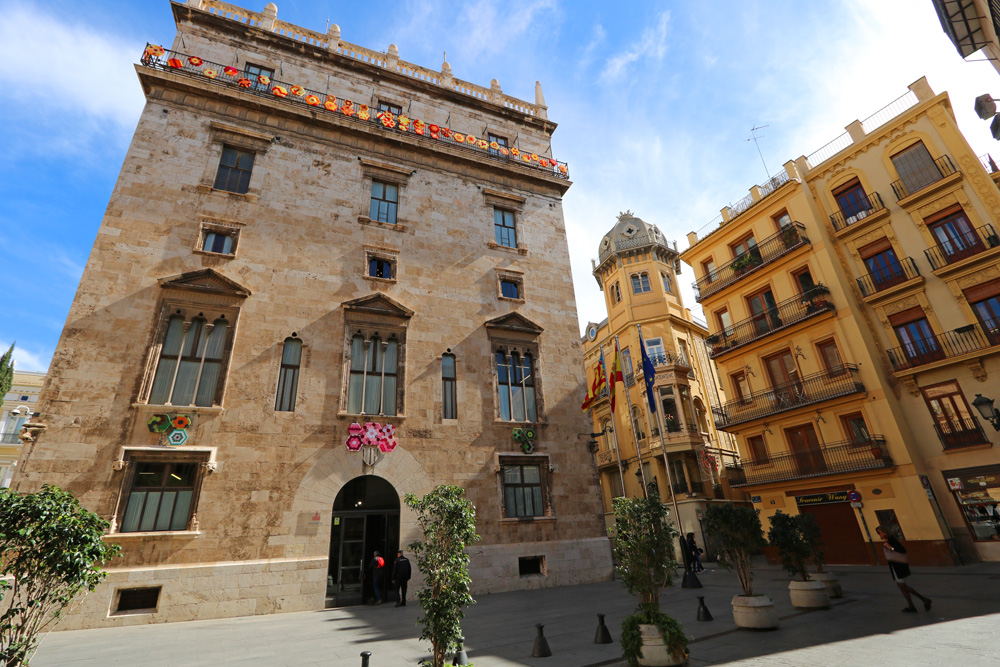
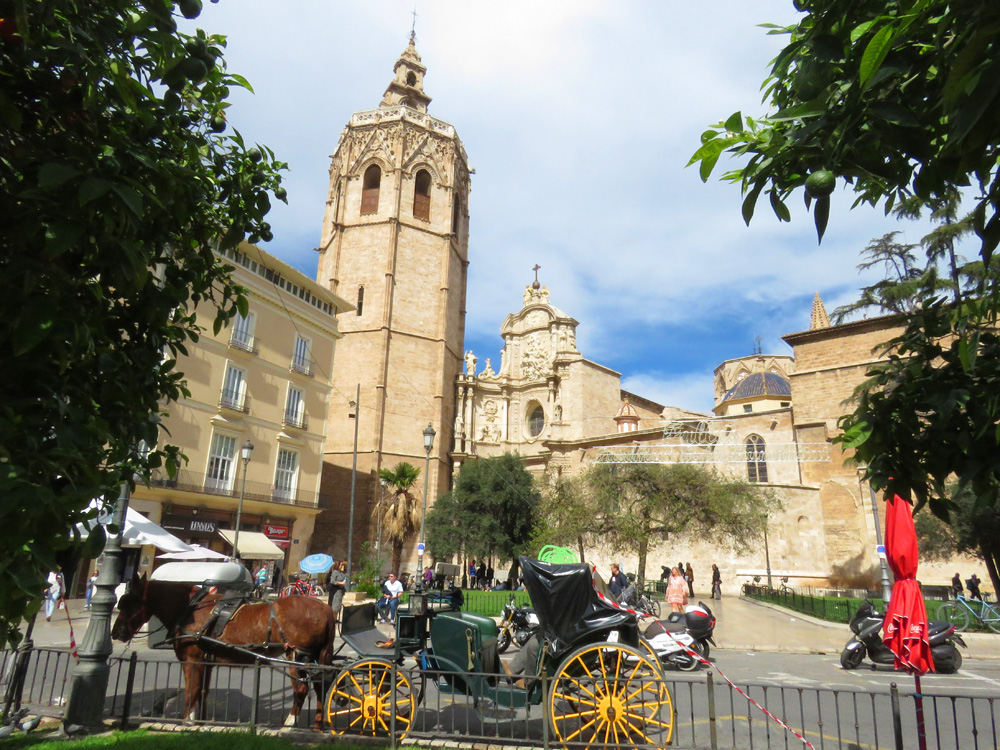
It’s a cultural city with lots of Gothic architecture: Valencia Cathedral, La Lonja de la Seda (the medieval silk market, now a UNESCO World Heritage site), the ‘Torres de Serranos’ and ‘Torres de Quart’, the towers that protected the city from intruders. Valencia also has some of Spain’s most beautiful modern architecture, best exemplified by the City of Arts and Sciences complex (which includes Valencia’s aquarium, one of the best aquariums in Spain). It has a city park, the Turia, a 9.8 km park that winds through the city center as well as a Central market considered among the best food markets in all of Europe (if you didn’t know, Valencia is home to Paella). Lots more to see including the unique ceramics museum (located in an incredible building), the Plaza de Toros, and one of the most beautiful train stations in Spain.
A great city (we almost ended up moving there) that is definitely worth a visit.
More: Valencia (and its highlights) in Photos
My Rating: 8 out of 10.
Vélez-Málaga
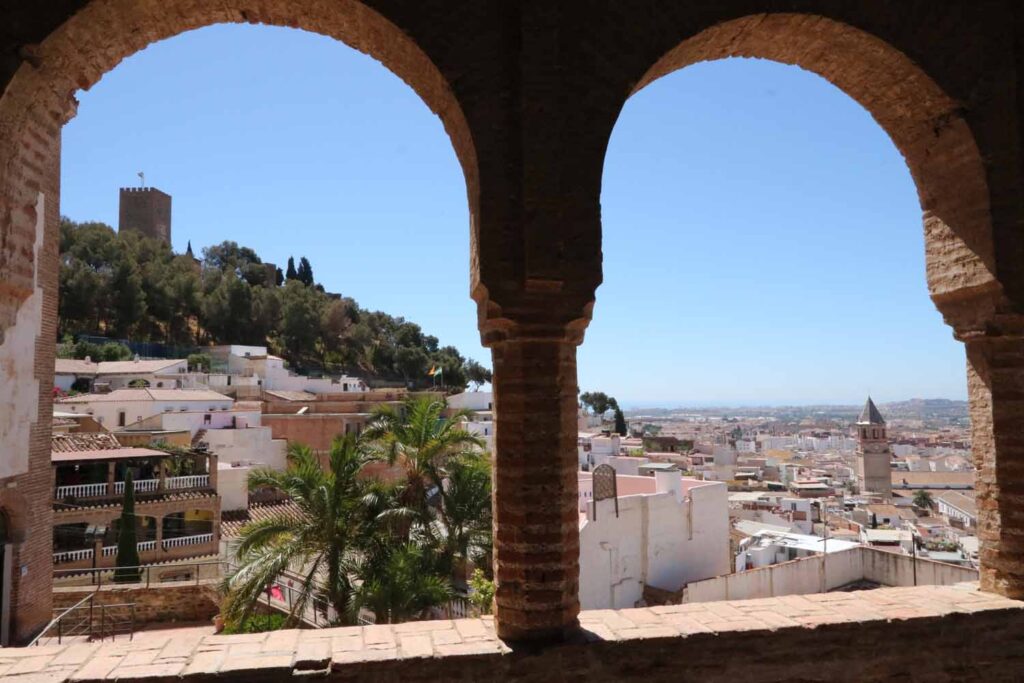
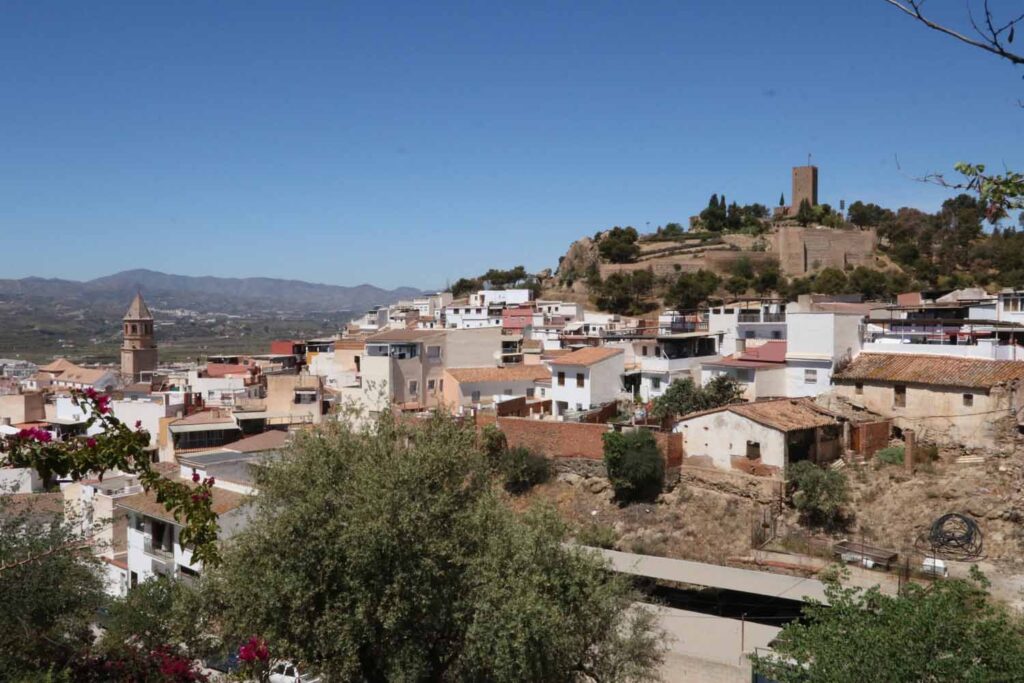
Most people have never heard of Vélez-Málaga (about 30 minutes east of the city of Malaga). It’s a shame because the city has lots of sites of interest: the remains of a fortress looming over the city, old city walls, lots of churches as well as some spectacular viewpoints.
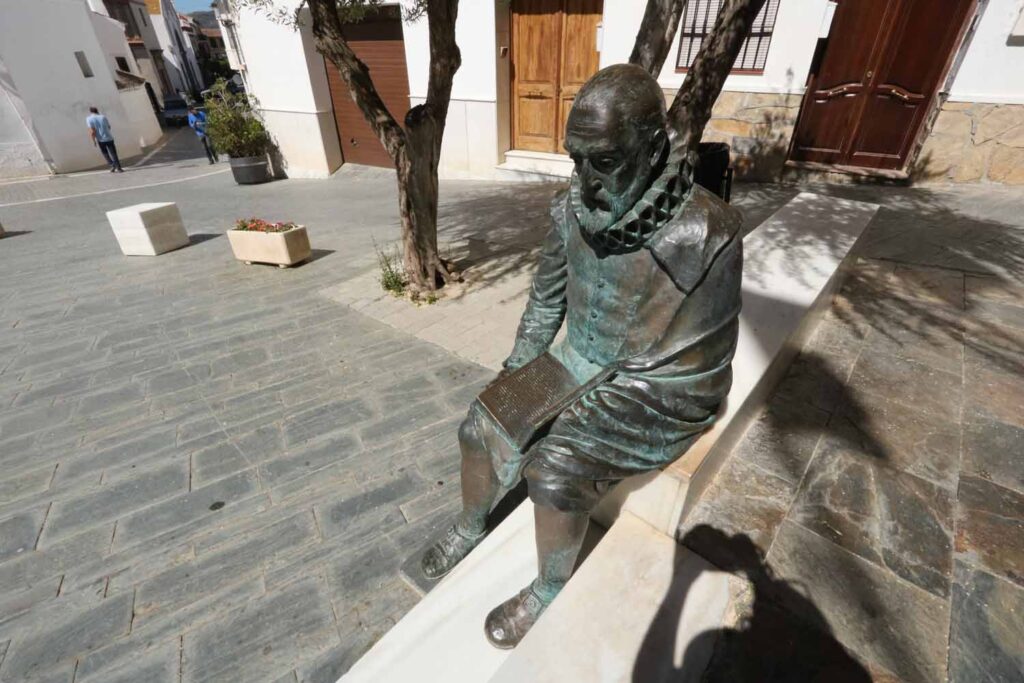
Miguel de Cervantes, the most famous Spanish writer, lived in Vélez-Málaga in 1594 and his former home is now a (free) museum where you can learn about the writer.
Overall, Vélez-Málaga is an interesting city worth a visit if you’re in the area.
More: 30 Photos that will make you want to visit Vélez-Málaga
My Rating: 6 out of 10.
Spanish cities starting with “Z”
Zaragoza
Zaragoza is the 5th largest city in Spain. and the capital of the autonomous region of Aragón. It was an early Roman city (25 BC – 11 BC) that was later ruled by the Visigoths (5th century AD) and the Moors (8th century). It eventually became an independent Muslim Kingdom when the Caliphate of Cordoba was conquered by Catholic forces in 1018. In 1118 AD, Zaragoza fell to Catholic forces (led by Alfonso I).
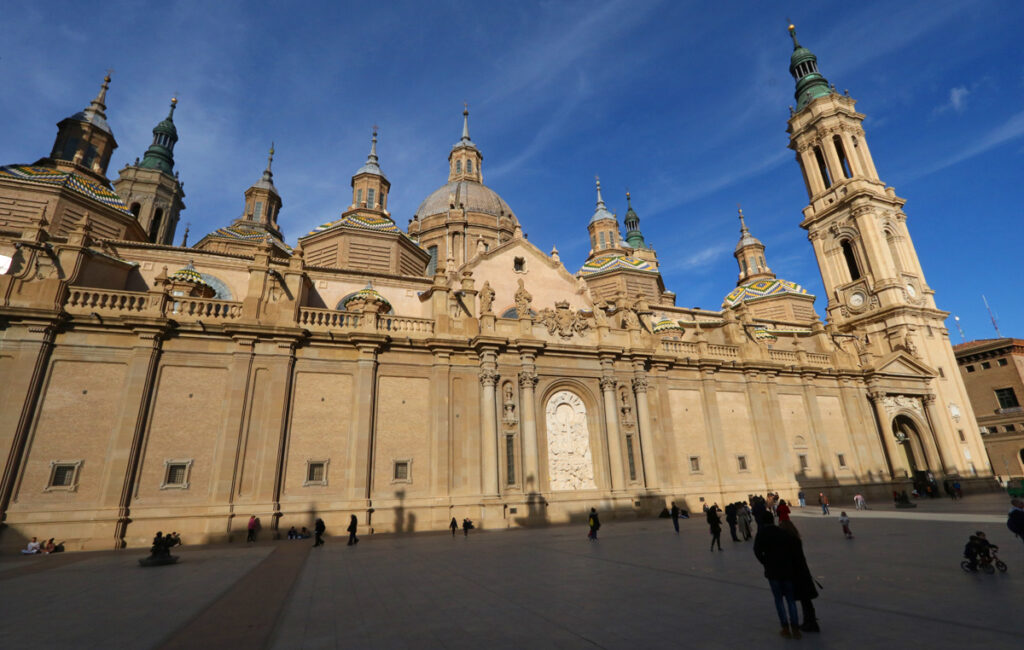
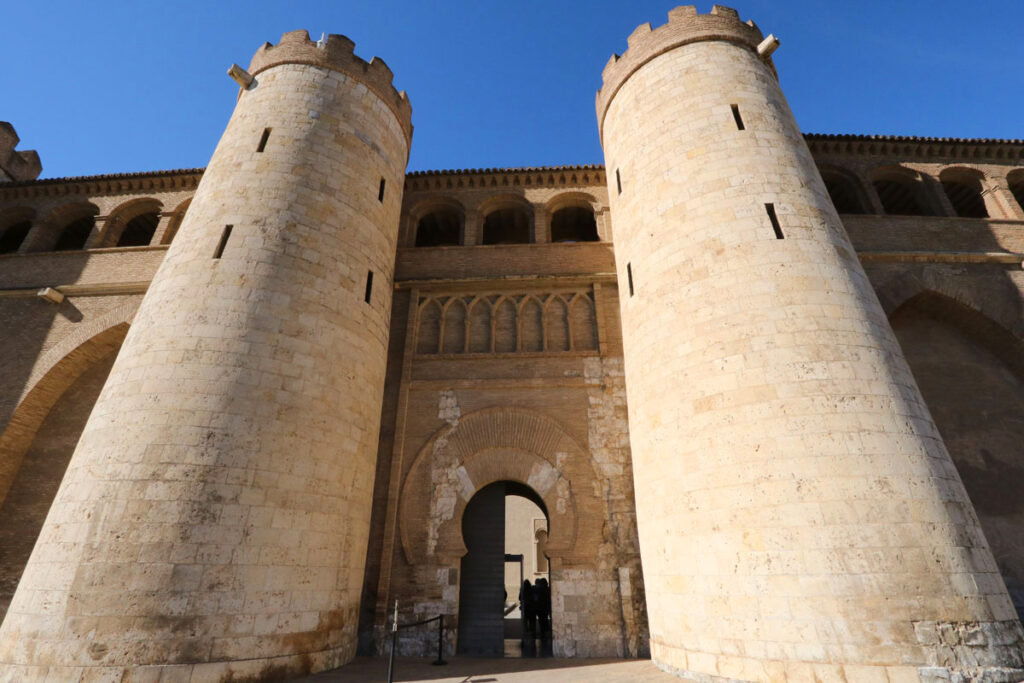
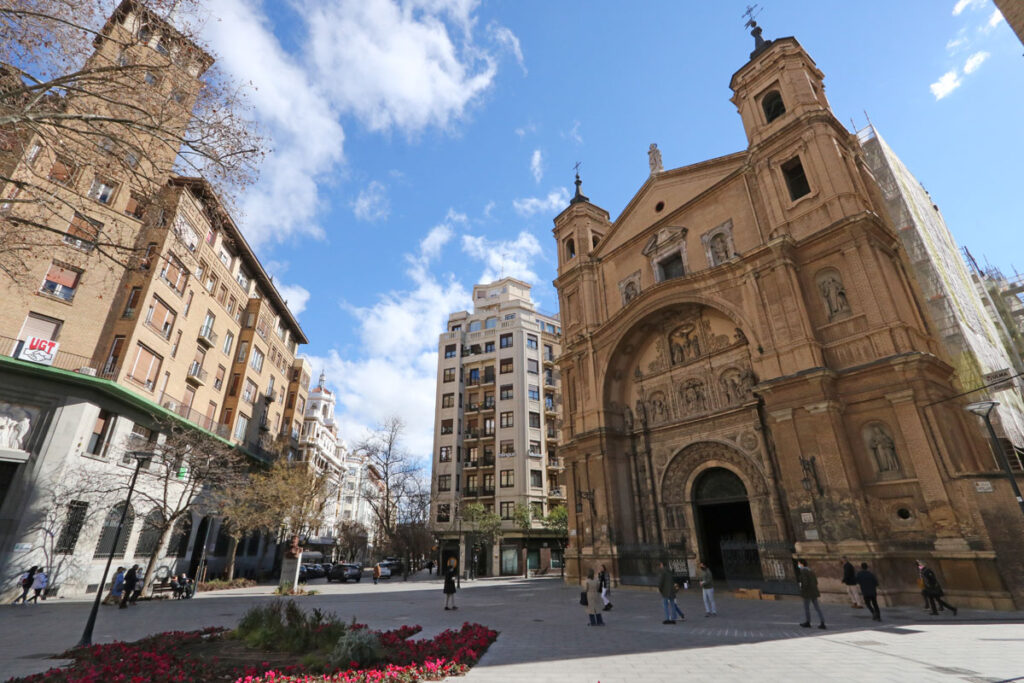
With all that history there is lots to see in Zaragoza. The city actually has 2 Cathedrals: Basílica de Nuestra Señora del Pilar (considered one of Spain’s best Cathedrals) and Salvador Cathedral (also named La Seo). The Aljafería Palace dates back to Moorish times and is visually striking. You also have lots of churches, large squares, a stone bridge dating back to the 1400’s and lots of museums (including the Goya museum. Francisco Goya was born in nearby Fuendetodos).
Overall, Zaragoza has lots going on and is a young, happening city.
More: What to See in Zaragoza (and why you should visit)
My Rating: 7 out of 10.
Summarizing my ratings of Spain’s Cities (as places to Visit)
Again, this is subjective. But here are how our ratings of the Spanish cities sum up.
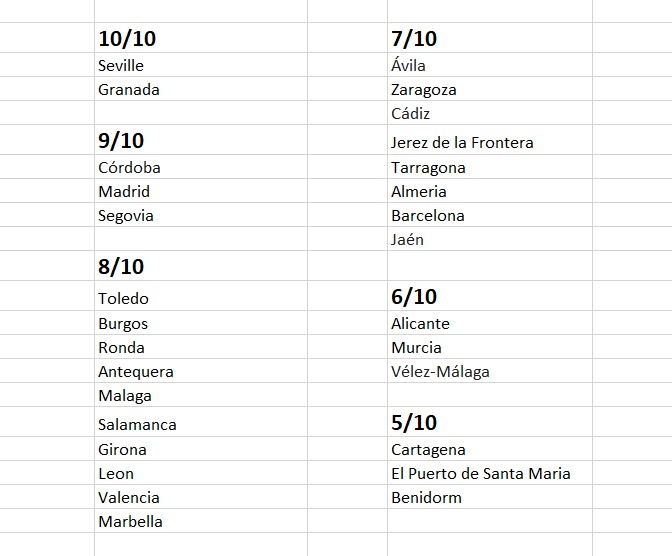
What do you agree with? What do you disagree with?
Related: The Best Paradors in Spain
Related: A Travel Agent’s guide to the Best of Spain



Hello! I’d also be curious to see what you think of the northern cities 🙂 But also Logroño…Thank you! ~Chris
We’ll update this when we visit the north 🙂
So far we have Malaga, Cartagena, Murcia and El Puerto/Cadiz, Granada under our belts apart from Granada (which will always have our hearts) none of the others have rocked our boats as yet. Onwards and upwards. Thank you as always.
HI Anna. Great to know you’re in agreement with our ratings!
Um… not too much in the north or north west..?
As I say in the post, we haven’t explored them all. We’ll be updating the north in the autumn, will update this post as we see more cities.
I would put Valencia higher and Cordoba lower (outside of the Mezquita I don’t find the city that spectacular). Otherwise mostly agree, although I have only been to half or less of these cities.
Thanks RJA. It’s so subjective: I’ve had others tell me that Cordoba should be higher and Valencia lower. The Mezquita though: as I say, still the most spectacular thing I’ve seen in Spain so I really think it is a must-see destination. That’s the main reason it gets a 9, but you also have Almodovar castle and Medina Azahara…so there’s lots of important sites of interest both in and around Cordoba.
I’ve been to 8 of them and agree with all but 1. I know what you mean about Barcelona’s over-tourism but it has so many fabulous sites to see, and an awesome nightlife if you know where to look. We love the city!
Thanks Frank, excellent guide for helping people decide where to visit!
Thank you Kevin, very much appreciate. Yes, I didn’t think I’d have people agreeing on Barcelona 🙂